Brake Inspection: What Does a Mechanic Actually Check?
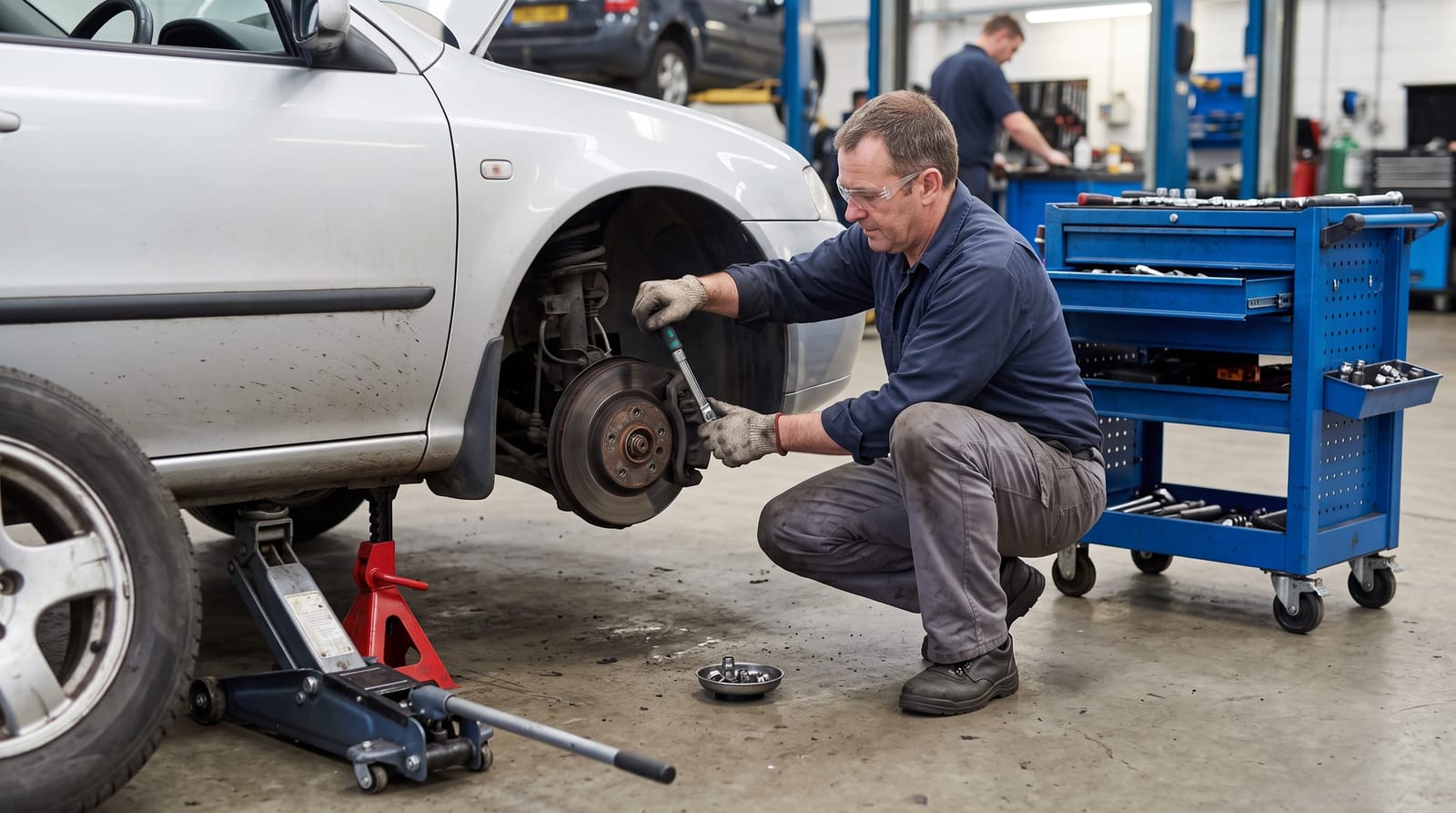
When you drop your vehicle off for a brake inspection in Fort Lupton, CO, you might wonder exactly what a technician is looking at under there. It can feel like a black box: your car goes in, someone pokes around, and you get a report. But brake inspections follow a clear, systematic process, and understanding what's being checked helps you ask better questions and make more informed decisions about your vehicle's safety. Here's a detailed look at what a comprehensive brake inspection actually covers.
Why a Thorough Brake Inspection Matters
Your brake system is made up of dozens of interconnected components, and a failure in any one of them can compromise your ability to stop safely. A surface-level glance at brake pad thickness misses the bigger picture. A professional inspection examines the entire system, from the fluid in your master cylinder to the condition of the hardware holding your calipers in place.
At Central Truck & Diesel Service (CTDS) in Fort Lupton, certified technicians perform a thorough 16-point inspection with every brake service visit. That number isn't arbitrary: each of those 16 points represents a specific component or measurement that contributes to the overall reliability and safety of your braking system. Whether you're driving a personal sedan or a heavy-duty work truck serving Weld County, the inspection process covers the same critical ground.
Understanding this process also protects you as a vehicle owner. When you know what should be checked, you can verify that the inspection was actually performed and understand why a technician might recommend a specific repair.
The Core Components Checked During a Brake Inspection
Brake Pad Thickness
Pad thickness is usually the first thing people think of, and for good reason: worn pads are the most common brake issue. Technicians measure pad thickness in millimeters. New brake pads typically start at around 10-12mm of friction material. Most manufacturers recommend replacement when pads reach 3mm, and many technicians flag anything under 4mm as approaching the service threshold. At 2mm or less, stopping distances increase significantly, and metal-on-metal contact with the rotor becomes a serious risk.
A technician will check pad thickness on all four wheels, since front and rear pads wear at different rates. Front brakes typically handle 70-80% of a vehicle's stopping force, so they usually wear faster.
Rotor Condition
Rotors aren't just checked for thickness: their surface condition matters just as much. A technician looks for:
- Scoring and grooves: Deep grooves from metal-on-metal contact reduce braking efficiency and can shorten the life of new pads.
- Hot spots and glazing: Uneven heat distribution causes hard spots on the rotor surface, which often shows up as steering wheel vibration or pulsation when braking.
- Minimum thickness (discard thickness): Every rotor has a stamped minimum thickness specification. Once a rotor is machined or worn below that spec, it must be replaced, not resurfaced.
- Runout: Using a dial indicator, technicians can measure lateral runout (wobble) in the rotor. Excessive runout: generally more than 0.002 inches: causes pedal pulsation and uneven pad wear.
If you've noticed your vehicle taking longer than usual to stop, or felt a pulsating brake pedal, rotor condition is often the culprit.
Caliper Operation and Hardware
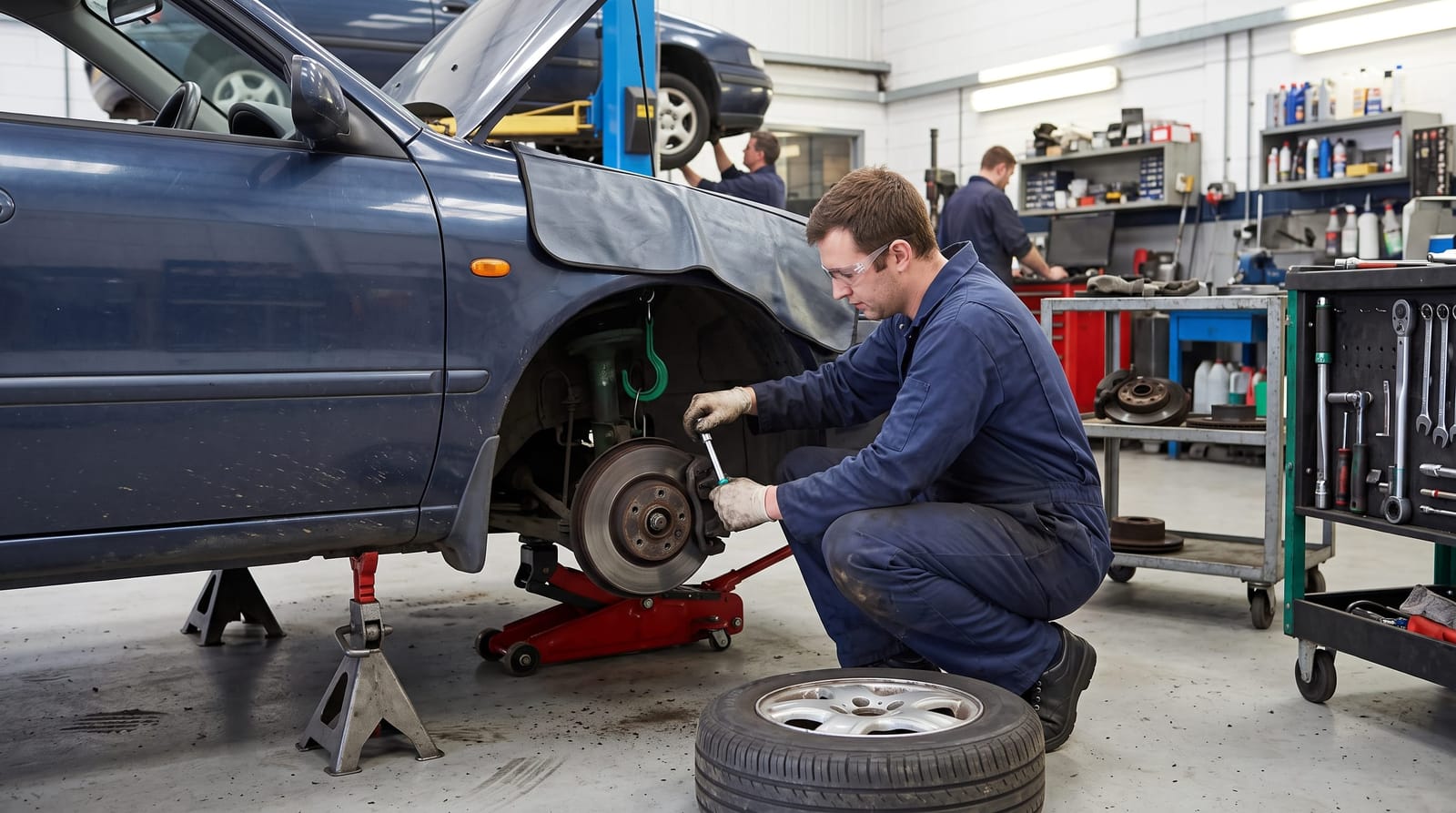
Brake calipers squeeze the pads against the rotor to create stopping friction. A seized or sticking caliper can cause uneven pad wear, pulling to one side, or brake drag, where the pad stays in contact with the rotor even when you're not braking. Technicians check caliper slide pins for free movement, inspect caliper pistons for proper retraction, and look for signs of corrosion or physical damage.
Hardware, the small clips, shims, and brackets that hold brake components in place, is also inspected. Worn or missing hardware can cause squealing, rattling, and uneven pad contact. This is a detail that's easy to overlook but directly affects noise levels and pad longevity.
Brake Lines and Hoses
Hydraulic brake lines carry pressurized fluid from the master cylinder to each wheel. Technicians inspect both rigid metal lines and flexible rubber hoses for:
- Cracks, brittleness, or swelling in rubber hoses
- Corrosion, kinking, or damage to metal lines
- Any signs of moisture or fluid leaks along the line
A brake hose that's deteriorating internally can restrict fluid flow or collapse under pressure, leading to reduced braking performance or a spongy pedal feel. Colorado's temperature swings and road conditions accelerate this kind of wear.
Brake Fluid Condition and Level
Brake fluid is hygroscopic, meaning it absorbs moisture from the air over time. As water content increases, the fluid's boiling point drops. Fresh DOT 3 brake fluid has a dry boiling point of around 401°F, but moisture-contaminated fluid can boil at temperatures as low as 284°F: a condition that contributes to brake fade under heavy use.
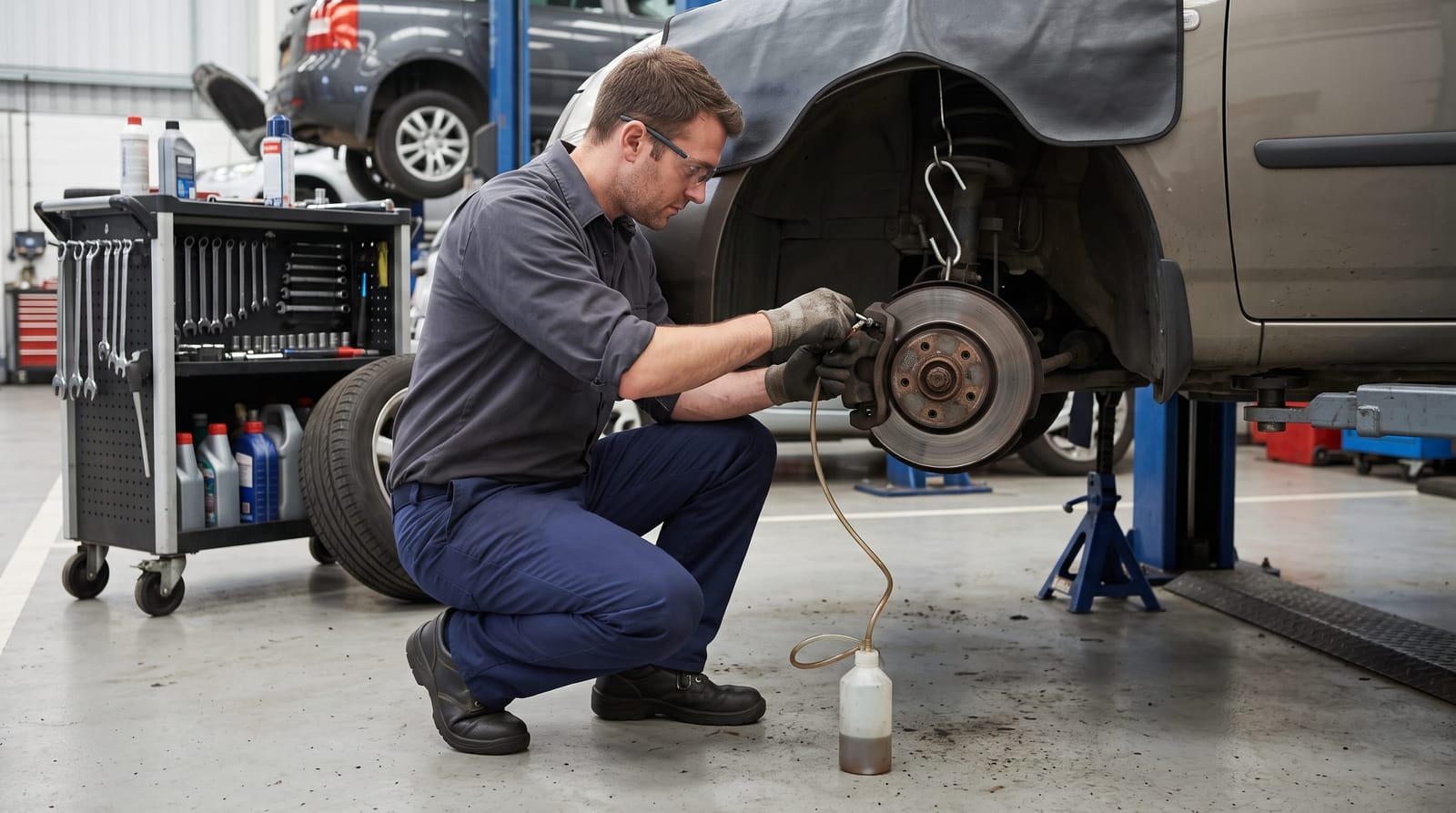
Technicians check fluid level in the master cylinder reservoir and may use a test strip or refractometer to measure moisture content. Fluid that's dark, murky, or contains more than 3% water by volume is typically flagged for replacement.
Parking Brake Function
The parking brake, whether cable-operated or electronic, is tested for proper engagement and release. On rear drum brake systems, the parking brake shoes are also inspected for wear. A parking brake that doesn't hold on an incline is both a safety concern and a vehicle inspection failure in many states.
Signs That Trigger a Closer Look
Some vehicles come in for a routine inspection; others arrive because something felt wrong. Common symptoms that prompt a deeper investigation include:
- A soft or spongy brake pedal (often indicates air in the brake lines or fluid issues)
- Brake fade during extended downhill driving (common on mountain routes around Fort Lupton)
- Pulling to one side when braking (typically a caliper or pad wear imbalance)
- Grinding, squealing, or clicking sounds when applying the brakes
- Longer-than-normal stopping distances
- Steering wheel vibration or pulsation when braking
Each of these symptoms points to a specific area of the brake system, and a thorough inspection uses them as diagnostic clues alongside the physical measurements.
Frequently Asked Questions
How long does a brake inspection take in Fort Lupton?
A comprehensive brake inspection typically takes 30 to 60 minutes, depending on the vehicle type and whether any issues require closer examination. Heavy-duty trucks may take longer due to the complexity of their braking systems. At CTDS, the 16-point inspection is designed to be thorough without unnecessary delays.
Is a brake inspection free, or does it cost something?
Policies vary by shop. Many service centers, including CTDS, offer brake inspections as part of their service process. It's always worth calling ahead to confirm what's included and whether there's a charge before your visit.
How often should I have my brakes inspected?
Most automotive professionals suggest having brakes inspected at least once a year, or every 12,000 miles: whichever comes first. Drivers who frequently tow, haul heavy loads, or drive mountain routes may need more frequent checks due to increased brake system stress. Consult with a qualified technician for guidance specific to your vehicle and driving habits.
What's the difference between a brake inspection and a brake service?
A brake inspection is an evaluation: technicians measure, test, and document the condition of your brake system without necessarily replacing anything. A brake service refers to actual repair or replacement work, such as installing new pads, resurfacing rotors, or flushing the brake fluid. An inspection typically comes first and determines whether a service is needed.
Know What's Being Checked: And Why It Matters
A thorough brake inspection goes far beyond a quick look at pad thickness. From rotor runout measurements to caliper slide pin movement to brake fluid moisture content, every component plays a role in how reliably your vehicle stops. Understanding the 16 checkpoints covered during a professional brake inspection in Fort Lupton, CO means you can walk into the shop as an informed vehicle owner, and walk out with confidence in the results. If you're due for an inspection or noticing any of the warning signs covered here, it's worth getting your brake system evaluated before a minor issue becomes a safety concern.