How Do I Know If My Brakes Need to Be Replaced? 7 Warning Signs
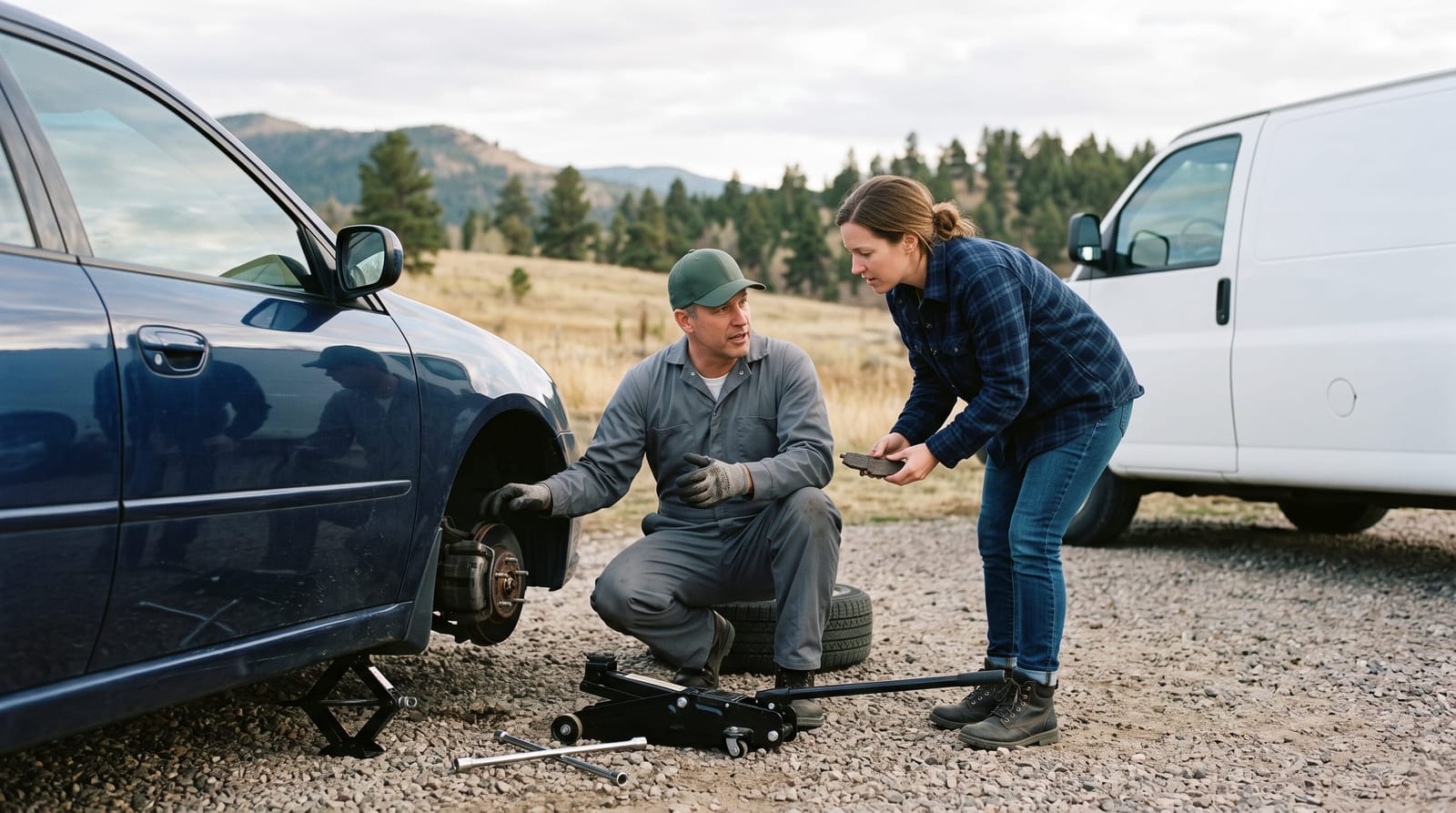
If you're searching for signs brakes need replacing in Colorado, you're already asking the right question, and asking it at the right time. Brakes are the single most important safety system on your vehicle, yet most drivers don't think about them until something goes obviously wrong. According to the National Highway Traffic Safety Administration (NHTSA), brake-related issues contribute to approximately 22% of vehicle crashes caused by mechanical failure. The good news? Your brakes almost always give you warning before they fail completely. This beginner's guide walks you through seven clear signals that it's time to have your brakes inspected or replaced.
Why Brake Warning Signs Matter More in Colorado
Colorado's driving conditions put extra stress on brake systems year-round. Between mountain descents that overheat rotors, gravel roads in Weld County that accelerate pad wear, and winter ice that demands maximum stopping power, vehicles here face demands that flat-terrain drivers simply don't. Brake pads on vehicles regularly driven in hilly or mountainous terrain can wear out up to 30% faster than those driven primarily on flat highways. That means the typical 30,000-70,000 mile lifespan you might read about on a manufacturer's website may not reflect your real-world usage around Fort Lupton, Greeley, or the foothills communities nearby. Recognizing the early warning signs puts you in control, and keeps you, your passengers, and everyone else on the road safer.
The 7 Warning Signs Your Brakes Need Replacing
Sign 1: Squealing or Squeaking Noises
This is the most common early warning sign and one that's actually built into your brake system on purpose. Most modern brake pads include a small metal wear indicator: a tab designed to contact the rotor and produce a high-pitched squeal when the pad material wears down to roughly 2-3mm. Think of it as your brake pad's way of raising its hand before things get serious. The squealing is typically most noticeable during light braking or when you first apply the pedal. If you hear it consistently, it's time for an inspection. (Curious about the difference between squealing and more serious grinding sounds? Our detailed breakdown of squealing vs. grinding brakes explains what each noise means and which one demands more urgent attention.)
Sign 2: Grinding or Metal-on-Metal Sounds
Grinding is the sound you never want to hear from your brakes. It almost always means the brake pad material has worn through completely, and the metal backing plate is now contacting the rotor directly. At this stage, you're not just looking at pad replacement: rotor damage is likely, which significantly increases repair costs. Grinding can also indicate a foreign object (like a small stone) lodged between the pad and rotor. Either way, grinding is a signal to stop driving and get the vehicle inspected as soon as possible.
Sign 3: Brake Pedal Pulsation or Vibration
If your brake pedal vibrates or pulses underfoot when you apply pressure, especially during highway-speed stops, the most likely cause is warped rotors. Rotors can warp from excessive heat (common on long mountain descents), hard stops from high speeds, or simply age and mileage. A pulsating pedal can also indicate uneven pad deposits on the rotor surface. You might also feel this vibration through the steering wheel. Either way, a pulsating pedal means your braking surface is no longer flat and even, which directly compromises stopping performance.
Sign 4: Vehicle Pulling to One Side
When you apply the brakes and your vehicle drifts left or right instead of stopping in a straight line, that's called brake pull. Common causes include:
- A stuck or seized brake caliper on one side
- Uneven brake pad wear between the left and right wheels
- A brake hose that has collapsed internally, restricting fluid flow
- Contaminated brake pads on one side (oil or brake fluid leak)
Brake pull is worth taking seriously because it means your braking force is unequal, which can cause dangerous handling, especially in emergency stops or on slick Colorado roads.
Sign 5: Soft, Spongy, or Low Brake Pedal
A healthy brake pedal should feel firm and responsive within the first inch or two of travel. If your pedal feels soft, spongy, or sinks closer to the floor than usual before engaging, the brake system has likely developed one of these issues:
- Air in the brake lines (requires bleeding)
- A brake fluid leak at the master cylinder, caliper, or brake line
- A failing master cylinder
- Severely worn brake pads that have reached their limit
Brake fluid is a closed system, if it's low, that fluid went somewhere. A soft pedal should be treated as urgent and inspected by a qualified technician promptly.
Sign 6: The Brake Warning Light Illuminates
Your dashboard has two brake-related warning lights to know:
- The red BRAKE light, often indicates low brake fluid, an engaged parking brake, or a serious hydraulic issue. If this comes on while driving, have it checked right away.
- The yellow ABS light: indicates a fault in the Anti-lock Braking System. Your standard brakes may still function, but the ABS (which helps prevent skidding on ice and gravel) may be compromised.
Many modern vehicles also have electronic pad wear sensors that trigger a dashboard warning when pads reach a minimum thickness: typically around 3mm. Never ignore a brake warning light. It's the vehicle telling you something your eyes can't see from the driver's seat.
Sign 7: Visual Inspection Results
You don't always need a mechanic to take a first look. On most vehicles, you can see the brake pad through the wheel spokes. Here's a simple visual check:
- Look through the wheel at the brake rotor (the shiny disc) and the caliper (the clamp-like component around it).
- Find the brake pad: it sits between the caliper and the rotor.
- If the pad appears to be less than ¼ inch (about 6mm) thick, it's time for a professional inspection.
- Also check the rotor surface for deep grooves, scoring, or a pronounced lip around the outer edge: these are signs of rotor wear.
This 30-second check every month or so can help you catch wear early, before squealing or grinding even begins.
How Long Do Brakes Typically Last?
Brake pad lifespan varies considerably based on driving habits, vehicle type, and terrain. General estimates used across the automotive industry suggest:
- Front brake pads: 30,000-70,000 miles (front brakes handle 60-70% of stopping force and wear faster)
- Rear brake pads: 50,000-80,000 miles on most passenger vehicles
- Brake rotors: Typically 50,000-70,000 miles, but often replaced in pairs when pads are changed
- Heavy-duty trucks: May require more frequent inspection, especially if used for towing or hauling
These are general ranges, not guarantees. A truck that frequently hauls heavy loads down Colorado grades will wear brakes far faster than a commuter sedan on flat suburban roads. Understanding what a brake job typically involves, and what it costs, is a natural next step once you've identified a potential issue. Our guide on brake job costs in Colorado breaks down what you can expect to pay for pads, rotors, and labor.
Frequently Asked Questions
How often should brakes be inspected even if I don't notice any warning signs?
Most automotive professionals recommend having your brakes visually inspected at least once a year or every 12,000 miles: whichever comes first. If you drive in mountainous terrain, tow frequently, or notice any of the warning signs listed above, more frequent inspections make sense. A brake inspection is typically quick and often included with tire rotations or oil changes.
Can I drive with squealing brakes for a few days before getting them checked?
Squealing from the wear indicator tab typically means you have a short window before pads wear through completely, but "a few days" can become a much costlier problem quickly. If the squealing turns to grinding even briefly, rotor damage may have already occurred. It's best to schedule an inspection as soon as you hear consistent squealing rather than waiting to see what happens next.
Do I need to replace all four brakes at once?
Not necessarily. Brakes are typically replaced in axle pairs, meaning both front or both rear at the same time, to maintain balanced, even stopping performance. Because front brakes wear faster, you may replace them more often than the rears. A qualified technician will measure pad thickness on all four wheels and recommend replacements based on actual wear, not a one-size-fits-all approach.
Are brake warning signs different for trucks vs. passenger cars?
The core warning signs, squealing, grinding, pedal feel, pulling, and warning lights, apply to both. However, heavy-duty trucks and vehicles used for towing may experience brake wear more rapidly and sometimes develop additional issues like brake fade (reduced effectiveness from heat buildup) under heavy load. Truck owners should be especially attentive to any change in stopping distance or pedal feel, particularly after hauling or descending grades.
The Bottom Line: Don't Wait for Brakes to Fail
Understanding the signs your brakes need replacing in Colorado is one of the most practical safety skills any driver can have. From that first faint squeal to a soft pedal or flashing warning light, your vehicle gives you meaningful signals, if you know what to listen and look for. The seven warning signs covered in this guide represent a progression from early (squealing) to urgent (grinding, soft pedal). Catching issues early almost always means simpler, less expensive repairs and, more importantly, a safer vehicle. If you've noticed any of these warning signs on your personal vehicle or work truck, a brake inspection is the logical next step.