Brake Pad & Rotor Replacement Near Brighton, CO: What It Costs & When You Need It
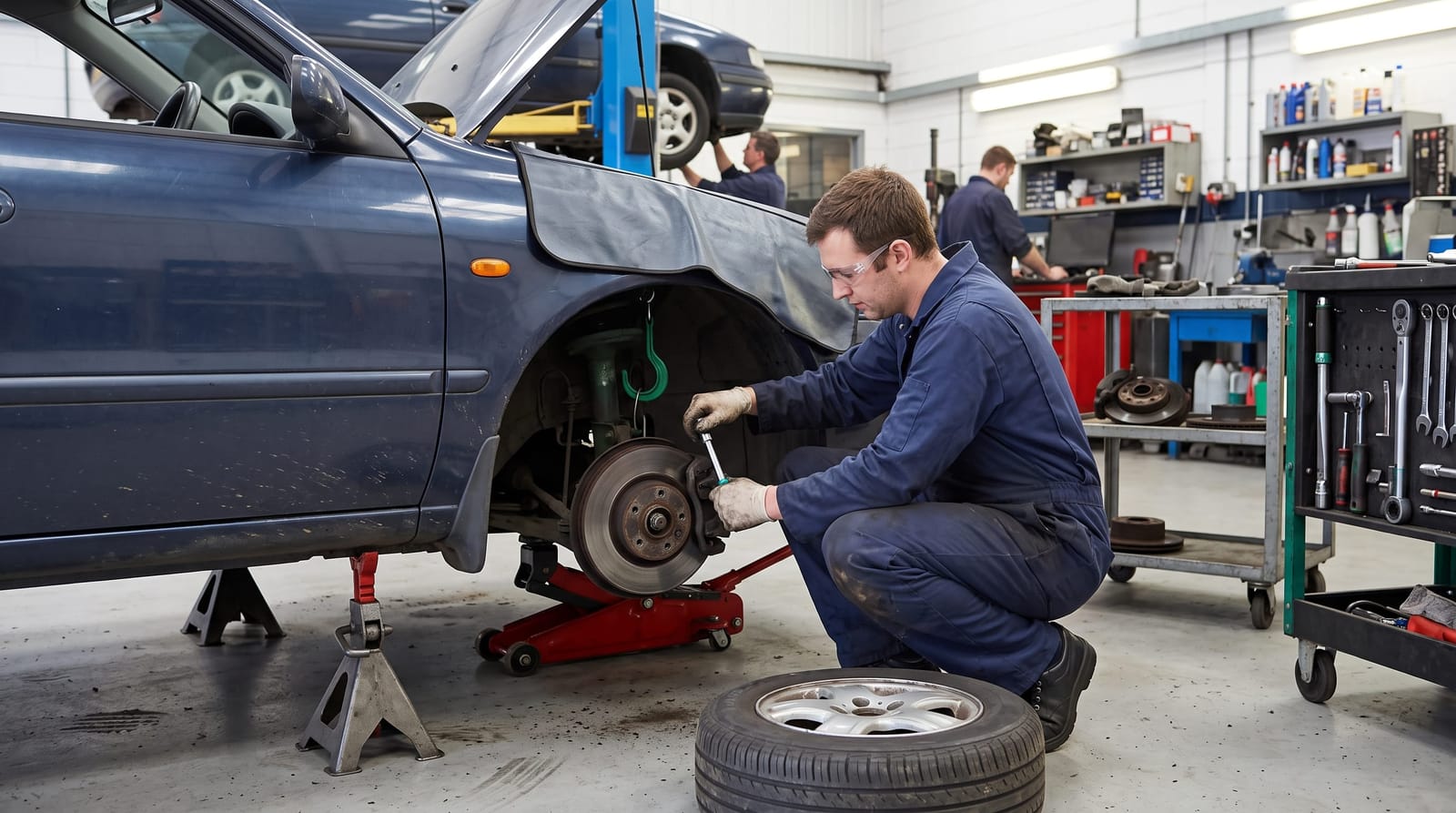
Your brakes are the single most important safety system on your vehicle, and when they start showing signs of wear, the clock is ticking. For drivers in Brighton, CO and the surrounding North Denver Metro area, understanding when to replace brake pads and rotors (and what that service actually involves) can mean the difference between a routine maintenance visit and a much more expensive repair. This post is part of a broader look at brake service and repair in Fort Lupton and the surrounding region, and here we're diving deep into brake pad and rotor replacement specifically: how to tell when it's time, what the process looks like, how pad materials differ, and what you can realistically expect to pay. If you've been Googling brake pad rotor replacement Brighton CO, this guide covers what you need to know.
How Your Brake Pads and Rotors Work Together
Before you can understand when replacement is needed, it helps to understand what these components actually do. Every time you press the brake pedal, hydraulic pressure pushes a set of brake calipers together, squeezing brake pads against a spinning metal disc called a rotor. That friction is what slows your vehicle down. It sounds simple, but the forces involved are significant, especially in Colorado, where mountain passes, highway on-ramps, and long rural stretches near Brighton put real demands on your braking system.
Brake pads are designed to wear down gradually. They're the sacrificial component in this system: softer than the rotor, intentionally engineered to absorb friction so the rotor lasts longer. But rotors wear too, and they're also vulnerable to heat-related warping, scoring from metal-on-metal contact, and surface rust from sitting in wet or icy conditions (something Colorado drivers know well).
When pads wear thin or rotors become uneven, your stopping distances increase, your pedal feel changes, and in some cases, brake failure becomes a real risk. That's why monitoring both components together, not just one or the other, is essential to safe vehicle operation.
Signs It's Time to Replace Your Brake Pads and Rotors
Many drivers wait until something goes wrong before thinking about their brakes. But your vehicle usually gives you warning signs well before the situation becomes dangerous. Knowing what to look and listen for helps you act before minor wear turns into major damage.
Thickness: The Numbers That Matter
Brake pads are measured in millimeters. New pads typically start at 10-12mm. Most mechanics recommend replacement when pads wear down to around 3-4mm, and many consider 2mm a hard limit. Rotors also have a minimum thickness specification, which is stamped directly onto the rotor itself. If a rotor has been machined (resurfaced) down past that spec, it must be replaced rather than resurfaced again. A qualified technician can measure both during a brake inspection, which is often a quick, no-cost service at most shops.
Noise: What Squealing and Grinding Actually Mean
That high-pitched squeal you hear during normal braking? That's often a small metal wear indicator built into the pad, designed specifically to alert you when pad thickness is getting low. Ignore it long enough, and the squeal turns into a grinding sound: metal pad backing contacting metal rotor directly. Grinding is a sign that pads are fully worn and the rotor is likely being damaged in real time. If you're hearing grinding, you're almost certainly looking at rotor replacement alongside new pads. For a deeper breakdown of what different brake noises indicate, see our guide on squealing grinding brakes what it means.
Pedal Feel and Vehicle Behavior
A brake pedal that feels soft, spongy, or sinks toward the floor suggests a hydraulic issue, but a pulsating or vibrating pedal when braking often points directly to warped rotors. If your vehicle pulls to one side when you brake, that can indicate uneven pad wear or a sticking caliper on one side. These symptoms don't always mean immediate replacement is needed, but they do mean a professional inspection is overdue.
If any of these symptoms sound familiar, our article on signs brakes need replacing Colorado walks through seven specific warning signs in detail.
Brake Pad Materials: Which Type Is Right for Your Vehicle?
Not all brake pads are created equal. When your shop replaces your pads, they'll typically discuss pad material with you, or they'll select the appropriate type based on your vehicle and driving habits. Here's a plain-language breakdown of the main options:
Organic (Non-Metallic) Pads
Made from materials like rubber, glass, and resin, organic pads are the quietest and gentlest on rotors. They're a reasonable choice for everyday commuter vehicles with light-duty braking demands. The tradeoff is shorter lifespan and reduced performance under high heat, not ideal for heavier vehicles or aggressive driving styles.
Semi-Metallic Pads
The most widely used type across passenger vehicles and light trucks, semi-metallic pads blend metal shavings with friction material. They handle heat well, last longer than organic pads, and offer strong stopping power across a wide range of driving conditions. They tend to be slightly louder and can wear rotors faster over time, but for most drivers in Brighton and the surrounding area, they're a practical, cost-effective choice.
Ceramic Pads
Ceramic pads are quieter, produce finer brake dust, and are gentler on rotors: making them a popular premium option for daily drivers who want low noise and clean wheels. They're not typically the go-to choice for heavy trucks or towing applications, but for sedans, SUVs, and crossovers doing regular commute driving, ceramics are worth considering if the budget allows.
A Note on Heavy-Duty and Towing Applications
Drivers in the agricultural and rural communities around Brighton often operate pickup trucks or work vehicles that haul significant loads. For these applications, pad selection matters more than most people realize. Heavier vehicles generate significantly more braking heat, and using pads not rated for that heat can lead to brake fade: a temporary but dangerous loss of stopping power. If you're regularly towing or hauling, discuss your specific use case with a technician rather than simply choosing the cheapest pad available.
The Brake Pad and Rotor Replacement Process
Knowing what happens during a brake job helps you have a more informed conversation with your service advisor and understand why the job takes the time it does.
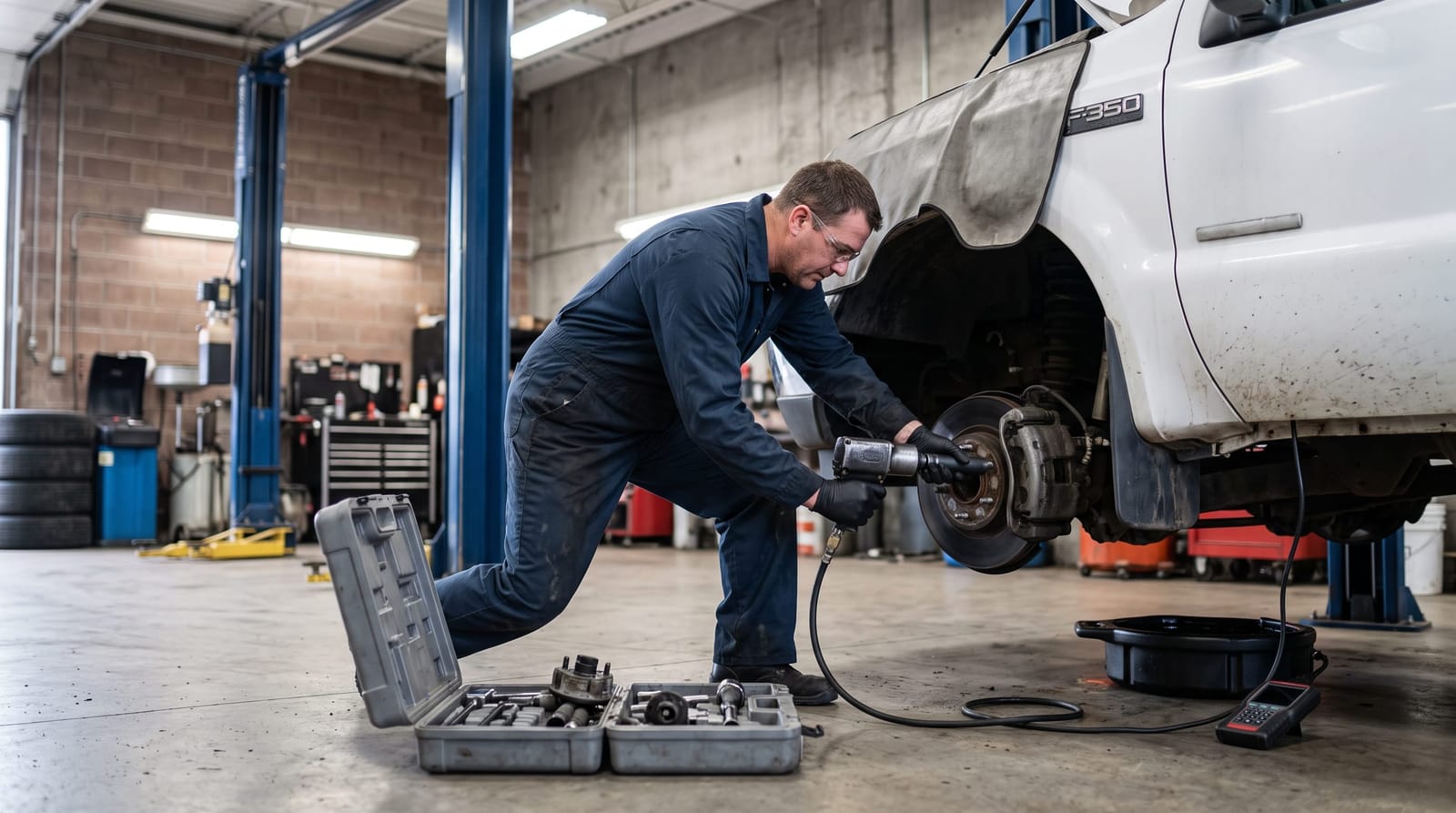
A standard brake pad and rotor replacement begins with safely lifting and supporting the vehicle, then removing the wheels to access the brake components. The technician inspects the caliper, caliper bracket, and hardware for wear or damage. The old pads are removed, and the rotor is either measured for minimum thickness and inspected for surface condition, or simply swapped out as part of the job.
New rotors are installed, then new pads are seated with the correct hardware (anti-squeal shims, clips, and lubricant applied to the appropriate surfaces). The caliper piston is compressed to accommodate the new pad thickness, everything is reassembled, and the brakes are pumped to restore proper pedal pressure before the vehicle moves anywhere.
A complete axle service (both wheels on one end of the vehicle) typically takes one to two hours depending on the vehicle. Full four-wheel brake service takes longer. Many shops recommend doing brakes in axle pairs, both front wheels together, or both rear wheels together, to maintain balanced stopping performance.
What Brake Pad and Rotor Replacement Costs Near Brighton, CO
Pricing for brake pad rotor replacement Brighton CO area residents see varies depending on several factors: the vehicle type, which axle is being serviced, pad material selected, whether rotors need resurfacing or replacement, and labor rates at the specific shop.
Generally speaking, front brake service tends to cost more than rear because front brakes handle a larger share of your vehicle's stopping force and often use larger components. Rotor replacement adds cost over a pad-only job, but resurfacing an existing rotor (when it's still within spec and in good condition) can reduce the total bill somewhat. Heavy-duty trucks and larger SUVs typically cost more to service than compact cars due to component size and labor time.
When comparing quotes, look beyond the bottom-line number. Ask whether the quote includes both pads and rotors or just one. Ask about the pad material being used, whether any warranty is included, and what happens if the technician discovers additional issues (like a seized caliper) once the job is open. For a more detailed look at brake service pricing across Colorado, see our breakdown of brake job cost Colorado.
One important note: while it might be tempting to push off brake service to save money in the short term, worn pads that damage rotors almost always cost more to fix than simply replacing pads proactively. Understanding driving with worn brake pads how long Colorado drivers can safely wait is a topic worth reading up on before you delay service.
Related Details Worth Knowing
If you're researching brake service in the North Denver Metro area, a few additional topics connect directly to what's covered here:
- Understanding the signs brakes need replacing Colorado drivers should watch for helps you catch wear early.
- If you're located west of Brighton, our guide to brake service Firestone Frederick CO covers what to look for when choosing a shop in that corridor.
- The distinction between squealing grinding brakes what it means is critical: those two sounds indicate very different stages of wear.
Finding Reliable Brake Service Near Brighton
Brighton has several brake service options, including national chains like Brakes Plus and Firestone Complete Auto Care, as well as independent shops. When evaluating any shop, look for technicians with documented experience, transparent pricing before authorization, and a clear explanation of what was inspected and why the recommended work is needed.
For drivers willing to travel a short distance, Fort Lupton is just north of Brighton and home to shops with strong reputations for honest, thorough brake work: particularly for pickup trucks and heavier vehicles common in the area. A short drive for a shop you can trust is almost always worth it when your brakes are involved.
Final Thoughts
Brake pad and rotor replacement is one of the most common, and most safety-critical, services your vehicle will need over its lifetime. For Brighton, CO drivers and everyone in the surrounding North Denver Metro area, knowing the warning signs, understanding your pad material options, and having realistic pricing expectations puts you in a much stronger position when it's time to schedule service. Don't wait for grinding metal or a failing pedal to take action. If it's been more than a year since your last brake inspection, or if you've noticed any of the symptoms described above, schedule an inspection soon. Your brakes are worth it.