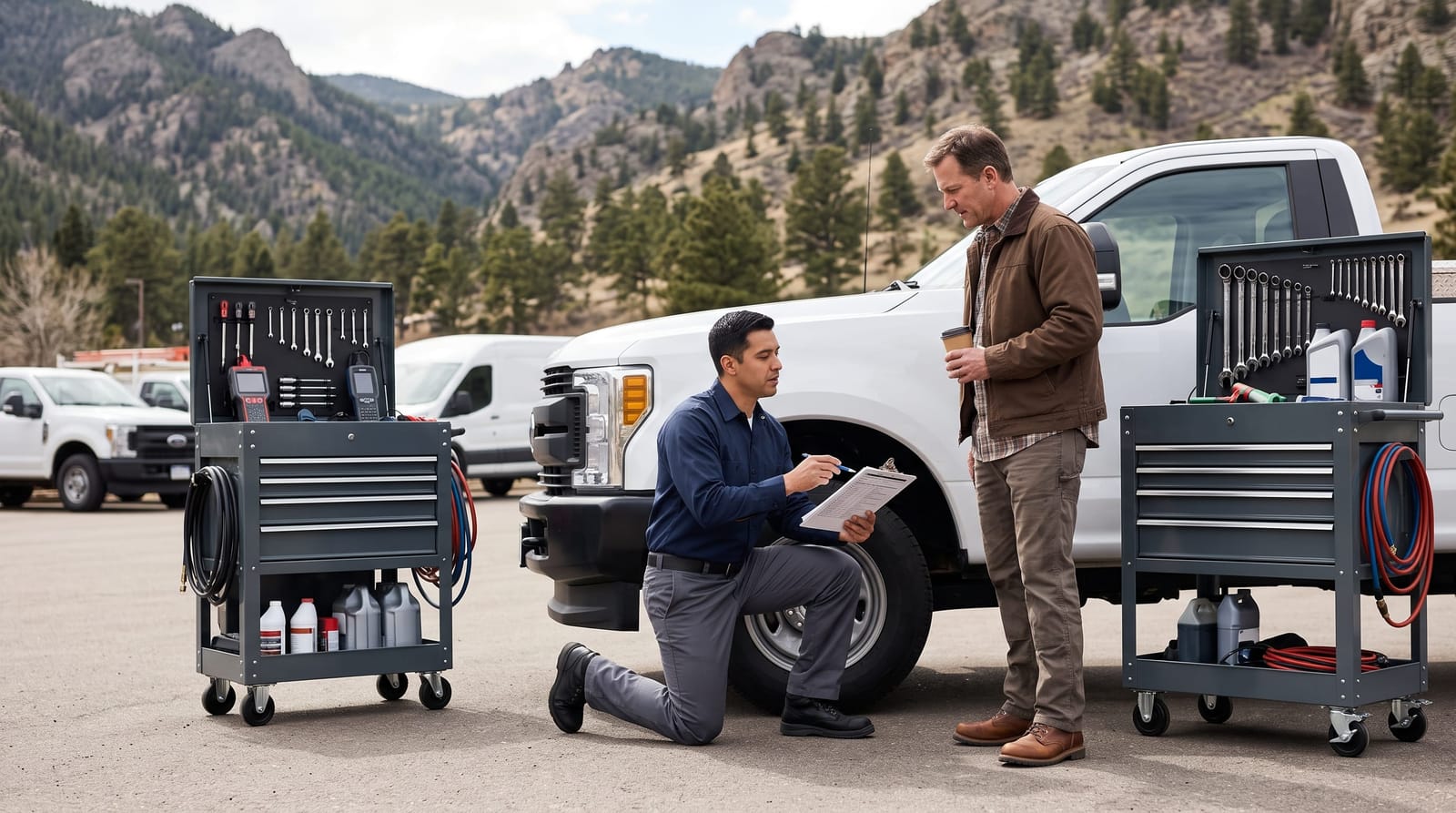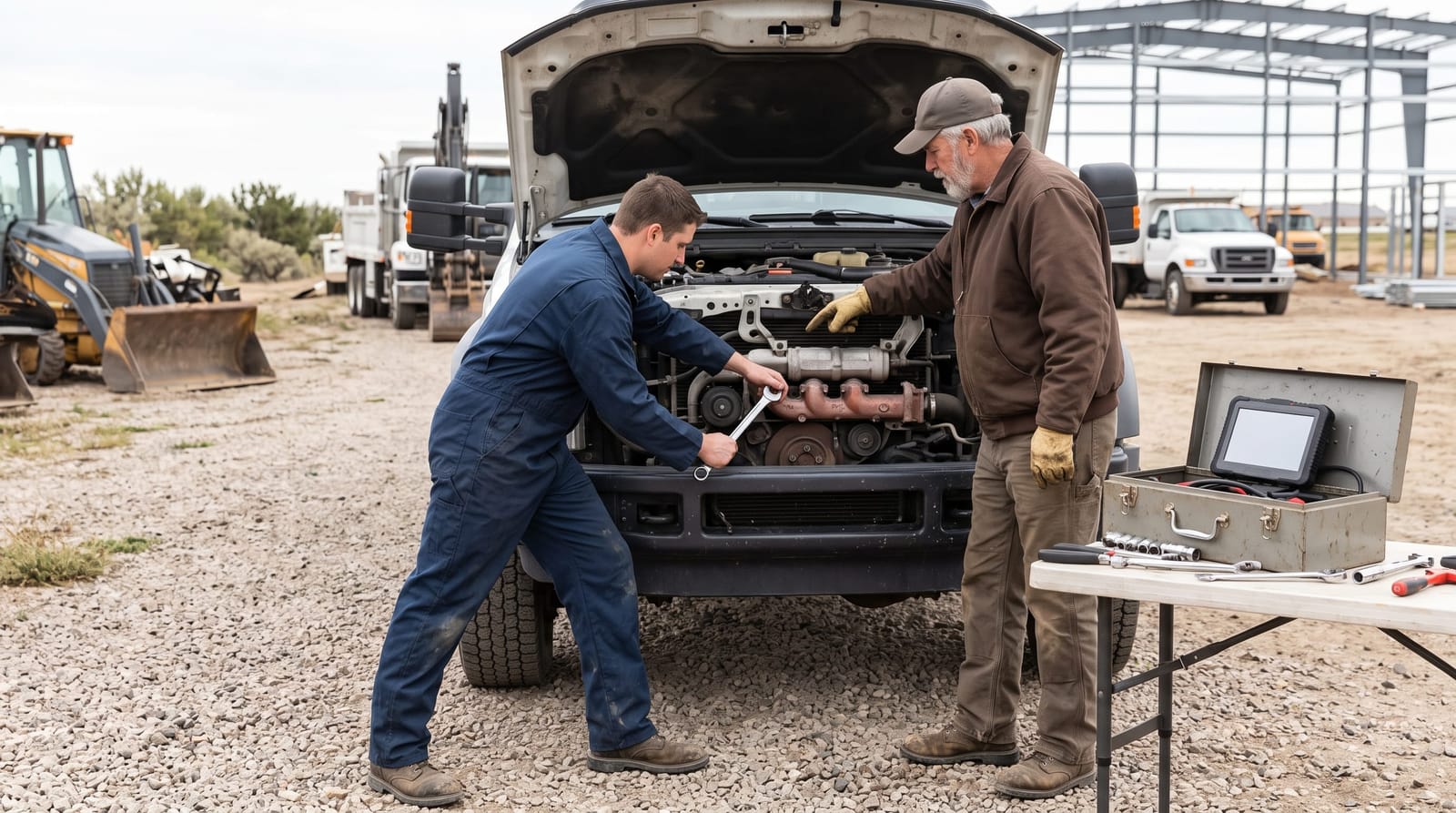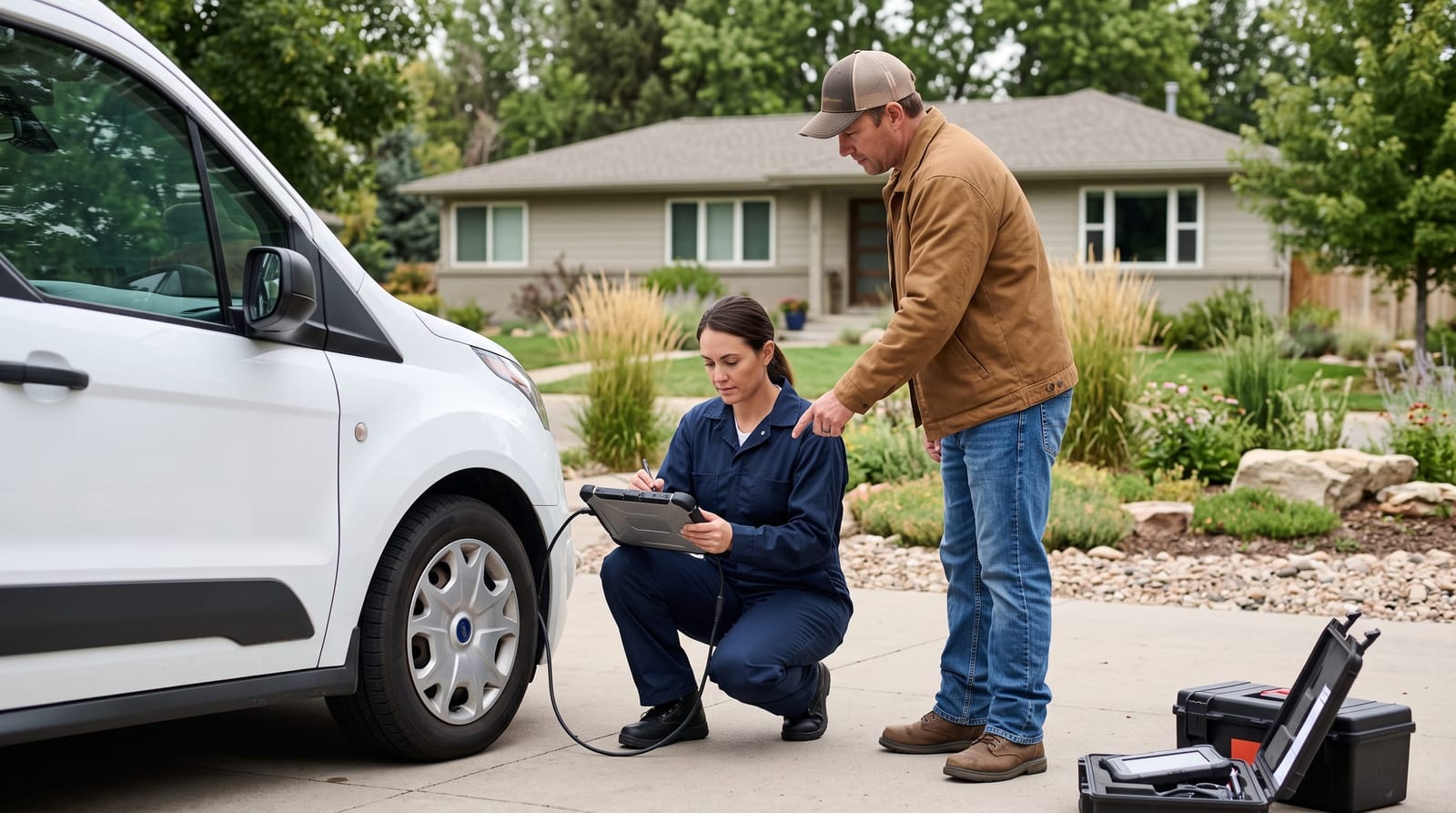
How Much Does Fleet Maintenance Cost for a Small Business in Colorado?

If you run a small business that depends on work trucks or vans, you've probably wondered whether you're spending too much, or too little, on keeping them running. Fleet maintenance cost for small businesses in Colorado varies widely depending on vehicle age, usage, and how proactive your maintenance strategy actually is. This overview breaks down what you can realistically expect to pay, what drives those costs up or down, and how a smarter maintenance approach can protect your bottom line.
What Does Fleet Maintenance Actually Cost Per Vehicle?
The honest answer is: it depends, but there are useful benchmarks. Fleet management software platforms that serve small businesses typically price maintenance tracking at around $7 per vehicle per month for basic maintenance management, scaling up to $28-$29 per vehicle per month when GPS tracking and more advanced features are bundled in. Those are software costs alone, not mechanical service costs.
On the mechanical side, real-world numbers tell a more sobering story. Consider a plumbing contractor operating 14 vans who was spending roughly $3,800 per month on vehicle maintenance, and the majority of that was reactive spending. Breakdowns, emergency repairs, towing, and expedited parts orders all carry premium price tags that scheduled maintenance doesn't. When one of his older Transit vans broke down twice in the same year, the cost wasn't just the repair bill: it was missed service calls, technician idle time, and customer frustration.
For Colorado small businesses budgeting fleet maintenance costs, a reasonable starting framework looks something like this:
- Routine preventative maintenance (oil changes, filters, fluid checks): $800-$1,500 per vehicle annually, depending on mileage and vehicle type
- Tires (replacement and rotation): $600-$1,200 per vehicle annually for commercial use
- Brakes and wear components: $400-$900 per vehicle annually
- Unexpected repairs (reactive budget): Highly variable, older vehicles can easily exceed $2,000-$4,000 per incident
- Downtime cost: Often the largest "hidden" expense, a single day of lost productivity for a service vehicle can cost $500-$2,000 or more depending on your trade
These figures are general educational estimates. For guidance specific to your business finances and tax treatment of vehicle expenses, consult a qualified accountant or financial advisor familiar with Colorado business operations.
Key Factors That Drive Fleet Maintenance Costs Up or Down
Understanding what influences your fleet maintenance cost for your small business in Colorado helps you make smarter decisions before problems compound. The major cost drivers break down into a few clear categories:
Vehicle Age and Mileage
This is the most significant factor. Vehicles beyond 100,000 miles, particularly those operating under heavy commercial load, enter a phase where multiple systems begin degrading simultaneously. Belts, water pumps, suspension components, and fuel system parts don't fail on a predictable schedule, which is why older fleets require more frequent inspections and carry higher reactive repair risk.
Usage Intensity and Operating Conditions
Colorado's geography adds a layer of complexity most other states don't face. A fleet operating across Weld County's mix of highway miles, dirt access roads, and mountain-adjacent terrain experiences accelerated wear on:
- Suspension and steering components from rough road surfaces
- Brakes and drivetrain from elevation changes and loaded vehicle weight
- Cooling systems working harder in summer heat or during high-altitude work
- Tires from temperature swings between seasons
Maintenance Approach: Reactive vs. Preventative
The single biggest controllable variable in fleet maintenance cost for small businesses in Colorado is whether your maintenance posture is reactive or proactive. Reactive maintenance, fixing things when they break, consistently costs 3 to 5 times more per incident than catching the same issue during a scheduled service. A failing belt caught during an oil change costs under $200. The same belt failing on a jobsite means towing, emergency scheduling, lost billable hours, and often a ripple effect across your entire crew's day.
How to Build a Fleet Maintenance Budget That Actually Works
Budgeting for fleet maintenance isn't guesswork when you have the right framework. Here's a practical approach that works for small commercial fleets in Colorado:
- Track every vehicle individually. Each vehicle in your fleet has its own age, mileage history, and repair record. Lumping them together masks which units are actually costing you the most, and which ones may need to be retired or replaced.
- Set a per-vehicle annual maintenance budget. Work backward from historical spend or industry benchmarks. Include a reactive repair reserve, typically 20-30% of your planned maintenance budget, as a cushion for unexpected costs.
- Schedule services proactively, not by convenience. Maintenance deferred is maintenance that gets more expensive. Build service intervals into your dispatch and scheduling system so vehicles come in before they're symptomatic.
- Account for seasonal Colorado demands. Pre-winter prep and post-winter inspections aren't optional for Colorado fleets: they're part of your cost structure. A seasonal fleet maintenance checklist for Colorado winters and summers can help you anticipate what service each season requires before it arrives.
- Evaluate your shop relationship. Working with a service provider who knows your fleet, keeps vehicle histories, and communicates proactively eliminates the cost surprises that come with transactional repair relationships. Understanding what to look for in a reliable fleet mechanic near your area is worth the time investment before you're in a breakdown situation.
Framing Preventative Maintenance as a Business Investment
The most important shift small business owners can make is reframing preventative fleet maintenance, not as an operational expense to minimize, but as a direct investment in uptime and revenue protection.
Consider the math from the perspective of a five-vehicle HVAC or landscaping fleet in Weld County. If each vehicle generates $800-$1,200 per day in billable revenue, a single unexpected breakdown that sidelines a vehicle for two days represents $1,600-$2,400 in lost revenue, before you pay for the repair itself. Multiply that across a season where deferred maintenance leads to three or four breakdown events, and you're looking at a significant drag on annual profitability that a disciplined maintenance schedule could largely prevent.
CTDS approaches fleet maintenance with this mindset: priority scheduling, documented service histories, and maintenance intervals designed around how your specific vehicles actually operate, not generic manufacturer recommendations that don't account for Colorado conditions or commercial load cycles.
Frequently Asked Questions
What is a reasonable annual fleet maintenance budget for a small business in Colorado?
General industry benchmarks suggest budgeting $1,500-$3,500 per commercial vehicle annually for planned maintenance, with an additional reserve for unexpected repairs. Older vehicles, high-mileage units, and those operating in harsh conditions should be budgeted at the higher end of that range. For guidance on what's right for your specific business finances, consult a qualified accountant.
How does Colorado's climate affect fleet maintenance costs?
Colorado's weather and terrain create above-average wear on tires, brakes, suspension, and cooling systems compared to fleets operating in milder environments. Seasonal temperature swings, road conditions across rural Weld County, and elevation changes all contribute to accelerated component wear that should be reflected in your maintenance planning and budget.
Is it cheaper to maintain vehicles in-house or use a commercial fleet service provider?
For most small businesses with fewer than 20 vehicles, a dedicated fleet service provider is typically more cost-effective than in-house maintenance once you account for labor, equipment, parts access, and the expertise required for modern commercial vehicles. The break-even point varies by fleet size and vehicle complexity: this is worth analyzing with a business advisor for your specific situation.
How can I reduce fleet maintenance costs without cutting corners on safety?
The most effective cost-reduction strategies involve doing more planned maintenance, not less. Consistent oil and fluid service, regular inspections, and addressing small issues before they become large ones all reduce total maintenance spend over time. Tracking maintenance data by vehicle also helps you identify which units are disproportionately expensive to maintain and may be candidates for replacement.
The Bottom Line on Fleet Maintenance Cost for Small Businesses in Colorado
Fleet maintenance cost for small businesses in Colorado is manageable, but only when it's planned for, not reacted to. The businesses that spend the least on vehicle maintenance over the long run are typically the ones investing the most in consistent preventative service. At CTDS, we work with Weld County fleet operators to build maintenance programs that reduce downtime, extend vehicle life, and eliminate the costly surprises that come with deferred service. If keeping your trucks working is how you keep your business running, a proactive fleet maintenance strategy isn't optional: it's foundational.