Commercial Diesel Fleet Repair in Weld County: Specialized Service for Work Trucks
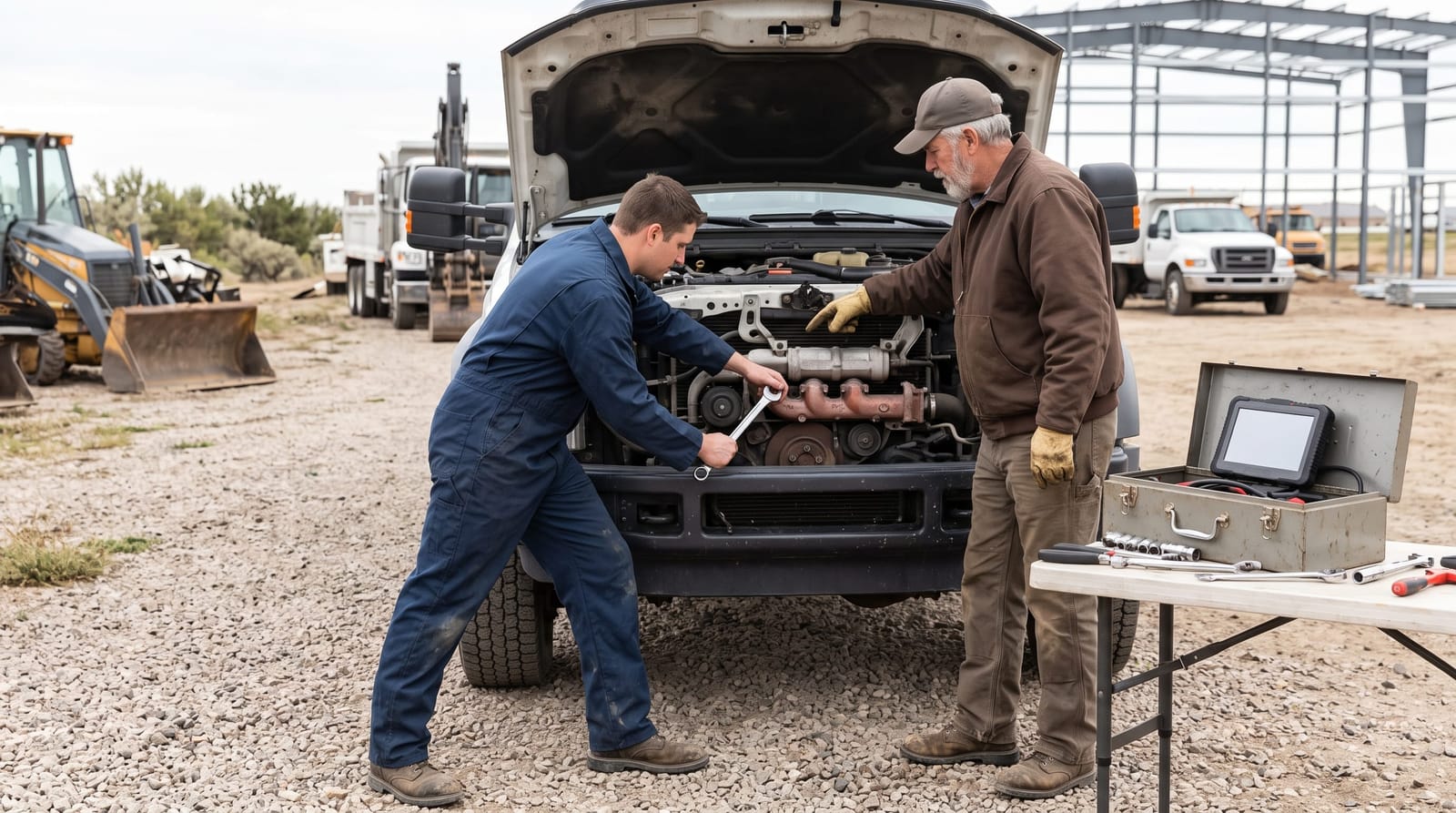
Running a commercial fleet in Weld County means your trucks can't afford to sit idle. Whether you're hauling equipment across Greeley, managing deliveries out of Fort Lupton, or running a construction crew through the county's oil and gas corridors, diesel-powered work trucks are the backbone of your operation. Commercial diesel fleet repair in Weld County CO requires more than a general mechanic. It demands technicians who know these engines, understand the demands placed on work trucks, and can get vehicles back on the road fast. This post explores what specialized diesel fleet service looks like, which truck platforms CTDS supports, and why the right repair partner can make or break your fleet's performance and profitability.
Why Diesel Fleet Repair Is Different from Standard Auto Service
Diesel engines are not scaled-up versions of passenger car engines. They operate on higher compression ratios. They use injection systems that require precise calibration. They generate more torque under load, which stresses drivetrain components differently than gasoline engines do.
When a work truck breaks down, the cost isn't just the repair bill. It's the missed job site delivery, the delayed pour, the crew standing around waiting. For fleet operators, downtime has a multiplier effect that a solo vehicle owner never experiences.
The Skill Gap in General Auto Repair
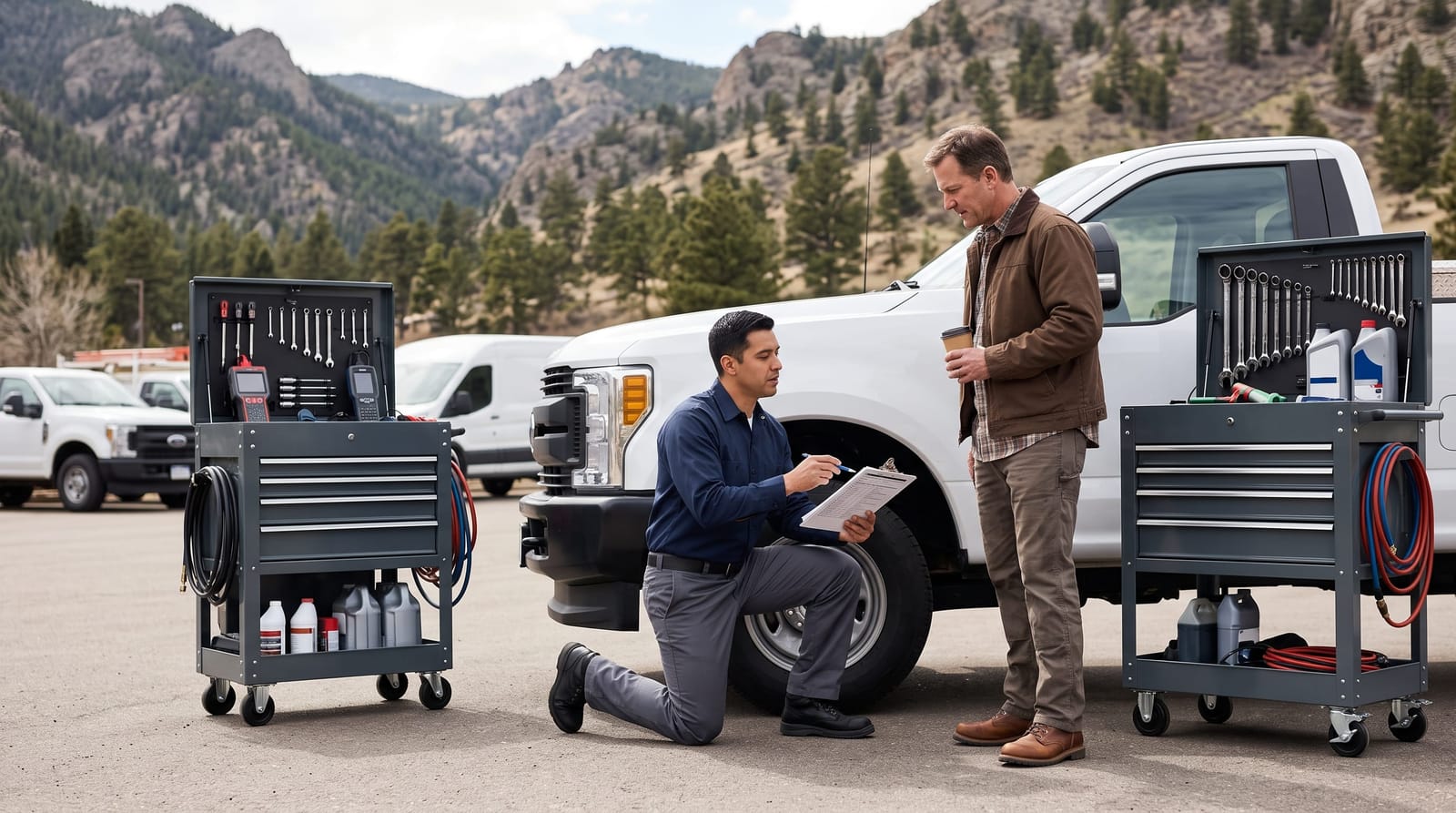
Most general auto shops are not equipped for commercial diesel work. They may lack the scan tools specific to diesel engine control modules. They may not stock the injectors, high-pressure fuel pump components, or EGR system parts that diesel trucks commonly need. Even when they can order parts, diagnosis can take longer without diesel-specific training.
Specialized commercial diesel fleet repair shops invest in the right equipment and training. That investment pays off in faster, more accurate diagnosis and repairs that last.
What Fleet Service Adds to the Equation
Fleet repair goes beyond fixing a truck that's already broken. It includes proactive scheduling, documentation of service intervals, and coordination across multiple vehicles. A shop experienced in fleet work understands that you're managing a moving roster of assets, not just one truck at a time. Building a fleet preventative maintenance schedule Colorado operators can actually follow is part of that service approach.
The Diesel Platforms CTDS Supports
Weld County's work truck population runs heavily on three diesel platforms. Each has its own engineering strengths, known service intervals, and common failure points. CTDS technicians are trained on all three.
Ford F-250, F-350, and F-450 with Power Stroke Diesel
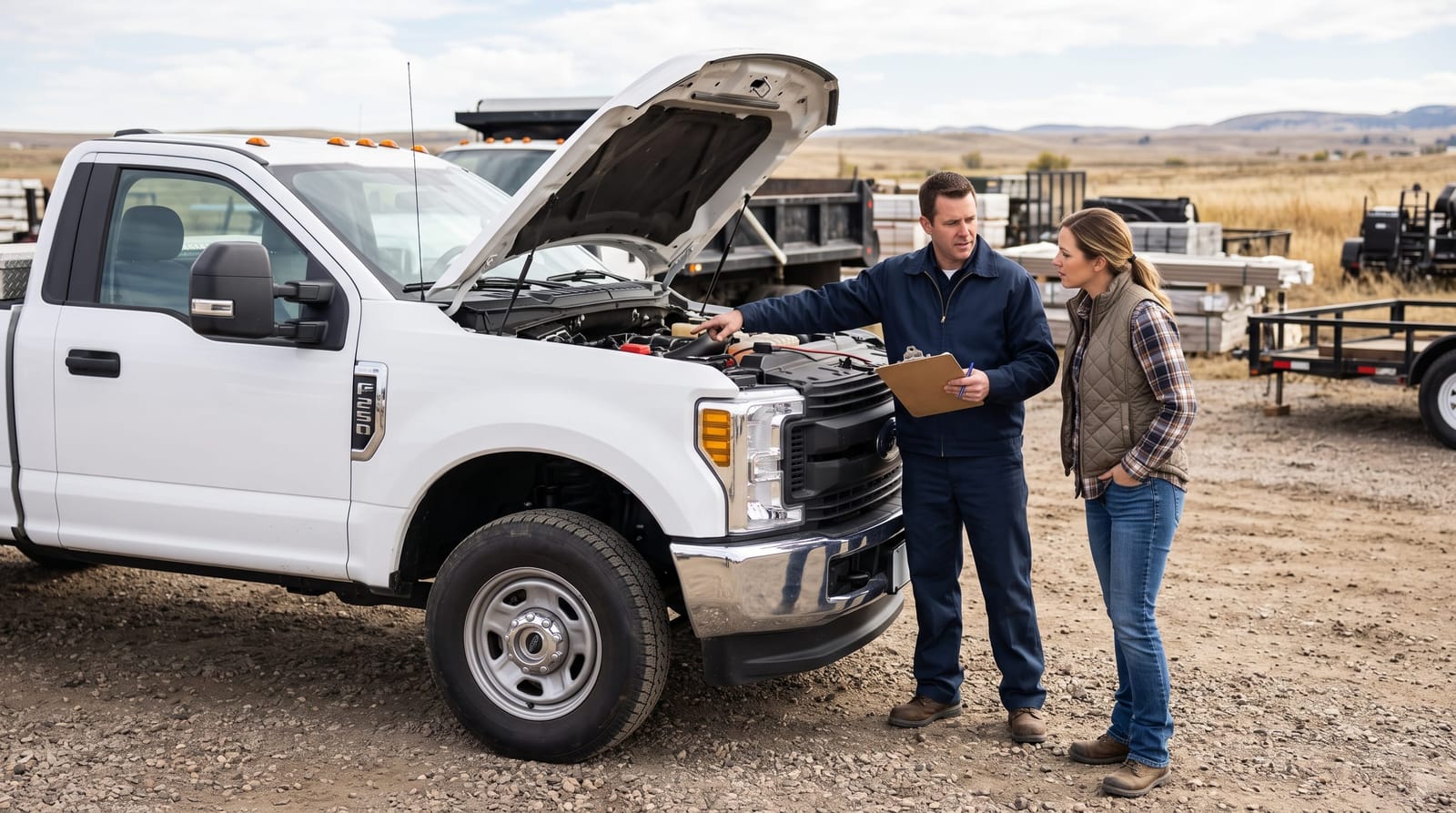
Ford's Power Stroke lineup is one of the most common diesels you'll find on Weld County job sites. The 6.7L Power Stroke found in current Super Duty trucks is capable and well-engineered. But it has known vulnerabilities in its EGR cooler and cooling system under sustained heavy-load conditions.
Older 6.0L Power Stroke engines, still common in older fleet units, are notorious for head gasket failures and EGR cooler issues if cooling system maintenance is neglected. CTDS understands these platform-specific tendencies. That knowledge shortens diagnostic time and prevents misdiagnosis.
Ram 2500 and 3500 with Cummins Diesel
The Cummins inline-six is known for durability and longevity. Many fleet operators specifically choose Ram trucks for the Cummins engine's reputation. However, high-mileage Cummins trucks commonly develop issues with injector cups, lift pumps, and the CP3 or CP4 high-pressure fuel pump depending on the model year.
Fuel system cleanliness is critical on these trucks. Contaminated fuel can destroy injection components quickly. CTDS monitors fuel system health as part of its diesel service approach, not just when a warning light appears.
GM 2500 and 3500 with Duramax Diesel
The Duramax platform has gone through multiple generations, from the early LB7 to the current L5P. Each generation has different service needs. LB7 injectors are notorious for failing. LML engines have emissions system components that require careful maintenance. The L5P is robust but still requires proper oil and fuel filtration practices to reach its potential service life.
GM fleet trucks are popular with utility companies, contractors, and municipalities across Weld County. CTDS can service the full range of Duramax generations, giving fleet managers one consistent shop for mixed-age fleets.
Industries CTDS Serves in Weld County
Commercial diesel fleet repair in Weld County CO serves a wide cross-section of industries. Each has its own operational patterns and service needs. CTDS has experience working across all of them.
Construction and Excavation
Construction crews put trucks through some of the harshest conditions possible. Trucks tow heavy equipment trailers. They idle for long periods on job sites. They run in dusty conditions that accelerate air filter clogging and contaminate fluids faster than normal. Brake systems take a beating on loaded downhill runs. CTDS builds service schedules around these real-world conditions, not just mileage numbers.
Oil and Gas Support Operations
Weld County sits in the heart of the DJ Basin. Oil and gas support companies run diesel trucks constantly across unpaved lease roads. These trucks accumulate mileage fast and face extreme dust and debris exposure. Suspension components, wheel bearings, and differentials wear more quickly in these conditions. CTDS understands the operational tempo of energy sector fleets and can accommodate priority scheduling during peak activity windows.
Landscaping, Agriculture, and Lawn Care
Seasonal demand makes maintenance timing critical for these businesses. Missing a service interval during peak season can mean a breakdown during your busiest period. CTDS works with smaller fleets to schedule preventative service during slower months so trucks are ready when the season hits hard.
Delivery, Logistics, and Trade Contractors
Plumbers, electricians, HVAC contractors, and delivery operators often run fleets of two to ten trucks. These vehicles accumulate consistent mileage year-round. Regular oil changes, fuel filter service, and transmission maintenance keep them running reliably. CTDS can manage service records for each unit individually, so nothing falls through the cracks.
Common Commercial Diesel Repairs and What They Signal
Understanding the repairs your trucks commonly need helps you catch problems before they become catastrophic. Here are the most frequent diesel fleet service items and what they indicate.
Fuel System Service
Diesel fuel injectors wear over time. They also get damaged by contaminated fuel. Rough idle, hard starting, and excessive smoke are warning signs. Fuel filter replacement is one of the highest-impact low-cost maintenance items on a diesel truck. Skipping it can cost far more in injector or pump replacement later.
EGR and Emissions System Maintenance
Exhaust gas recirculation systems in modern diesels are a common source of problems. Carbon buildup in the EGR cooler or valve reduces efficiency and can cause overheating. DEF system faults on trucks with SCR systems can trigger derate modes that limit engine power. Staying ahead of emissions system maintenance keeps trucks compliant and avoids forced downtime.
Cooling System Integrity
Diesel engines run hot under load. Cooling system failure is one of the leading causes of catastrophic engine damage on work trucks. Coolant flush intervals, thermostat condition, and water pump inspection should be part of every fleet's scheduled service program.
Transmission and Drivetrain
Trucks that regularly tow or haul near their capacity limits put enormous stress on transmissions, transfer cases, and differentials. Fluid condition tells a story. Dark, burnt transmission fluid is a warning sign that shouldn't be ignored. Preventative fluid services extend the life of these expensive components significantly.
How Specialized Diesel Expertise Reduces Fleet Costs
The right shop doesn't just fix problems. It helps prevent them. Commercial diesel fleet repair in Weld County CO done right means fewer emergency calls, fewer tow bills, and fewer days with a truck out of service.
Accurate diagnosis matters enormously. A misdiagnosis that replaces a symptom rather than a root cause wastes money and leaves the actual problem in place. Diesel-specific scan tools and experienced technicians reduce the rate of misdiagnosis.
Consistent documentation also matters. Knowing when each truck's injectors were last serviced, what its coolant condition looked like at the last oil change, and which unit has been showing intermittent warning codes lets a fleet manager make informed decisions. CTDS maintains records by unit so fleet managers have that visibility.
For those evaluating whether diesel is the right choice for their next fleet purchase, the detailed breakdown in our post on diesel vs gas fleet vehicles Colorado contractors walks through the cost-effectiveness comparison in practical terms.
What to Look for in a Weld County Commercial Diesel Repair Shop
Not all diesel shops offer the same level of service. Here's what separates a reliable fleet repair partner from a basic repair shop.
- Platform-specific experience: Ask if technicians have direct experience with your truck make and engine family, not just general diesel certification.
- Fleet scheduling capability: A good fleet shop can manage multiple vehicles across staggered service intervals without requiring you to micromanage the schedule.
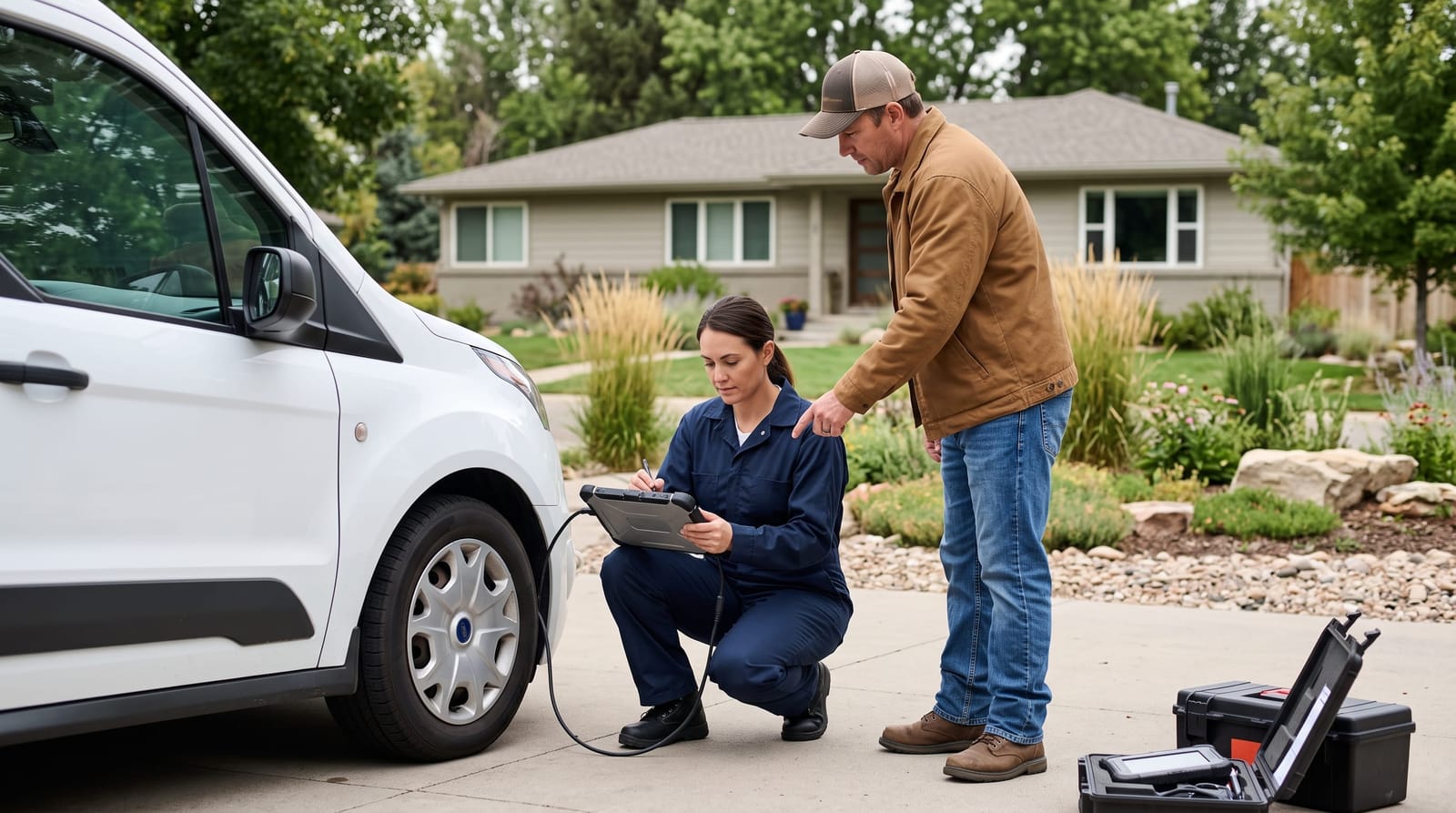
- Diagnostic equipment: Diesel engine control modules require brand-specific or professional-grade scan tools. Ask what equipment the shop uses.
- Parts availability: Shops that stock or have fast access to common diesel fleet parts reduce turnaround time significantly.
- Communication: You should get clear estimates before work begins and updates when the scope changes. Fleet managers can't afford surprises.
CTDS meets these standards with a focus on the specific diesel platforms most common in Weld County's commercial fleet population.
Related Topics Worth Exploring
Commercial diesel fleet repair connects to several other important topics for fleet operators. If you're building or refining your fleet maintenance approach, the post on fleet preventative maintenance schedule Colorado is a strong next read. It covers how to structure a maintenance program that aligns with your operational calendar, not just manufacturer mileage intervals.
Fleet managers who want to dig deeper into diesel-specific operational decisions will also find value in comparing total cost of ownership across powertrains. Understanding what drives long-term costs helps you make smarter purchasing and budgeting decisions at the fleet level.
Conclusion
Commercial diesel fleet repair in Weld County CO is a specialized discipline. The trucks are complex. The stakes are high. And the operational demands placed on work trucks in this region are real. CTDS brings platform-specific diesel expertise, proper diagnostic equipment, and fleet-oriented service practices to every job. Whether your fleet runs Power Stroke, Cummins, or Duramax, or a mix of all three, CTDS is equipped to keep your trucks working.
Contact CTDS today to discuss your fleet's current service needs and set up a maintenance consultation. The fewer surprises your trucks give you on the road, the more productive your business stays every day.