How to Minimize Fleet Downtime: A Guide for Weld County Contractors & Small Businesses
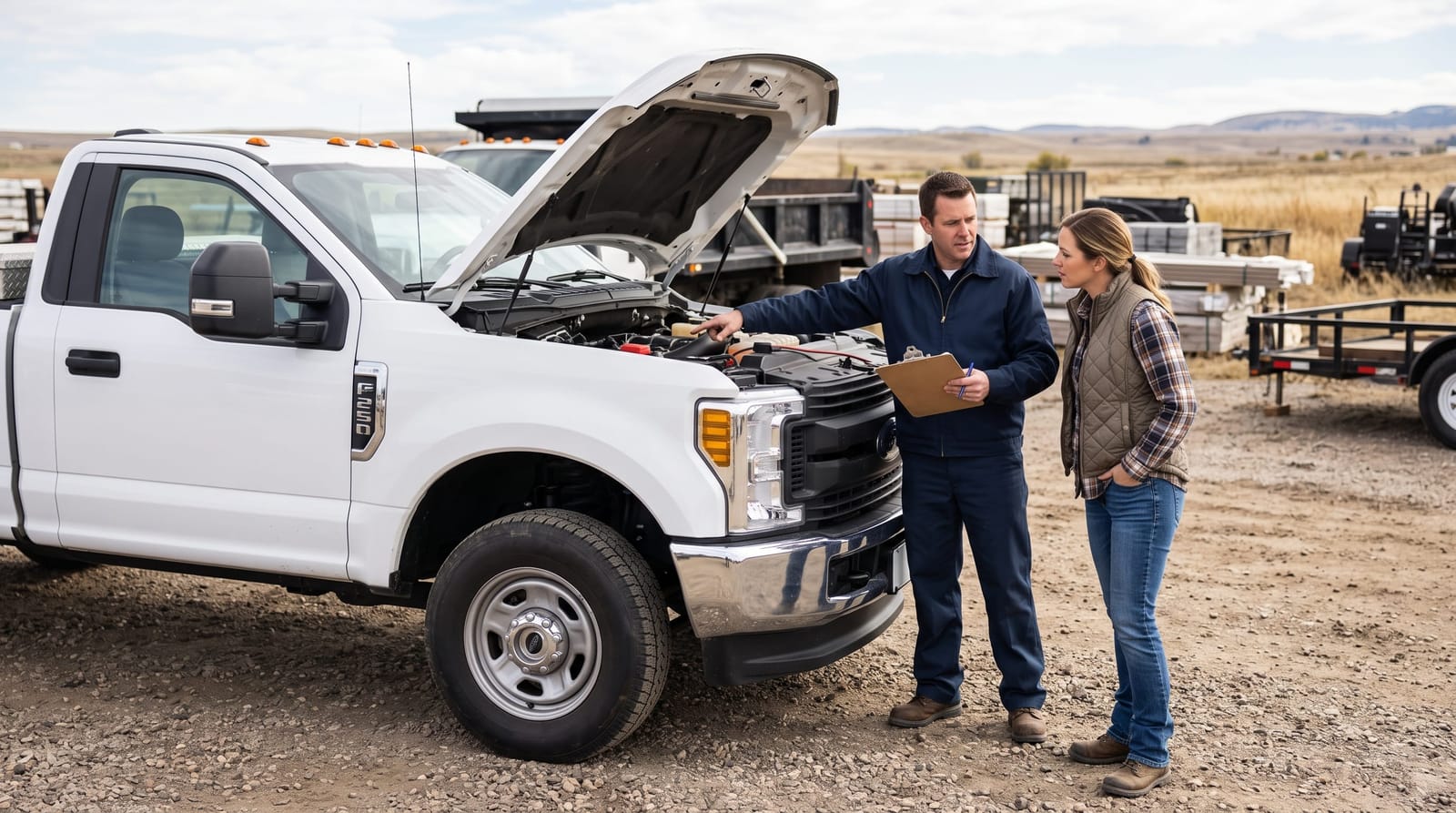
If you run a contracting business, a delivery operation, or any work-truck-dependent company in Weld County, you already know the math: a truck sitting in a shop isn't just an inconvenience, it's lost revenue, delayed projects, and frustrated clients. Fleet downtime is one of the most controllable costs a small business faces, yet it's also one of the most neglected. Most operators don't think about their vehicles until something breaks. This guide is about changing that approach. We'll cover practical strategies for preventing unexpected repairs, recognizing warning signs before they become breakdowns, understanding the true financial weight of downtime, and building the kind of repair relationships that get your vehicles back on the road fast. As part of our broader look at fleet maintenance in Fort Lupton, CO, this post zeroes in on the operational strategies that keep Weld County businesses moving.
The Real Cost of a Truck Sitting in a Shop
Before diving into solutions, it's worth pausing on the problem itself, because most fleet operators significantly underestimate what downtime actually costs them. The obvious expense is the repair bill. But that's rarely the largest number.
Consider what a single out-of-service work truck actually affects for a typical Weld County contractor or small business:
- Lost billable hours: Every job that gets delayed or cancelled because a crew can't get to a site is direct revenue that doesn't come back.
- Labor idle time: Employees who can't work still need to be paid in many situations, and even when they're reassigned, productivity drops.
- Rental vehicle costs, If you need a replacement truck immediately, short-term commercial vehicle rentals in Colorado can add up fast.
- Subcontractor premiums: Bringing in outside help to cover jobs you can't staff with your own equipment often means paying above your standard cost structure.
- Client relationship damage: Missed deadlines and last-minute schedule changes erode the trust you've built, sometimes permanently.
- Emergency repair premiums: A breakdown that demands immediate attention often costs more than the same repair done on a planned schedule, both in parts availability and labor urgency.
For a small business running three to five trucks, a single unexpected breakdown affecting operations for even two or three days can represent a significant financial setback that outweighs months of maintenance savings. The math makes a strong case for proactive vehicle management, not just as a maintenance preference, but as a core business decision.
Proactive Maintenance: The Foundation of Downtime Reduction
The most effective strategy for minimizing fleet downtime isn't complicated: maintain your vehicles before they break. That sounds obvious, but the majority of small fleet operators in Weld County still operate reactively: fixing problems after they appear rather than preventing them in the first place.
Build a Maintenance Schedule Around Actual Usage
Generic manufacturer maintenance intervals are a starting point, not a finish line. A truck doing highway miles on flat terrain has different wear patterns than a diesel pickup hauling heavy loads on rural Weld County roads, operating in extreme heat or cold, or idling on construction sites for extended periods. Your maintenance schedule should reflect how your trucks actually live, not how an average vehicle is assumed to operate.
A customized fleet preventative maintenance schedule Colorado operators rely on typically accounts for mileage, engine hours, load capacity, operating environment, and vehicle age. When these factors are built into a real schedule, and when that schedule is actually followed, the incidence of unplanned repairs drops significantly.
Key Maintenance Priorities for Work Trucks
While specific service recommendations depend on your vehicles and usage, the maintenance categories that most frequently prevent major breakdowns in commercial trucks include:
- Engine oil and filter changes on interval (critical for diesel engines especially)
- Coolant system inspections and flushes
- Transmission fluid and differential services
- Brake system inspections, including pad wear and fluid condition
- Tire pressure, rotation, and tread depth monitoring
- Belt and hose inspections
- Fuel system cleaning and injector maintenance on diesel vehicles
- Battery and electrical system checks, particularly heading into Colorado winters
None of these are glamorous. All of them are cheaper than the repairs they prevent.
Recognizing Warning Signs Before They Become Breakdowns
Even with a strong maintenance program, vehicles communicate when something is developing. Drivers and operators who know what to listen, look, and feel for can catch problems in their early stages, when repairs are faster, cheaper, and less disruptive to your operation.
Driver-Level Warning Awareness
One of the most underused assets in a small fleet is the driver. Drivers interact with your vehicles every day and often notice changes before any diagnostic tool does. Building a culture where drivers are encouraged (and expected) to report unusual vehicle behavior, not just warning lights, can catch issues early.
Common early warning signs in commercial work trucks include:
- Changes in how the vehicle shifts or responds under load
- Unusual noises during braking, acceleration, or turning
- Vibrations that weren't present before
- Changes in fuel economy or performance under typical conditions
- Fluid spots under parked vehicles
- Longer-than-usual startup times, especially in diesel engines
- Dashboard warning lights (even ones that "seem to go away")
Knowing the work truck repair warning signs Colorado operators should never ignore is an important part of keeping your fleet out of the shop for emergency repairs. Encouraging drivers to treat these signals seriously, rather than "waiting to see if it gets worse", is one of the highest-value habits a small fleet can build.
Pre-Trip Inspection Habits
A brief daily walkthrough before a vehicle leaves your yard costs almost nothing and can catch developing problems, low tire pressure, fluid leaks, brake issues, lighting failures, before they become roadside emergencies. A simple checklist that drivers complete takes under five minutes and creates a record of vehicle condition over time. That documentation is also useful when evaluating whether a recurring issue indicates a systemic problem with a specific vehicle.
Building the Right Repair Relationships
When a vehicle does need repair, planned or unplanned, your ability to minimize lost time depends heavily on who you're working with and what kind of relationship you have with them.
Why Shop Relationships Matter for Small Fleets
A business owner walking in cold with a broken truck is, by default, in line behind existing customers and scheduled work. That's not a criticism of any shop: it's just how service scheduling works. The operators who minimize their downtime during repairs are typically the ones who have an established relationship with a service provider that knows their vehicles, understands their business needs, and offers some form of priority scheduling.
For Weld County contractors and small businesses, this means finding a shop that serves commercial fleets as a core part of their business, not as an afterthought, and building a working relationship before you're in an emergency situation.
What to Look for in a Fleet Service Partner
When evaluating a repair and maintenance provider for your commercial vehicles, consider:
- Commercial vehicle experience: Do they regularly service work trucks, diesel engines, and the specific makes and models in your fleet?
- Diagnostic capability: Modern commercial vehicles require advanced diagnostic tools. A shop without them will be slower and less accurate in identifying problems.
- Priority service access: Can established fleet customers get faster turnaround when an urgent situation arises?
- Maintenance program support: Will they help you build and track a proactive maintenance schedule, or only handle repairs when called?
- Communication: Do they update you on status and timelines, or do you have to chase them for information?
CTDS serves fleet operators throughout Fort Lupton, Brighton, and Weld County with customized maintenance programs and priority scheduling designed specifically to reduce the business impact of vehicle downtime. For commercial diesel fleet repair in Weld County, CO, having a shop that understands the urgency of getting a work truck back in service makes a measurable difference.
Creating Internal Systems That Reduce Downtime Risk
Beyond maintenance and repair relationships, how your business manages its fleet internally affects how quickly problems are caught and addressed. Small businesses often operate informally, which works fine until a $200 oil change gets skipped and turns into a $4,000 engine repair.
Fleet Tracking and Record Keeping
Maintaining basic records for each vehicle in your fleet doesn't require expensive software. A simple spreadsheet or even a binder per truck that tracks mileage, service dates, repairs completed, and upcoming scheduled maintenance gives you visibility into where each vehicle stands. More importantly, it removes dependence on memory: a major risk in small, busy operations where fleet maintenance often falls to whoever has a free moment.
Spare Capacity and Contingency Planning
Some fleet operators intentionally maintain a small amount of vehicle redundancy, a backup truck that can cover when another is down, while others build relationships with rental vendors or peer contractors who can provide temporary equipment. Neither approach eliminates downtime costs, but both reduce their severity. Knowing your contingency plan before you need it means less scrambling and faster recovery when the unexpected happens.
Budget for Maintenance as a Fixed Line Item
Treating fleet maintenance as a planned, budgeted expense, rather than a reactive cost that hits whenever something breaks, changes how your business manages the financial side of vehicle ownership. This is a general business practice worth discussing with your accountant or financial advisor as it applies to your specific situation.
Related Topics Worth Exploring
This guide covers the core strategies for minimizing fleet downtime, but there are specific areas that deserve deeper attention depending on your fleet's situation. If you're building out a formal maintenance program for the first time, understanding how to structure intervals and track compliance is critical. If you're operating diesel-powered work trucks, the specialized service requirements those engines demand are a topic in their own right. And if your drivers aren't yet trained to recognize developing problems, that knowledge gap is one of the most cost-effective things to close.
Additional detail posts within this cluster cover topics including reading warning signs on work trucks before they strand you, understanding the cost structure of fleet maintenance for small businesses in Colorado, and what to look for in a commercial diesel repair provider.
Keeping Weld County's Work Trucks Moving
Downtime is never completely avoidable, but the difference between operators who lose days to vehicle problems and those who lose hours comes down to preparation. A proactive maintenance schedule, driver training to catch warning signs early, strong documentation habits, and a repair relationship built before you need it urgently: these aren't complicated strategies. They're disciplines that pay consistent returns in an industry where every day a truck isn't working is a day your business isn't earning.
If your Weld County fleet operation doesn't yet have a maintenance plan or a trusted commercial vehicle service partner, CTDS offers priority scheduling and fleet maintenance programs built around the needs of local contractors and small businesses. Contact us to talk about what a customized maintenance approach could look like for your operation.