Transmission Fluid Leak: Causes, Risks & How to Fix It
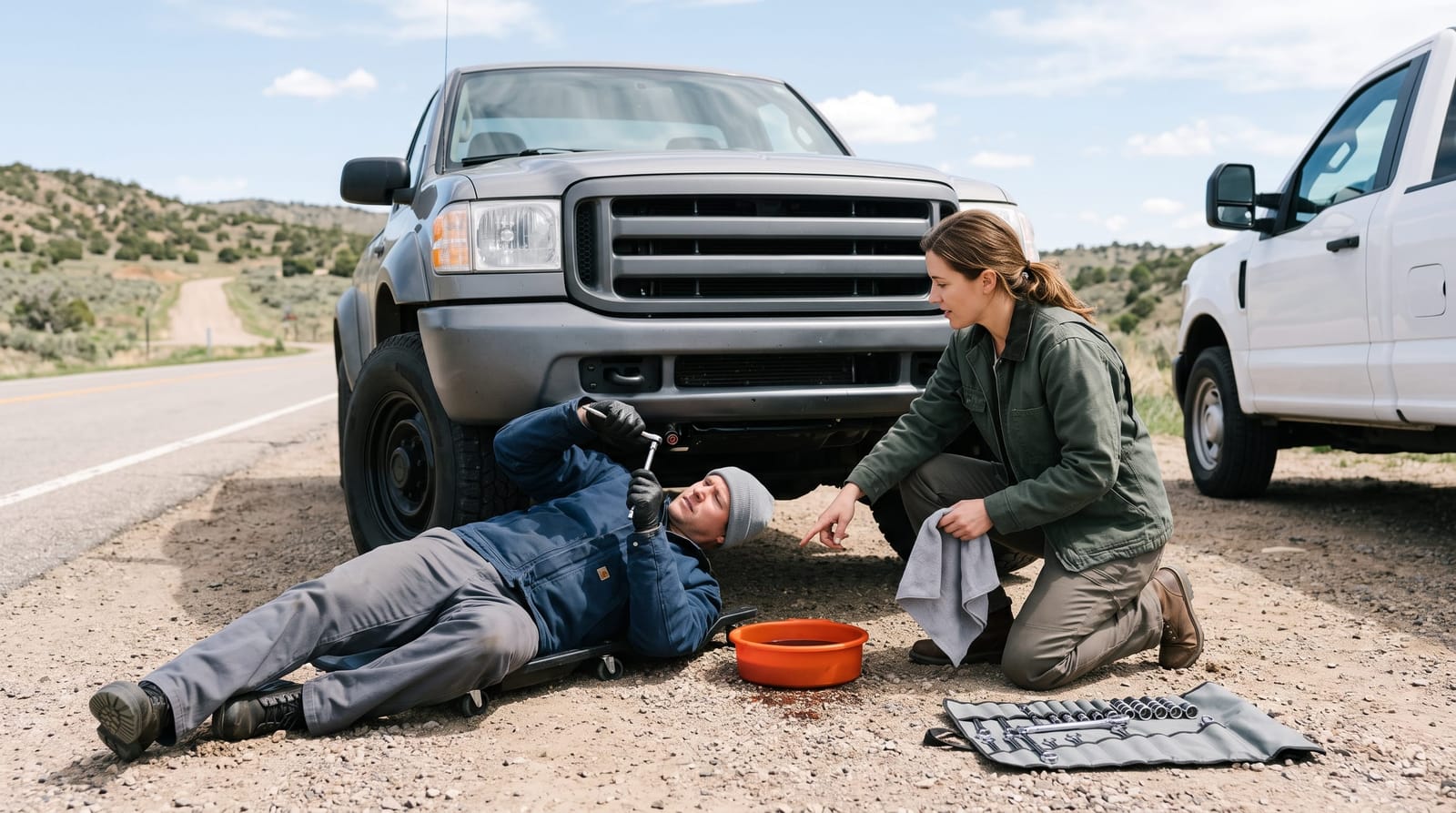
A transmission fluid leak is one of those problems that starts small and turns catastrophic fast. Whether you noticed a reddish puddle under your truck or your transmission has been slipping between shifts, a leak could be the root cause. As part of understanding overall transmission repair in Fort Lupton, CO, knowing how to spot a leak early, and why it matters, can save you thousands of dollars in rebuild costs. This beginner's guide walks you through the most common causes, how to identify the fluid, and what to do next.
What Causes a Transmission Fluid Leak?
Transmission fluid doesn't disappear on its own. When levels drop, there's always a source. Here are the most common culprits:
Pan Gasket Failure
The transmission pan sits at the bottom of your transmission and holds the fluid reservoir. A rubber or cork gasket seals the pan to the transmission housing. Over time, especially under the temperature swings Colorado drivers deal with, that gasket hardens, cracks, or warps. The result is a slow but steady drip from the bottom of the transmission. Pan gasket leaks are among the most common and, fortunately, among the least expensive to fix when caught early.
Worn or Damaged Seals
Your transmission has multiple seals: the front pump seal, rear main seal, axle seals, and more. These keep fluid inside the transmission as shafts and components rotate. Heat cycles, age, and high mileage all degrade rubber seals over time. A leaking front seal often leaves fluid on the bellhousing area between the engine and transmission. A leaking rear seal may be mistaken for an engine oil leak without a closer look. Diesel trucks and heavy-duty work vehicles tend to push seals harder due to towing loads and heat buildup.
Cracked or Loose Cooler Lines
Transmission fluid travels through metal or rubber lines to the transmission cooler, typically mounted in front of the radiator. These lines can crack from corrosion, vibration, or impact damage, especially on trucks that work off-road or on rough rural roads common in Weld County. A cooler line leak often sprays fluid rather than drips it, and can cause fluid loss fast enough to damage your transmission in a single drive if ignored.
Damaged Torque Converter
On automatic transmissions, the torque converter houses a significant volume of fluid. Cracks or seal failures in the converter can cause leaks that are difficult to diagnose without lifting the vehicle. This type of leak often requires partial disassembly to confirm.
How to Identify Transmission Fluid vs. Other Leaks
Not every puddle under your vehicle is transmission fluid. Here's a quick guide to telling them apart:
- Transmission fluid: Typically reddish or pink when fresh, darkening to brown or black as it ages. Has a slightly sweet, oily smell. Found near the center or rear underside of the vehicle.
- Engine oil: Dark brown to black, thicker texture. Usually found near the front of the vehicle or under the engine block.
- Coolant/antifreeze: Bright green, orange, or pink. Watery texture. Often found near the front of the vehicle and has a distinctly sweet smell.
- Power steering fluid: Similar red color to new transmission fluid but thinner, usually found near the front wheels or steering column area.
- Brake fluid: Clear to light yellow, slippery texture, typically found near wheels or master cylinder.
If you're unsure what you're looking at, place a clean piece of white cardboard under your vehicle overnight. The color, location, and texture of the stain in the morning will tell you a lot. When in doubt, a shop with proper lift access can pinpoint the source quickly.
Why Low Transmission Fluid Causes Irreversible Damage
Transmission fluid isn't just a lubricant: it's also a hydraulic fluid and a coolant for the transmission. It keeps clutch packs, bands, and planetary gears from grinding against each other, and it transfers power through the torque converter on automatic transmissions. When fluid levels drop, several things happen simultaneously:
- Increased heat: Fluid dissipates heat. Less fluid means temperatures spike rapidly inside the transmission.
- Loss of hydraulic pressure: Automatics rely on fluid pressure to engage gears. Low pressure causes slipping, delayed shifts, or failure to engage at all.
- Metal-on-metal wear: Without adequate lubrication, clutch packs and friction surfaces wear down and generate metal debris that circulates through the system.
- Valve body damage: Contaminants from worn components clog the valve body, which controls all hydraulic shift functions.
The cruel reality is that transmission damage from low fluid compounds itself. The hotter and drier it runs, the faster components fail, and by the time a driver notices symptoms like hard shifting or slipping, significant damage is often already done. A minor seal replacement that costs a few hundred dollars can escalate to a full rebuild if the leak goes unaddressed.
For diesel truck operators wondering about long-term fluid maintenance, understanding how often change transmission fluid diesel truck is also key to preventing the kind of fluid degradation that accelerates leak damage.
How Transmission Fluid Leak Repair Works
The repair process depends entirely on where the leak is coming from. Here's what a professional diagnosis and repair typically looks like:
- Visual inspection: A technician lifts the vehicle and looks for fluid trails, staining, and wet spots around seals, the pan, and cooler lines.
- Clean and trace: The underside is cleaned, and the vehicle is run or driven briefly to identify exactly where fresh fluid appears.
- Identify the source: Pan gasket, seal location, or line is confirmed before any parts are ordered.
- Repair or replace: Pan gaskets are replaced with proper torque specs. Seals are removed and replaced: some require transmission removal. Cooler lines are replaced or resealed depending on condition.
- Fluid service: The transmission is topped off or fully serviced with fresh fluid to the correct specification for that vehicle.
- Road test and recheck: The vehicle is driven and re-inspected to confirm the repair is holding before it leaves the shop.
For drivers dealing with transmission fluid leak repair in Fort Lupton, CO, Colorado Transmission & Diesel Specialists has been diagnosing and fixing leaks on both gas and diesel vehicles for over 21 years. Their team works on everything from daily drivers to heavy-duty work trucks across the North Denver Metro and Weld County area, and they have the lift capacity and diagnostic equipment to find leaks that less specialized shops miss.
Frequently Asked Questions
How do I know if my transmission is leaking or just seeping?
A seep leaves a slight residue or discoloration without forming drops or puddles. A true leak produces drips, puddles, or fluid trails on the underside of the vehicle. Both should be inspected, but an active drip requires prompt repair. Even a slow seep can become a full leak once heat and pressure increase during normal driving.
Can I drive with a transmission fluid leak?
It depends on the severity. If the leak is minor and you monitor fluid levels closely, you may be able to drive a short distance to a shop. However, driving with a significant leak, especially if the fluid level is already low, risks catastrophic transmission failure. When in doubt, have the vehicle towed rather than driven.
How much does transmission fluid leak repair cost?
Cost varies significantly based on the leak source. A pan gasket replacement may run $150-$350. Seal replacements range from $200 to over $1,000 depending on which seal and whether the transmission must be removed. Cooler line repairs typically fall in the $100-$400 range. Catching the leak early almost always costs less than waiting until internal damage occurs.
Does transmission stop-leak additive actually work?
Stop-leak additives work by swelling rubber seals to temporarily reduce leaking. They can buy time in a pinch but are not a permanent fix, and some formulas can damage transmission components or cause valve body issues over time. A professional repair addresses the actual failed component rather than masking the problem.
Don't Let a Small Leak Become a Big Rebuild
Transmission fluid leaks are one of the most preventable causes of major transmission failure. Whether it's a worn pan gasket, a cracked cooler line, or a failing rear seal, identifying the source early and fixing it properly keeps your vehicle reliable and your repair costs manageable. If you've spotted a puddle, noticed shifting issues, or want a professional set of eyes on your undercarriage, Colorado Transmission & Diesel Specialists in Fort Lupton is the local expert for transmission fluid leak repair in Fort Lupton, CO, and for everything else covered in our complete guide to transmission repair and rebuilds for Colorado drivers.