Transmission Rebuild vs. Replacement: Which Option Is Right for Your Truck or Car?
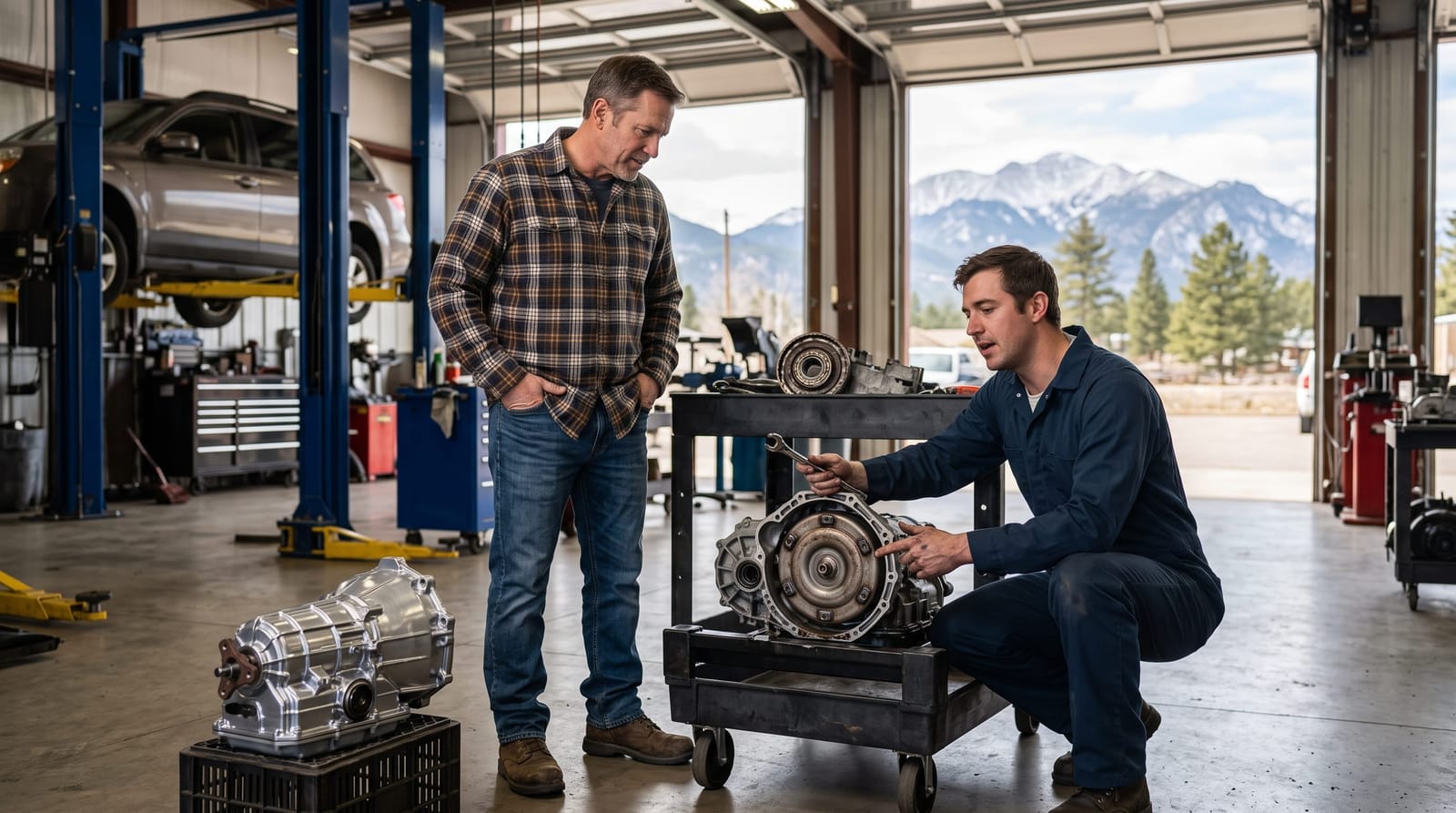
When your transmission starts slipping, shuddering, or refusing to shift, you're immediately faced with one of the most significant repair decisions a vehicle owner can make. Understanding the full picture of your options is a core part of navigating transmission repair in Fort Lupton, CO, and making a choice that actually fits your situation. The three paths in front of you are a transmission rebuild, a remanufactured unit swap, or a full replacement. Each carries a different price tag, a different timeline, and a very different long-term outcome depending on your vehicle, your mileage, and how you use your truck. This guide breaks down all three options side by side so you can walk into any shop, including ours, with a clear picture of what you're actually buying.
The Three Options Defined: Rebuild, Remanufactured, and Replacement
Before you can make a smart decision, you need to understand what these terms actually mean, because they're not interchangeable, and shops don't always use them consistently.
Transmission Rebuild
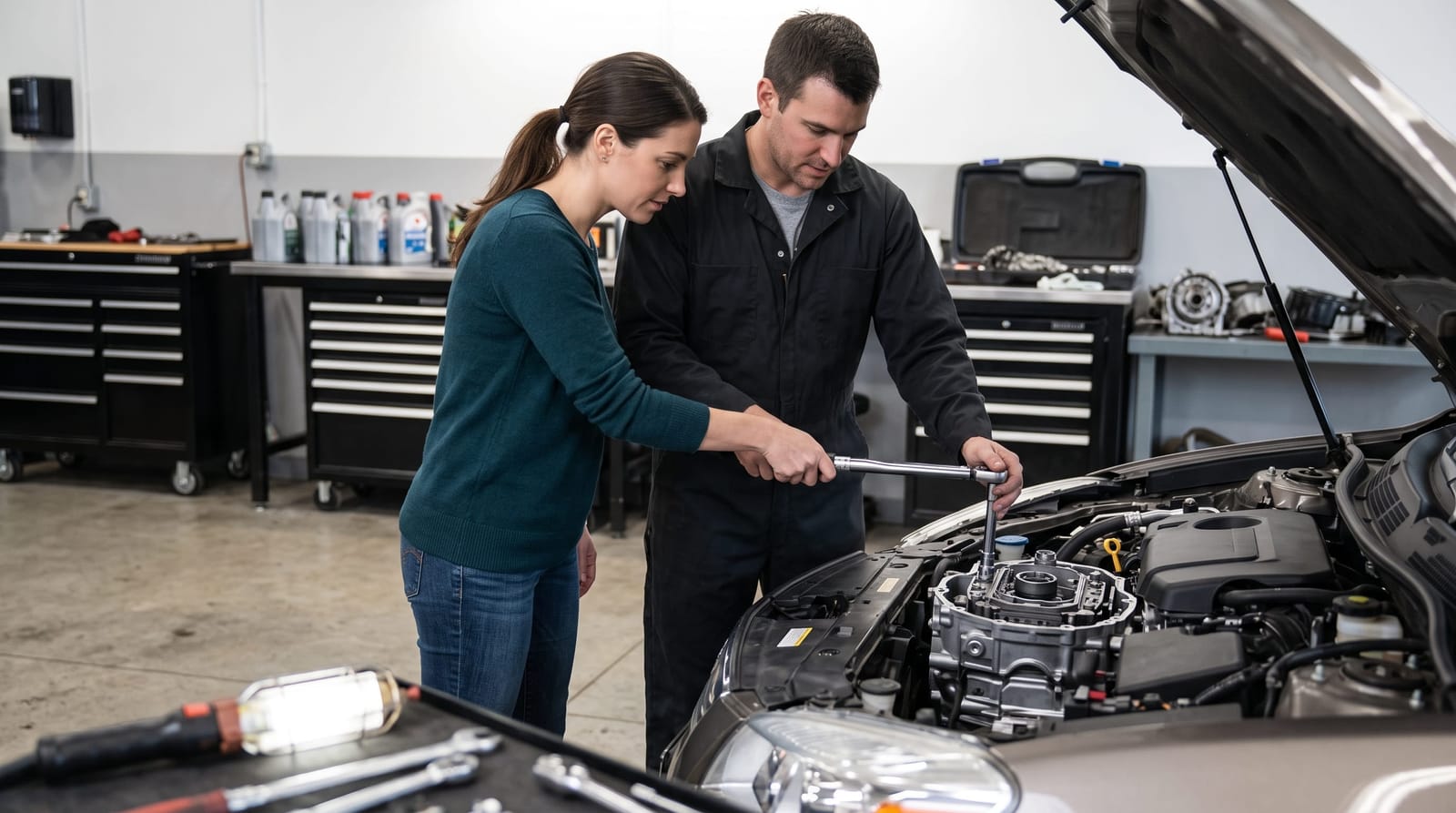
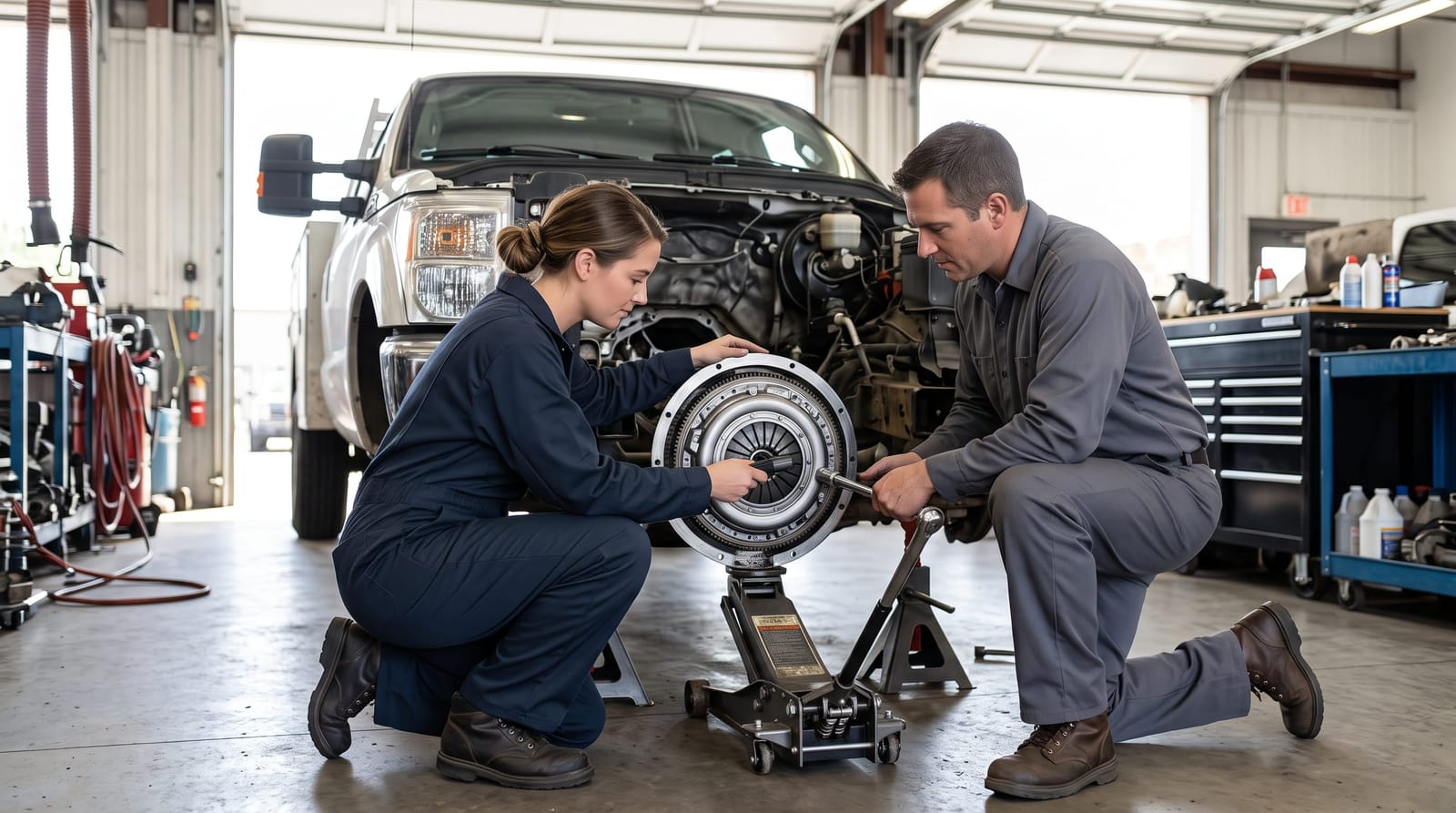
A rebuild means your existing transmission comes out of the vehicle, gets completely disassembled, and is inspected component by component. Worn, cracked, or failed parts, seals, clutch packs, bands, solenoids, gaskets, and sometimes hard parts like drums or planetary gears, are replaced. The unit is then reassembled and reinstalled in your vehicle. A quality rebuild isn't just about swapping minimum parts; it's about correcting known factory weaknesses before they cause the next failure. At CTDS, we use heavy-duty updated components during every rebuild, which means the unit coming back into your truck is often more durable than what left the factory originally.
Remanufactured Unit
A remanufactured transmission is built off-site at a production facility, typically using a large volume of cores from the same make and model. These units are rebuilt to factory spec, sometimes with updated parts, sometimes not, and shipped to a shop for installation. Quality varies widely by manufacturer. Some remanufactured units are excellent; others are built to a price point that prioritizes margin over longevity. Turnaround is usually faster since there's no waiting on the teardown and rebuild of your specific unit.
Full Replacement (Used or New)
A full replacement means pulling your transmission and dropping in a different unit entirely: either a salvage yard pull or, in rare cases, a brand-new OEM unit. Used transmissions from a junkyard carry unknown mileage history and may have the same wear patterns as the one you just removed. New OEM transmissions are available for some vehicles but are often the most expensive path by a significant margin. In most cases, replacement with a used unit is the least reliable of the three options.
Cost Comparison: What Colorado Drivers Actually Pay
Cost is almost always the first question, and the numbers vary considerably depending on vehicle type, transmission complexity, and the shop doing the work. Here's a realistic breakdown based on what Colorado drivers typically encounter for transmission rebuild vs replacement Colorado jobs:
- Transmission Rebuild: Typically ranges from $1,800 to $3,500 for most passenger vehicles and light trucks. Heavy-duty diesel pickups, like the 6.7 Powerstroke or Duramax-equipped trucks: can run $3,000 to $5,500 or more depending on the extent of internal damage and the upgraded components required.
- Remanufactured Unit: Generally runs $2,500 to $4,500 installed, but mid-tier remanufactured units often use the same factory-spec parts that failed in the first place: meaning you may be paying close to rebuild prices for a unit that doesn't address known design flaws.
- Used Transmission Replacement: Parts cost can appear low, sometimes $400 to $1,200 for the unit itself, but labor to remove and reinstall still applies, and there's no warranty on the internal condition. Total installed cost often lands between $1,200 and $2,500, but the risk profile is substantially higher.
- New OEM Transmission: Can exceed $5,000 to $8,000 or more for heavy-duty applications before labor, making this the least cost-effective option for most vehicles outside of a manufacturer warranty scenario.
For a deeper look at what drives rebuild pricing specifically, our guide on transmission rebuild cost Colorado breaks down the line items in detail.
When a Rebuild Is the Smarter Choice
For the majority of vehicles, and especially high-mileage diesel trucks used for towing, hauling, or work, a quality rebuild is the most financially and mechanically sound option. Here's why:
Your Core Case Is Intact
If your transmission housing, valve body, and major hard parts are in serviceable condition, you have an excellent foundation for a rebuild. Replacing only what's failed, plus upgrading wear items proactively, can yield a transmission that outlasts factory longevity by a significant margin. Studies from fleet operators show that properly rebuilt transmissions with upgraded clutch materials and updated shift solenoids frequently exceed 150,000 miles post-rebuild when properly maintained.
Known Factory Flaws Can Be Corrected
This is where a professional rebuild genuinely outperforms a remanufactured or used replacement. Many transmission failures aren't random: they're predictable. The 68RFE in Cummins-powered Ram trucks, for example, has well-documented weaknesses in the overrun clutch pack and accumulator spring design. A shop that specializes in diesel and heavy-duty work knows these failure points and addresses them during the rebuild with upgraded billet components: something a factory-spec remanufactured unit doesn't do. CTDS's rebuild process specifically incorporates these corrections for the trucks we see most frequently in the Fort Lupton and Weld County area.
High-Mileage Diesel Pickups
Diesel trucks routinely run 200,000 to 400,000 miles when properly maintained. If your truck is at 180,000 miles but the engine is strong and the frame is solid, installing a used transmission with unknown history is a gamble that rarely pays off. A rebuild, properly done with heavy-duty components, lets your transmission match the longevity you're expecting from the rest of the drivetrain.
When Replacement Makes Sense
There are legitimate scenarios where a rebuild isn't the right call, and it's worth being honest about those cases:
Catastrophic Internal Damage
If a transmission failure resulted in significant debris contamination throughout the unit, shattered planetary gears, spun bearings, or a cracked case, the cost of hard part replacement can push a rebuild past the price of a quality remanufactured unit. In these situations, a reputable remanufactured transmission from a known supplier with a documented warranty may be the better path. A good shop will give you both numbers so you can compare apples to apples.
Availability and Turnaround Time
For work trucks and commercial vehicles where downtime means lost revenue, a remanufactured unit that can be installed within 24 to 48 hours may justify the price premium over waiting 5 to 7 business days for a full rebuild teardown and reassembly. If your livelihood depends on your truck being back on the road, turnaround time is a legitimate factor in the equation.
Low Vehicle Value
If the vehicle's current market value is significantly lower than the cost of any rebuild or replacement option, the math stops working regardless of which route you choose. A $1,500 passenger car doesn't justify a $2,800 rebuild, and a quality shop will tell you that honestly rather than take your money.
The CTDS Rebuild Process: What Sets It Apart
Not all rebuilds are equal. The difference between a transmission that fails again in 40,000 miles and one that runs trouble-free for 150,000 miles comes down to the process, the parts, and the expertise behind the work.
Complete Disassembly and Inspection
Every rebuild at CTDS starts with a full teardown, not a partial inspection. Every component is evaluated, measured, and compared against manufacturer tolerances. This step alone catches problems that a visual inspection or road test will never surface. Want to understand exactly what this process looks like internally? Our breakdown of what happens during a transmission rebuild walks through each phase in detail.
Heavy-Duty Updated Components
Where factory parts have known failure rates, we install upgraded alternatives: hardened clutch packs, billet steel drums, improved solenoid kits, and updated valve body components designed to handle the torque loads that heavy-duty trucks actually see. This isn't upselling; it's building the transmission to perform at the level the vehicle is actually being used.
Diesel and Work Truck Specialization
CTDS focuses heavily on diesel pickups and commercial work trucks: the Duramax, Powerstroke, and Cummins platforms that dominate the Fort Lupton and Weld County market. This specialization means our technicians understand the specific failure modes of these platforms and build each unit to handle towing, hauling, and high-load duty cycles. For drivers also dealing with related drivability concerns, our guide to automatic transmission repair Fort Lupton covers diagnostic procedures and what to expect from the process.
Side-by-Side Comparison: Rebuild vs. Remanufactured vs. Replacement
| Factor | Rebuild | Remanufactured | Used Replacement |
|---|---|---|---|
| Cost Range (installed) | $1,800-$5,500+ | $2,500-$4,500 | $1,200-$2,500 |
| Factory Flaw Correction | Yes (shop-dependent) | Rarely | No |
| Known Component History | Yes | Partial | No |
| Turnaround Time | 5-7 business days | 1-3 days | 1-2 days |
| Best For | High-mileage work trucks, diesels | Time-sensitive, mid-range vehicles | Low-value vehicles only |
| Warranty Potential | High (shop-backed) | Varies by supplier | Low to none |
Related Topics Worth Exploring
If you're weighing transmission options, the following topics from this cluster can help you build a complete picture before making any decisions:
- Transmission Rebuild Cost in Colorado: A detailed breakdown of what drives rebuild pricing, what's included in a quality estimate, and how to evaluate competing quotes.
- What Happens During a Transmission Rebuild: A step-by-step look at the teardown, inspection, parts replacement, reassembly, and testing process so you know exactly what you're paying for.
Conclusion: Make the Decision That Serves Your Truck Long-Term
For most Colorado drivers, especially those running diesel pickups, work trucks, or high-mileage vehicles with solid engines and frames, a professional rebuild using heavy-duty updated components is the most cost-effective and durable path forward. Remanufactured units have their place when time is critical or internal damage is severe. Used replacements are a last resort, not a savings strategy. The key is getting an honest assessment from a shop that specializes in the platforms you're actually driving.
CTDS serves Fort Lupton, Weld County, and the North Denver Metro with transmission rebuild and repair services focused specifically on diesel trucks and heavy-duty vehicles. If you're facing a transmission decision and want a straight answer about what your specific vehicle actually needs, contact our team to schedule a diagnostic inspection and get a clear recommendation you can trust.