Manual Transmission & Clutch Repair in Weld County: What Every Stick-Shift Driver Should Know
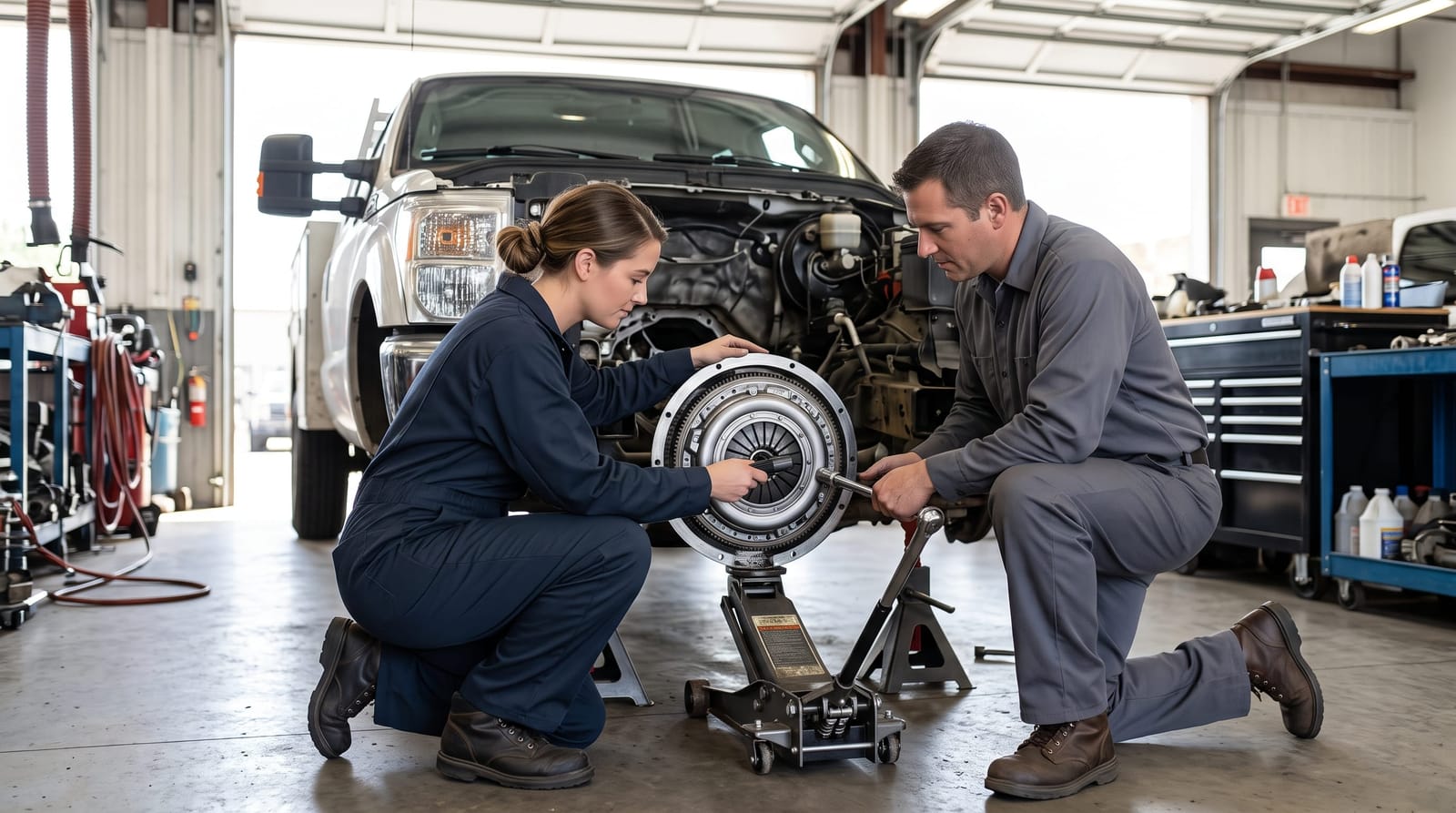
If you drive a diesel pickup, a performance car, or any stick-shift vehicle in Weld County, CO, your clutch system is one of the hardest-working components under your vehicle. Understanding how it functions, and when it needs attention, can save you from a breakdown on Highway 52 or a costly emergency repair down the road. This beginner's guide to manual transmission clutch repair in Weld County, CO walks you through how your clutch works, what warning signs to watch for, what service actually involves, and how to extend the life of your drivetrain. Whether you're towing a trailer across Weld County's plains or just enjoy the control of rowing through the gears, this guide is built for you. For a broader look at all drivetrain services, visit our pillar guide on Transmission Repair & Rebuilds in Fort Lupton, CO.
How a Manual Transmission and Clutch System Actually Work
Before you can understand what goes wrong, it helps to understand what's going right. Your manual transmission relies on a clutch system to connect and disconnect engine power from the gearbox, allowing you to shift between gears smoothly without damaging internal components.
The Core Components
- Clutch disc: A friction disc that presses against the flywheel to transfer engine torque to the transmission input shaft.
- Pressure plate: A spring-loaded clamp that holds the clutch disc firmly against the flywheel when the pedal is released.
- Flywheel: A heavy rotating disc bolted to the engine crankshaft. It provides a smooth friction surface for the clutch disc.
- Release bearing (throw-out bearing): Engages the pressure plate fingers when you press the clutch pedal, releasing the disc.
- Hydraulic or cable linkage: Transfers your pedal input to the release bearing. Most modern vehicles, including diesel pickups, use a hydraulic system with a master cylinder and slave cylinder.
When these components work in harmony, clutch engagement is smooth, gear changes are precise, and power transfer is efficient. When any one of them wears or fails, the entire system suffers. Studies from automotive research groups estimate that clutch-related repairs account for roughly 15-20% of all manual transmission service calls, making it one of the most common maintenance items for stick-shift vehicles.
Warning Signs Your Clutch or Manual Transmission Needs Attention
Most clutch problems don't appear overnight. They develop gradually, which means paying attention to small changes in how your vehicle behaves can save you from a full system failure. Here are the most common red flags that drivers in Weld County should know.
Slipping Clutch
If your engine RPMs climb without a proportional increase in vehicle speed, especially under load, your clutch disc is likely worn past its friction material. This is especially common in diesel trucks used for towing, where clutch loads are significantly higher than in passenger cars. A worn clutch disc can lose 2-3mm of friction material before full slippage occurs, which can happen gradually over tens of thousands of miles.
Difficulty Shifting or Grinding Gears
If the clutch isn't fully disengaging when you press the pedal, you'll feel resistance when moving the shifter, or you may hear grinding as gears clash. This is often caused by a failing hydraulic clutch master or slave cylinder, low hydraulic fluid, or a warped pressure plate.
Clutch Pedal Feels Wrong
- Spongy or soft pedal: Usually indicates air in the hydraulic line or a failing master cylinder.
- Stiff or heavy pedal: Can point to a seized cable, a failing release bearing, or a pressure plate issue.
- Pedal that sinks to the floor: Often means hydraulic fluid loss: check for leaks around the master or slave cylinder.
Unusual Noises
A chirping or rattling noise when the clutch pedal is depressed often points to a worn release bearing. A rumbling or grinding sound during pedal engagement suggests flywheel wear or clutch disc failure. Don't ignore these: catching them early can mean the difference between a bearing replacement and a full clutch kit plus flywheel resurfacing.
What Manual Transmission Clutch Repair Actually Involves
For many drivers, "clutch repair" sounds like a vague, intimidating service. In reality, it's a well-defined process, though it does require significant labor because the transmission must be removed from the vehicle to access the clutch assembly.
The Clutch Inspection and Diagnosis Process
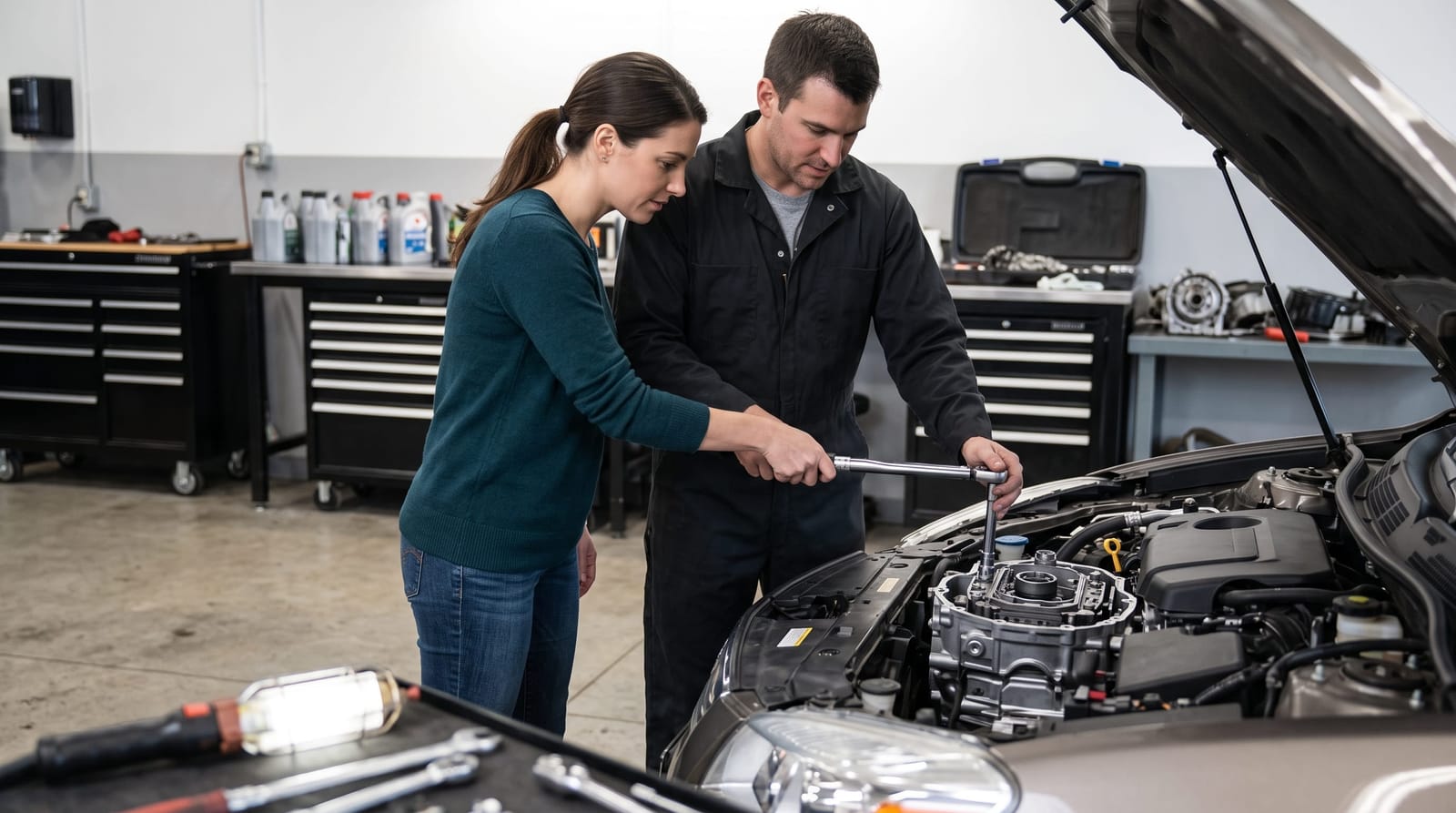
A proper diagnosis starts before any teardown. A technician will perform a road test to assess clutch engagement point, check pedal feel, inspect the hydraulic system for leaks, and listen for noise. At CTDS, diagnostics on manual transmission systems begin with a thorough inspection of the hydraulic lines, fluid condition, and linkage before any major disassembly: avoiding unnecessary repair costs.
Clutch Kit Replacement
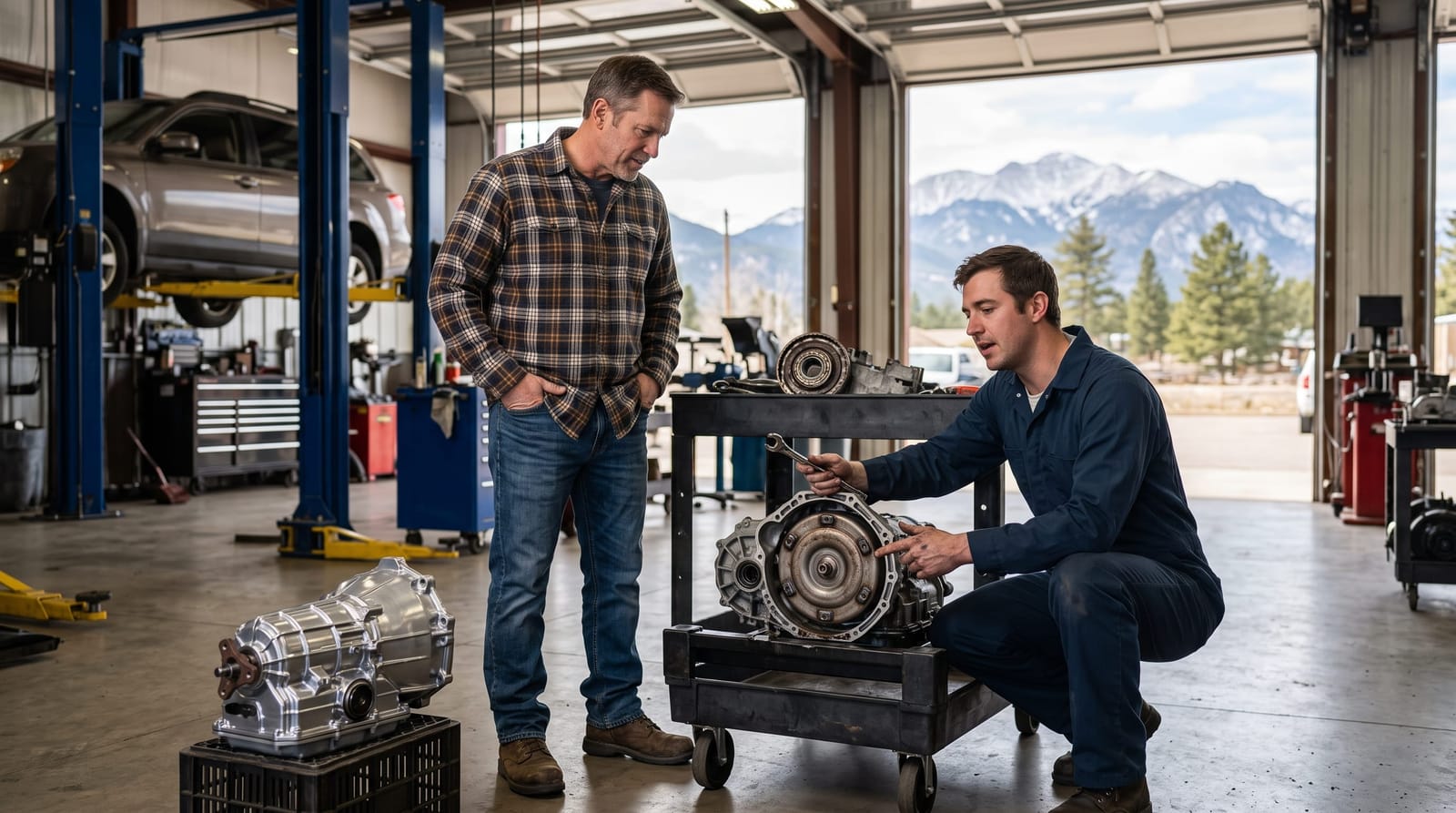
When the clutch disc, pressure plate, and release bearing are replaced together, it's called a clutch kit replacement. Replacing all three components at the same time is standard practice because the labor to access them is the same whether you replace one piece or all three. Most quality clutch kits for diesel pickups, like those used in 6.7 Cummins or 6.6 Duramax trucks: are designed for higher torque loads than standard passenger car kits. If you're wondering about the investment involved, our detail post on clutch replacement cost near Brighton & Firestone breaks down what drivers in this region should expect to budget.
Flywheel Service
The flywheel is inspected whenever a clutch is replaced. If it shows heat cracks, deep scoring, or hot spots, common in trucks that do a lot of towing or trailer pulling, it either gets resurfaced on a lathe or replaced entirely. A flywheel that's too thin after resurfacing must be replaced; running an undersized flywheel is a safety concern that no reputable shop will overlook.
Hydraulic Clutch System Repairs
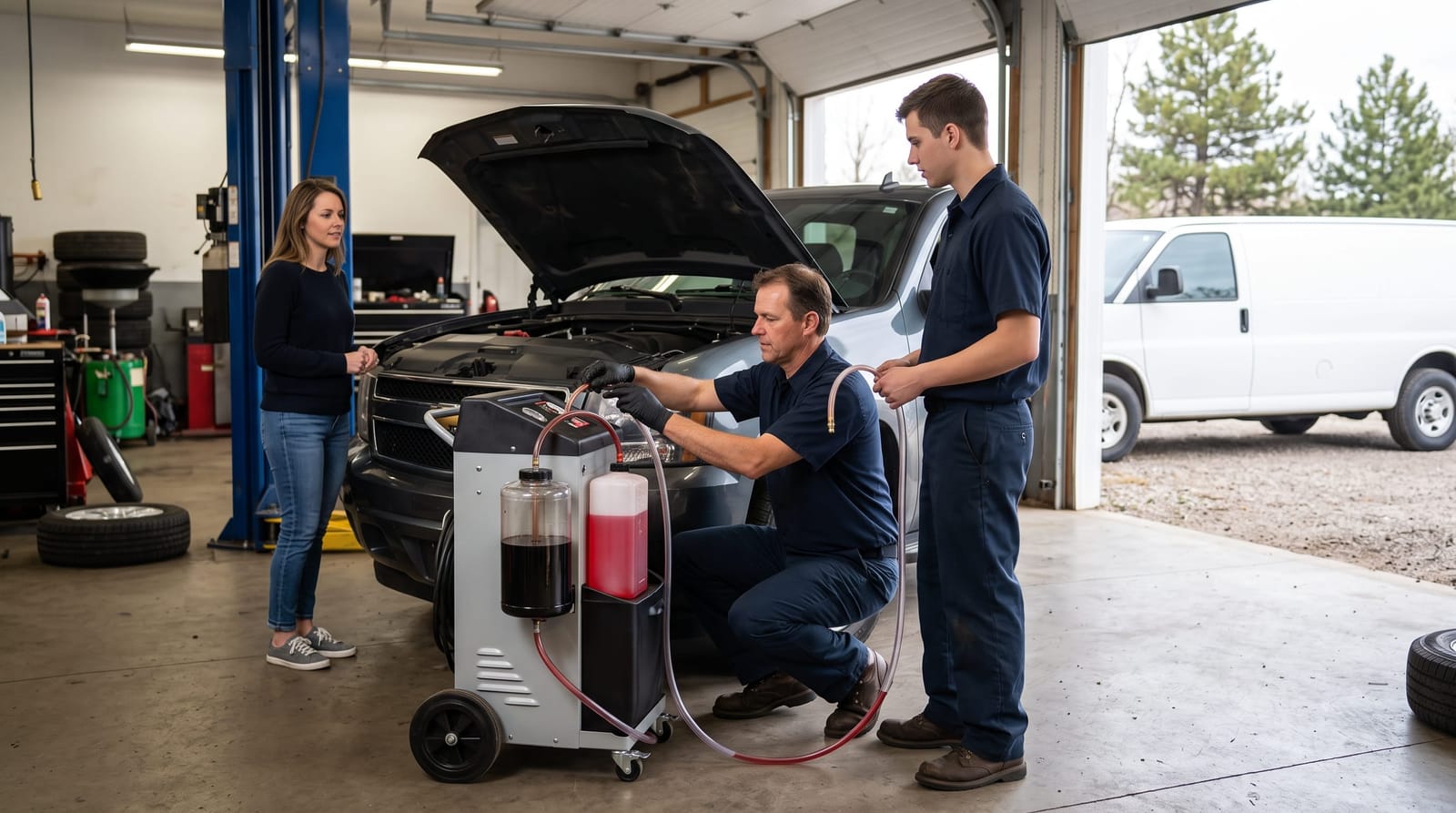
Vehicles with hydraulic clutch systems (which includes most diesel pickups made in the last 25 years) have a master cylinder near the pedal and a slave cylinder near the transmission. These can leak internally or externally, causing a soft pedal, incomplete clutch release, or fluid loss. Replacing these cylinders, bleeding the hydraulic line, and refilling with fresh fluid is often all it takes to restore crisp pedal feel.
Clutch Lifespan: What to Realistically Expect
One of the most common questions stick-shift drivers ask is: "How long should my clutch last?" The honest answer is that it depends heavily on how and where you drive.
Under normal driving conditions, most clutch assemblies last between 50,000 and 100,000 miles. However, several Weld County-specific factors can significantly shorten that range:
- Towing and hauling: Regularly towing heavy trailers, common among agricultural and construction workers in Weld County, puts extreme strain on the clutch disc, often cutting service life to 40,000-60,000 miles or less.
- Stop-and-go driving: Frequent partial engagement in traffic or on hilly terrain accelerates friction material wear.
- Riding the clutch: Resting your foot on the clutch pedal while driving keeps the release bearing in contact with the pressure plate, wearing both components prematurely.
- Performance modifications: Higher-horsepower engine builds require upgraded clutch kits; a stock clutch on a modified diesel can fail in as few as 20,000-30,000 miles under heavy use.
If you're deciding between a manual and automatic for a towing application, our guide on manual vs. automatic transmission for towing in Colorado offers a side-by-side comparison that's worth reading before your next vehicle purchase or conversion decision.
Manual Transmission Maintenance Tips for Weld County Drivers
The good news about manual transmissions is that with proper care, they're incredibly durable, often outlasting automatic transmissions in comparable applications. Here are practical steps you can take to extend the life of your clutch and gearbox.
Gear Oil Changes
Unlike automatics, manual transmissions don't have a torque converter fluid, but they do use gear oil to lubricate the internal bearings, shafts, and synchronizers. Most manufacturers recommend changing manual transmission fluid every 30,000 to 60,000 miles, though heavy-duty use may call for more frequent intervals. Fresh gear oil helps synchronizers shift smoothly and prevents metal-on-metal wear inside the case.
Clutch Adjustment and Hydraulic Fluid Checks
On hydraulic systems, check the clutch master cylinder reservoir periodically: it's often located near the brake master cylinder under the hood. Low fluid is a sign of a leak somewhere in the system, not just normal consumption. On older cable-actuated systems, the cable may need periodic adjustment to maintain proper pedal travel and engagement point.
Driving Habits That Protect Your Clutch
- Fully engage and disengage the clutch: avoid "riding" it during slow traffic.
- Don't use the clutch to hold position on a hill; use the brake instead.
- Match engine RPMs when downshifting ("rev-matching") to reduce shock load on the drivetrain.
- When towing, start from first gear and shift smoothly to minimize slippage under load.
Why Local Manual Transmission Expertise Matters in Weld County
Manual transmission and clutch repair isn't a commodity service: it requires hands-on diagnostic skill and familiarity with the diverse range of vehicles driven in this region. From diesel-powered work trucks to performance imports, CTDS in Fort Lupton serves the full spectrum of stick-shift drivers across Weld County with the specialized knowledge these drivetrain systems demand.
Unlike general repair shops that handle clutch jobs infrequently, a transmission specialist brings pattern recognition to diagnosis: knowing, for example, that a 2015 Ram 2500 6-speed manual with a soft pedal is almost always a slave cylinder issue before the first test drive is complete. That depth of experience shortens diagnosis time, reduces the risk of misdiagnosis, and gets your truck back on the road faster.
If your vehicle has an automatic, or if you're comparing your options after a major drivetrain event, our post on automatic transmission repair in Fort Lupton covers that side of the equation in the same detail. And if your transmission damage is significant enough that you're weighing a full rebuild, our breakdown of transmission rebuild vs. replacement in Colorado will help you make an informed decision.
Related Topics Worth Exploring
This guide covers the fundamentals, but there's more to learn depending on your specific situation. If you're comparing drivetrain options for a towing rig, check out manual vs. automatic transmission for towing in Colorado: a detailed look at which setup handles Colorado's conditions best. For a straightforward look at what clutch replacement will run you in this part of the state, our post on clutch replacement cost near Brighton & Firestone provides realistic pricing context for local drivers.
Key Takeaways and Next Steps
Manual transmissions are reliable, efficient, and, when properly maintained, exceptionally long-lived. But they do require attention when clutch wear, hydraulic issues, or gear oil degradation set in. Knowing the warning signs (slipping, grinding, soft pedal, unusual noises), understanding what service involves, and following basic maintenance habits will keep your stick-shift vehicle operating at its best for well over 100,000 miles in many cases.
If you're noticing any of the symptoms described in this guide, don't wait for a full failure. Contact CTDS in Fort Lupton to schedule a manual transmission and clutch inspection. We serve drivers throughout Weld County, from Greeley and Evans to Platteville and Brighton, with honest diagnostics and experienced transmission repair you can rely on.