Automatic Transmission Repair in Fort Lupton: Symptoms, Diagnosis & What to Expect
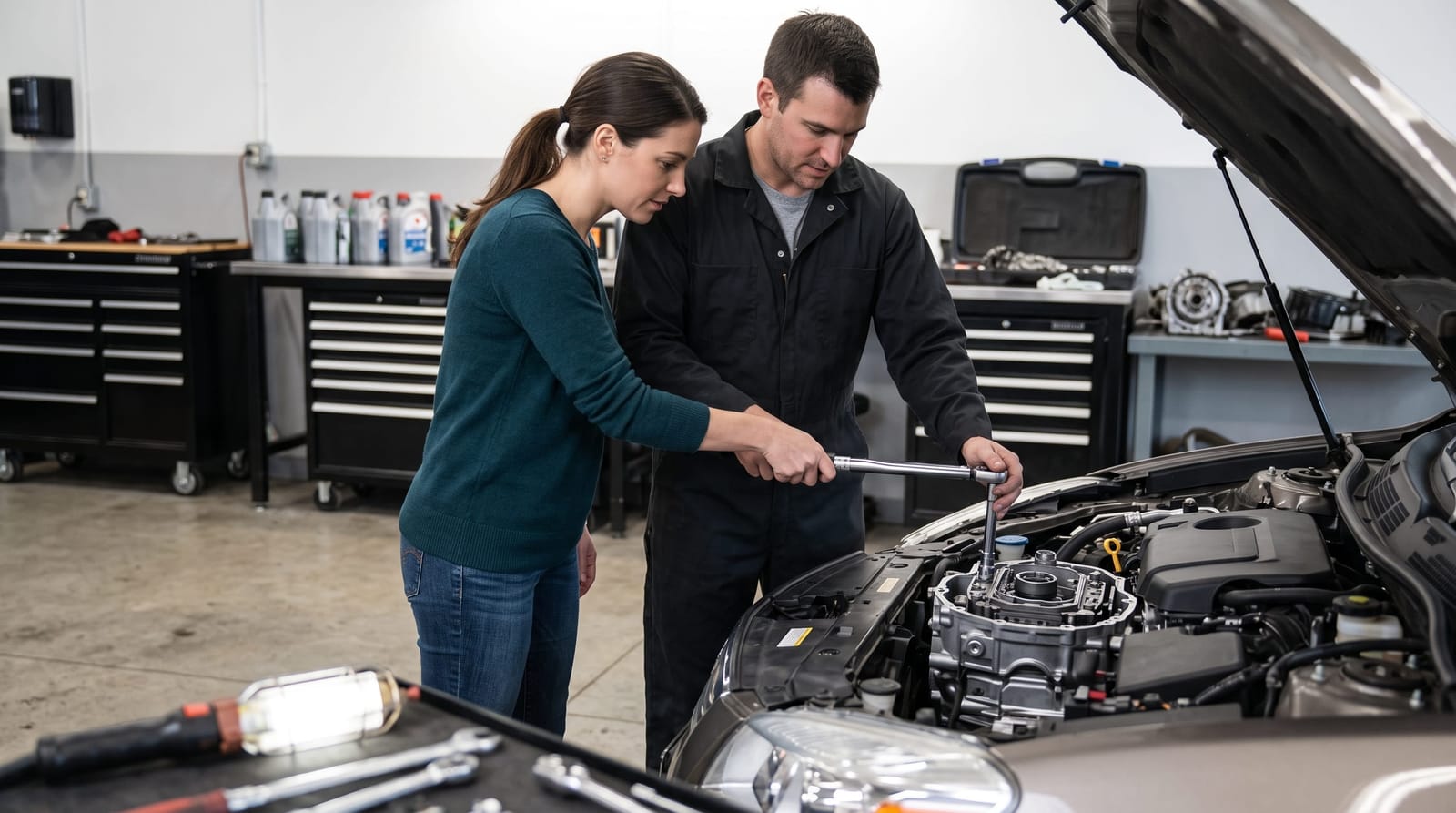
Your automatic transmission is one of the most mechanically complex systems in your vehicle, and one of the most expensive to replace if neglected. For drivers in Fort Lupton and across Weld County, understanding the early warning signs of automatic transmission trouble can be the difference between a manageable repair and a full-unit replacement costing thousands of dollars. This guide is part of our complete resource on transmission repair in Fort Lupton, CO, and it takes a deep dive into everything you need to know about automatic transmission problems: what the symptoms look like, how a shop diagnoses the root cause, what the repair or rebuild process actually involves, and how to approach the cost conversation with confidence. Whether you're driving a daily commuter sedan or a heavy-duty diesel work truck, the fundamentals here apply, and the stakes are high enough that every driver should be informed.
Why Automatic Transmissions Fail: The Root Causes Colorado Drivers Need to Understand
Automatic transmissions contain hundreds of moving parts, clutch packs, solenoids, valve bodies, torque converters, planetary gear sets, and more, all working together under extreme heat and pressure. According to industry data, heat is responsible for roughly 90% of automatic transmission failures. In Colorado's climate, where temperatures swing dramatically between seasons and vehicles regularly tow or haul in high-altitude conditions, that thermal stress is amplified.
There are several primary failure pathways that transmission specialists see repeatedly:
Fluid Degradation and Neglect
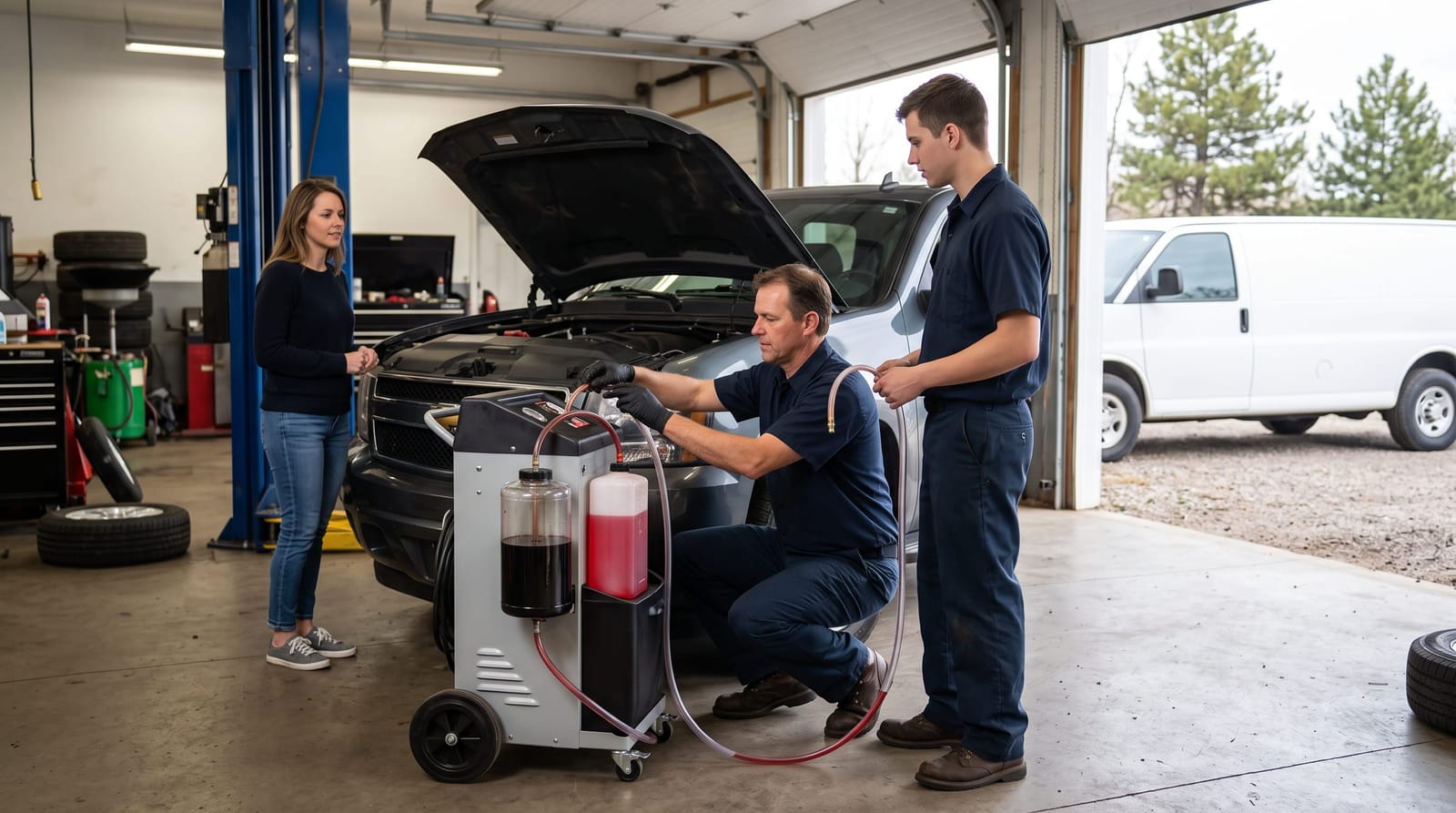
Automatic transmission fluid (ATF) does triple duty: it lubricates, cools, and provides the hydraulic pressure that actually shifts the gears. Most manufacturers recommend ATF service intervals between 30,000 and 60,000 miles, but many drivers go well beyond that. Degraded fluid loses its viscosity and its ability to protect metal surfaces, accelerating wear across every internal component. Low fluid caused by an undetected leak compounds the problem further, and driving even a short distance with critically low fluid can cause catastrophic internal damage.
Electronic and Solenoid Failures
Modern automatic transmissions are electronically controlled. The transmission control module (TCM) communicates with dozens of sensors and actuators, including shift solenoids that direct hydraulic fluid to the correct clutch packs at precisely the right moment. A single failed solenoid can cause erratic shifting, slipping, or a complete failure to engage a gear. These electronic failures are often misdiagnosed by shops that lack the right diagnostic equipment, leading to unnecessary part replacements.
Mechanical Wear and Hard Use
Towing heavy loads, off-road driving, and stop-and-go traffic patterns accelerate clutch pack wear and torque converter stress. In Fort Lupton and surrounding Weld County communities, where agriculture, construction, and oilfield work are common industries, trucks and work vehicles often operate under conditions that push transmissions harder than average passenger car use.
Automatic Transmission Warning Symptoms: What to Watch and Listen For
Catching transmission problems early is the single most effective way to control repair costs. The challenge is that many symptoms start subtly and are easy to rationalize away. Here's a breakdown of the warning signs that should prompt an immediate inspection for automatic transmission repair in Fort Lupton or wherever you're located:
Slipping Gears
Gear slipping is one of the most commonly reported automatic transmission symptoms. You'll notice the engine revving higher than normal without a corresponding increase in vehicle speed, or the transmission seeming to fall out of the gear it should be holding. This often indicates worn clutch packs, low fluid pressure, or solenoid problems. Importantly, driving with a slipping transmission carries real risks, to your safety, and to the transmission itself, where continued slipping generates heat that accelerates internal damage.
Delayed or Harsh Engagement
When you shift from Park to Drive or Reverse and there's a noticeable pause before the vehicle moves, or a hard clunk when it does engage, that's a red flag. A healthy automatic transmission should engage smoothly within a second. Delays longer than 2-3 seconds, or engagement accompanied by a jarring jolt, typically point to fluid pressure issues, worn bands, or TCM problems.
Rough or Erratic Shifting
Automatic transmissions are designed to shift almost imperceptibly under normal conditions. If you're feeling hard shifts between gears, unexpected downshifts, or the transmission hunting back and forth between two gears, something is wrong. This symptom is frequently traced to dirty fluid, a failing solenoid pack, or valve body wear.
Warning Lights and Diagnostic Codes
The Check Engine light doesn't always mean an engine problem. A significant percentage of Check Engine codes, including P0700 through P0799 series codes, are transmission-related fault codes. The transmission warning light, where equipped, is a direct indicator. Neither light should be ignored or reset without reading the stored fault codes first, as those codes provide critical diagnostic starting points.
Fluid Leaks, Color, and Smell
Healthy ATF is typically red or pink and has a slightly sweet smell. Fluid that has turned brown, smells burnt, or contains visible metal particles is a serious warning sign indicating internal damage is already occurring. A puddle of red fluid under your vehicle's center or rear is almost certainly a transmission leak and warrants immediate attention.
How Advanced Electronic Diagnostics Change the Repair Equation
One of the most important, and least understood, aspects of transmission repair is the diagnostic phase. Misdiagnosis is expensive. A shop that replaces a solenoid when the actual problem is a cracked valve body, or rebuilds a transmission when the root cause was an external wiring harness fault, wastes your money and your time. This is where the diagnostic capability of the shop you choose matters enormously.
What a Proper Transmission Diagnostic Involves
A thorough automatic transmission diagnosis at a specialist shop typically includes several layers:
- Electronic code scanning: Reading all stored and pending fault codes from the TCM and ECM, not just generic OBD-II codes but manufacturer-specific enhanced codes that provide much more precise failure data.
- Live data monitoring: Watching real-time sensor data during a test drive, including line pressure readings, solenoid duty cycles, turbine speed, and output shaft speed, to catch intermittent faults that won't appear in stored codes alone.
- Hydraulic pressure testing: Measuring actual line pressure at specific ports to confirm whether the valve body and pump are generating correct hydraulic pressure across all operating conditions.
- Visual and fluid inspection: Examining the fluid condition and pan contents for metal particles, clutch material, or other debris that indicates the type and severity of internal wear.
- Stall speed testing: A controlled test that evaluates torque converter performance and clutch pack holding capacity.
Colorado Transmission & Diesel Specialists (CTDS) has been performing this level of systematic automatic transmission diagnosis in Fort Lupton for over 27 years. That depth of hands-on experience matters because experienced technicians recognize failure patterns across hundreds of transmission models: patterns that raw code data alone won't always reveal.
Repair vs. Rebuild: Understanding Your Options
Once a complete diagnosis is in hand, the next step is determining the right scope of repair. This is a spectrum, not a binary choice, and an honest shop will walk you through the options based on what the diagnosis actually shows, not what generates the most revenue.
Targeted Component Repair
If the diagnosis points to a specific, isolated failure, a single solenoid, an external speed sensor, a leaking external seal or gasket, a targeted repair may fully resolve the problem at a fraction of the cost of a full rebuild. These repairs are appropriate when the transmission's core mechanical components are otherwise in good condition and the fluid history suggests the unit hasn't been subjected to severe neglect or overheating.
Partial or Soft Rebuild
When internal wear is more widespread but the hard parts (case, valve body, pump, planetary gear sets) are serviceable, a soft rebuild, replacing all friction materials, seals, gaskets, and wear items while cleaning and inspecting the hard parts, can restore reliable performance. This is often the right call for higher-mileage vehicles where a targeted repair would likely be followed by additional failures in the near future.
Full Transmission Rebuild
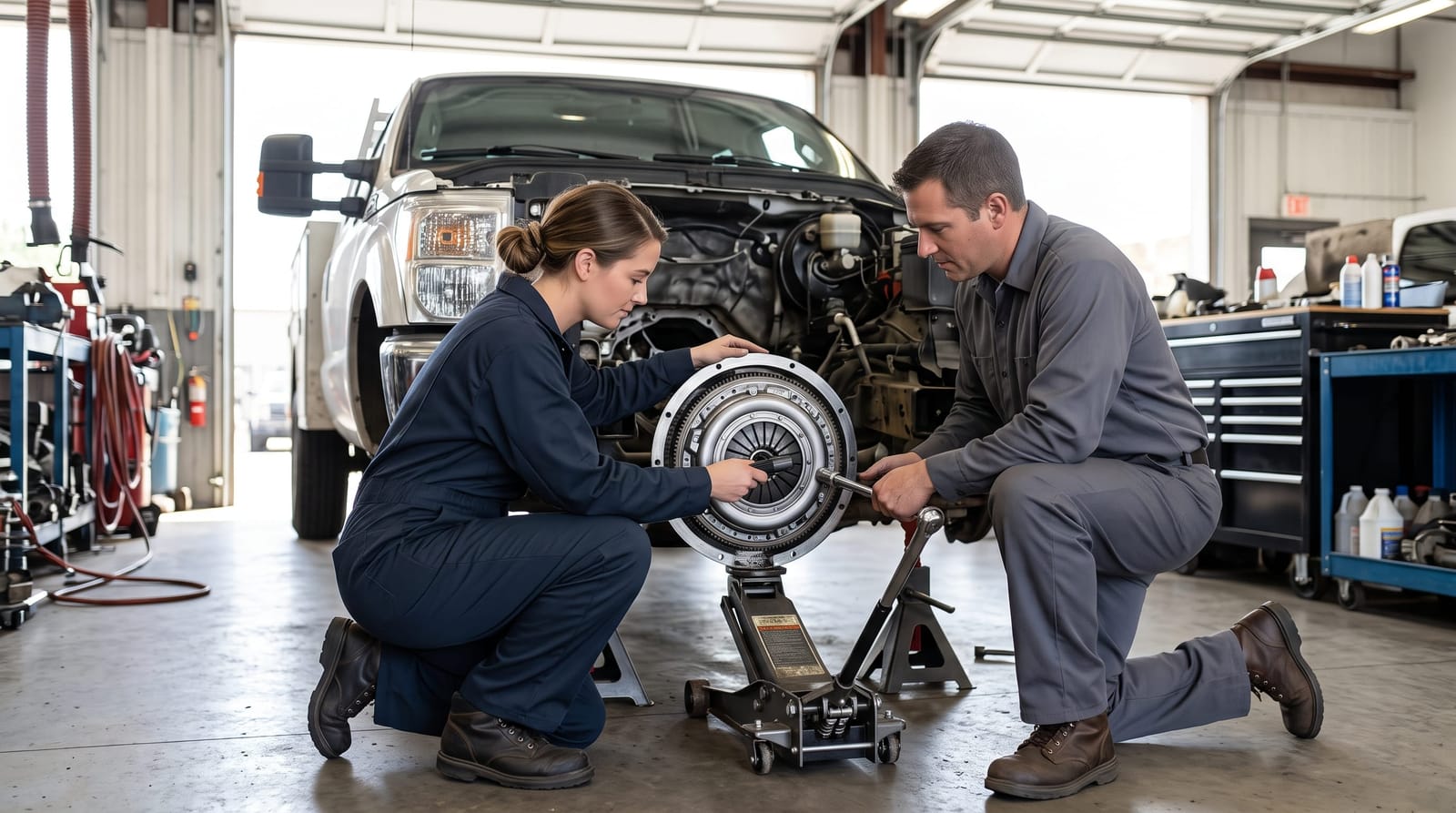
A complete rebuild involves fully disassembling the transmission unit, machining or replacing worn hard parts, replacing all friction and sealing components, reassembling to manufacturer specifications, and testing before reinstallation. This is the appropriate choice when internal damage is extensive, when the unit has significant heat damage, or for performance and heavy-duty applications where maximum durability is the goal. CTDS's 27-plus years of rebuilding experience in Fort Lupton means this process is handled by technicians who have rebuilt the same transmission families hundreds of times.
Remanufactured Unit Replacement
In some cases, particularly when a vehicle's transmission model has known design weaknesses, or when a rebuild timeline doesn't fit a customer's needs, installing a professionally remanufactured unit sourced from a reputable supplier is a legitimate option. A qualified shop will discuss the warranty terms, core charge implications, and long-term reliability considerations for this path honestly.
From Drop-Off to Pickup: What the Repair Process Looks Like at CTDS
Understanding the shop process reduces anxiety and helps you ask the right questions. Here's a realistic picture of what to expect when you bring your vehicle to Colorado Transmission & Diesel Specialists for automatic transmission service:
Step 1: Check-In and Initial Consultation
The process starts with a conversation. A technician will ask about the symptoms you've observed, how long they've been present, your vehicle's service history, and how you use the vehicle: towing, hauling, high-mileage commuting. This context shapes where the diagnostic process focuses first.
Step 2: Diagnostic Evaluation
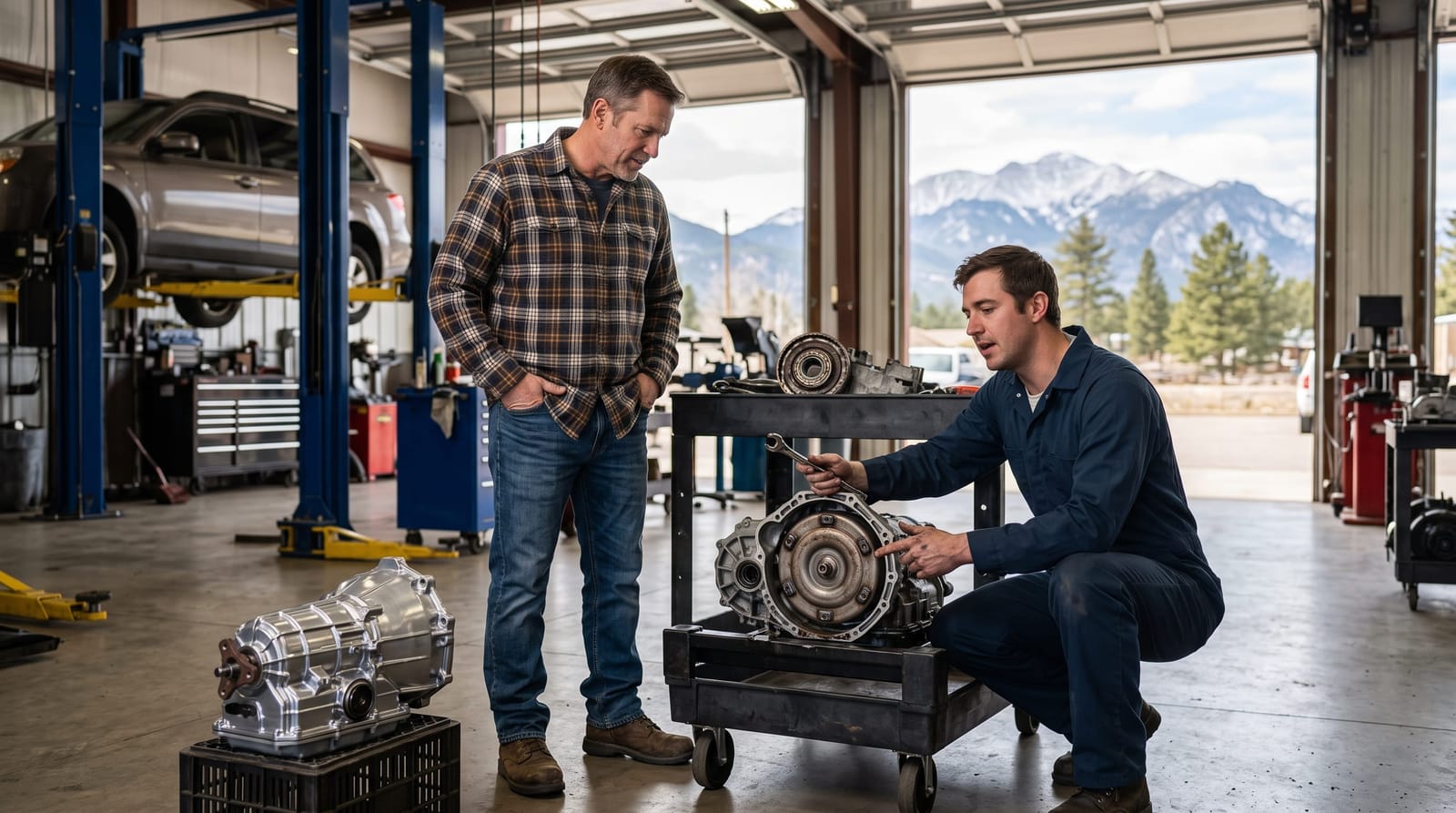
The vehicle goes through the full electronic and mechanical diagnostic process described above. For most transmissions, a thorough diagnosis takes several hours, not minutes. Rushing this phase is where misdiagnosis happens. CTDS commits to completing a full diagnosis before recommending any repair path.
Step 3: Written Estimate and Explanation
Before any repair work begins, you'll receive a written explanation of what was found and what the recommended repair involves. Cost transparency is a core part of how CTDS operates: no surprises, no pressure, and a clear explanation of what each option costs and why it's being recommended. Repair costs vary significantly based on the vehicle, the transmission model, and the scope of work required, so asking questions at this stage is encouraged.
Step 4: Repair or Rebuild
Approved work proceeds with a realistic timeline communicated upfront. A targeted component repair may be completed in one to two days. A full rebuild typically takes three to five business days, sometimes longer for specialty or heavy-duty applications where specific parts must be sourced.
Step 5: Post-Repair Testing
Before your vehicle is returned, CTDS performs a road test and re-scans the transmission electronics to confirm the repair resolved the fault codes and that no new issues are present. This step is non-negotiable: a transmission that hasn't been verified under real operating conditions hasn't been truly tested.
Take Automatic Transmission Symptoms Seriously: Before They Become Bigger Problems
Automatic transmissions are engineered to last for hundreds of thousands of miles when properly maintained and repaired at the first sign of trouble. The vehicles that end up needing full replacements are almost always ones where early symptoms were ignored for months. In Fort Lupton and across Weld County, Colorado Transmission & Diesel Specialists brings 27-plus years of automatic transmission expertise: backed by advanced electronic diagnostics, honest repair recommendations, and the hands-on experience to back them up. If you're experiencing any of the symptoms described in this guide, don't wait to have it checked. Contact CTDS to schedule a diagnostic appointment and get a clear, straightforward picture of what your transmission actually needs.