What Happens During a Transmission Rebuild? A Step-by-Step Breakdown
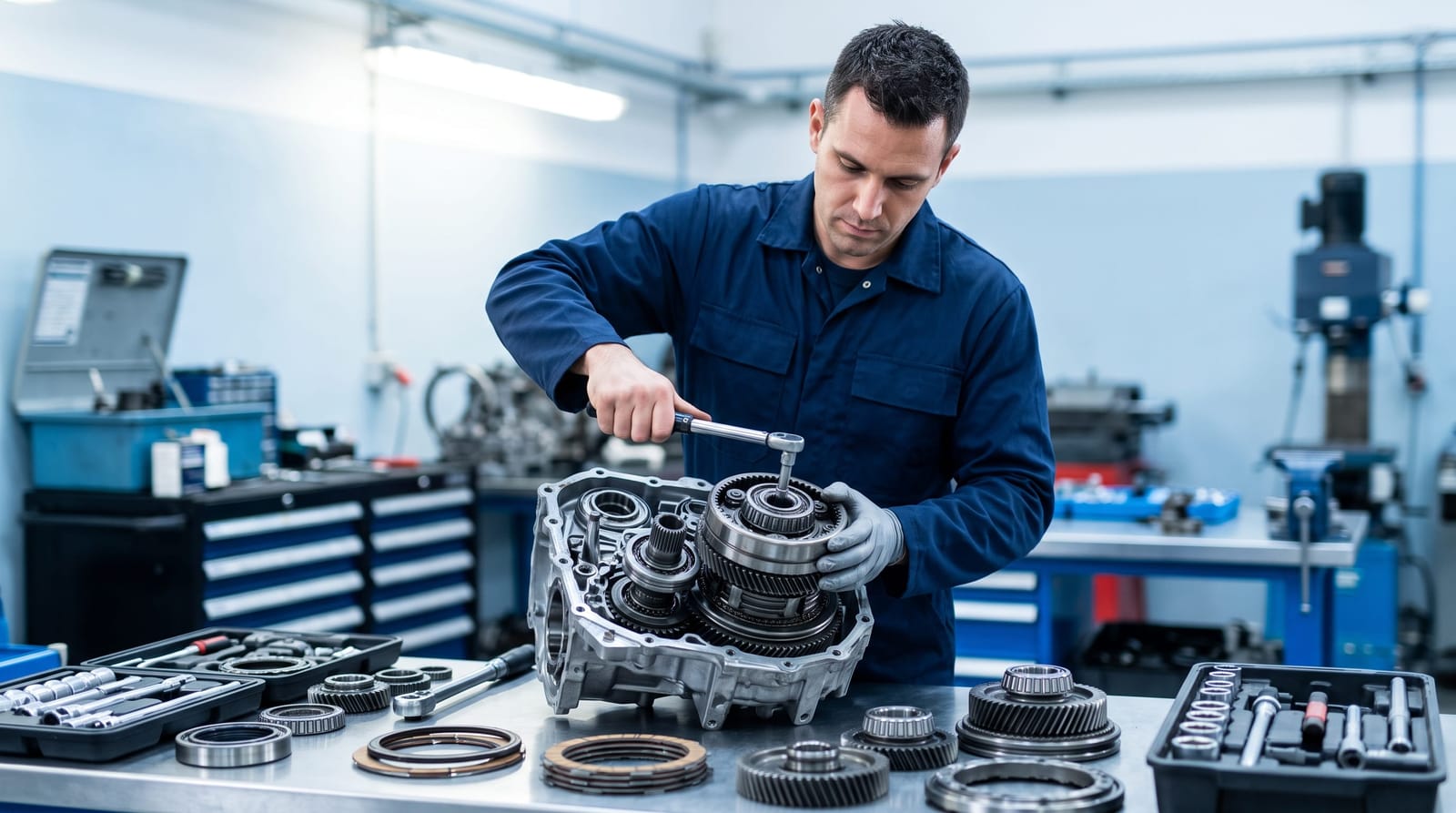
If your transmission is slipping, refusing to shift, or leaking fluid, a mechanic may have recommended a rebuild, and if you're like most drivers, you have no idea what that actually means. What are they doing to your truck for three or four days? What parts get replaced? How is a rebuild different from a repair? These are fair questions, and you deserve straight answers. This post walks you through exactly what happens during a professional transmission rebuild, so you know what to expect before you hand over your keys.
Step 1: Removal and Initial Teardown
The first step in any transmission rebuild is getting the unit out of the vehicle. Depending on the make, model, and drivetrain configuration, removal alone can take anywhere from 2 to 6 hours. On a heavy-duty diesel truck with a transfer case, it often takes longer. At CTDS, technicians document the condition of the transmission before removal, noting fluid color, smell, and any external damage, because those early clues help guide the inspection process.
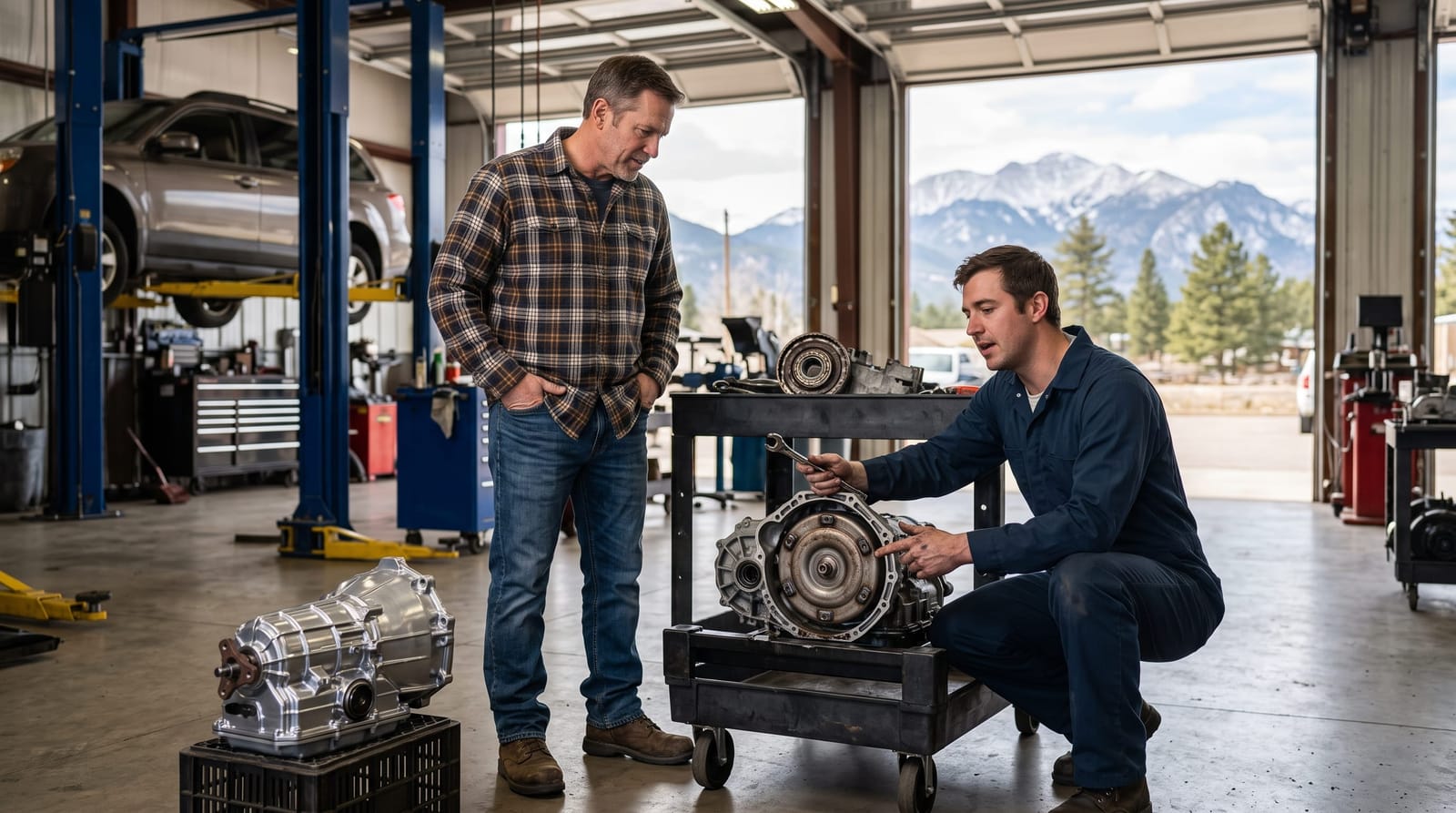
Once the transmission is on the workbench, the real teardown begins. Every external component is removed first: the torque converter, valve body, solenoids, and oil pan. Then the internal assemblies come apart: clutch packs, planetary gear sets, bushings, seals, and bearings. Each component is organized and laid out in sequence. This isn't just good practice; it's essential for accurate diagnosis. A transmission contains dozens of precision components, and a single misplaced part during reassembly can cause the entire unit to fail.
By the time teardown is complete, what was once a sealed transmission has become roughly 300 to 400 individual components spread across a clean workbench.
Step 2: Cleaning and Component Inspection
Before a single part is evaluated for damage, everything gets cleaned. Transmission fluid breaks down over time and leaves behind varnish deposits, clutch material, and metallic debris. If any of that contamination remains during inspection, it can mask wear patterns or score surfaces that would otherwise look acceptable.
Professional rebuilds use an industrial parts washer with heated solvent to strip every component down to bare metal. Hard parts, the case, pump body, valve body bores, and gear sets, are also checked with precision measuring tools. Clearances are measured in thousandths of an inch. A bushing that looks fine to the naked eye may be worn 0.003" beyond spec, which is enough to cause pressure loss and premature failure.
This inspection stage is where the rebuild earns its value. According to transmission industry data, approximately 60 to 70 percent of transmission failures are caused by worn seals, clutch material degradation, or hydraulic pressure loss, all conditions that visual inspection and measurement will catch at this stage. At CTDS, every hard part is evaluated against manufacturer tolerances before a rebuild decision is finalized.
Step 3: Parts Replacement: What Actually Gets Rebuilt
Here's where the word "rebuild" becomes meaningful. A quality rebuild doesn't just replace the obvious failed part. It replaces every wear item in the transmission, whether or not it has failed yet, because the cost of labor to return to a partially rebuilt transmission is too high to justify leaving borderline parts in place.
A standard rebuild at CTDS includes:
- Complete friction and steel plate kit, All clutch packs are replaced with new friction material
- Full seal and gasket set: Every internal and external seal is replaced
- New bushings and thrust washers: Worn bushings are one of the leading causes of repeat failures
- Updated solenoids: Shift solenoids and pressure control solenoids are tested and replaced as needed
- New filter and pan gasket: Contaminated filters are never reused
- Torque converter replacement or rebuild: The converter is pressure-tested; most quality rebuilds include a remanufactured converter
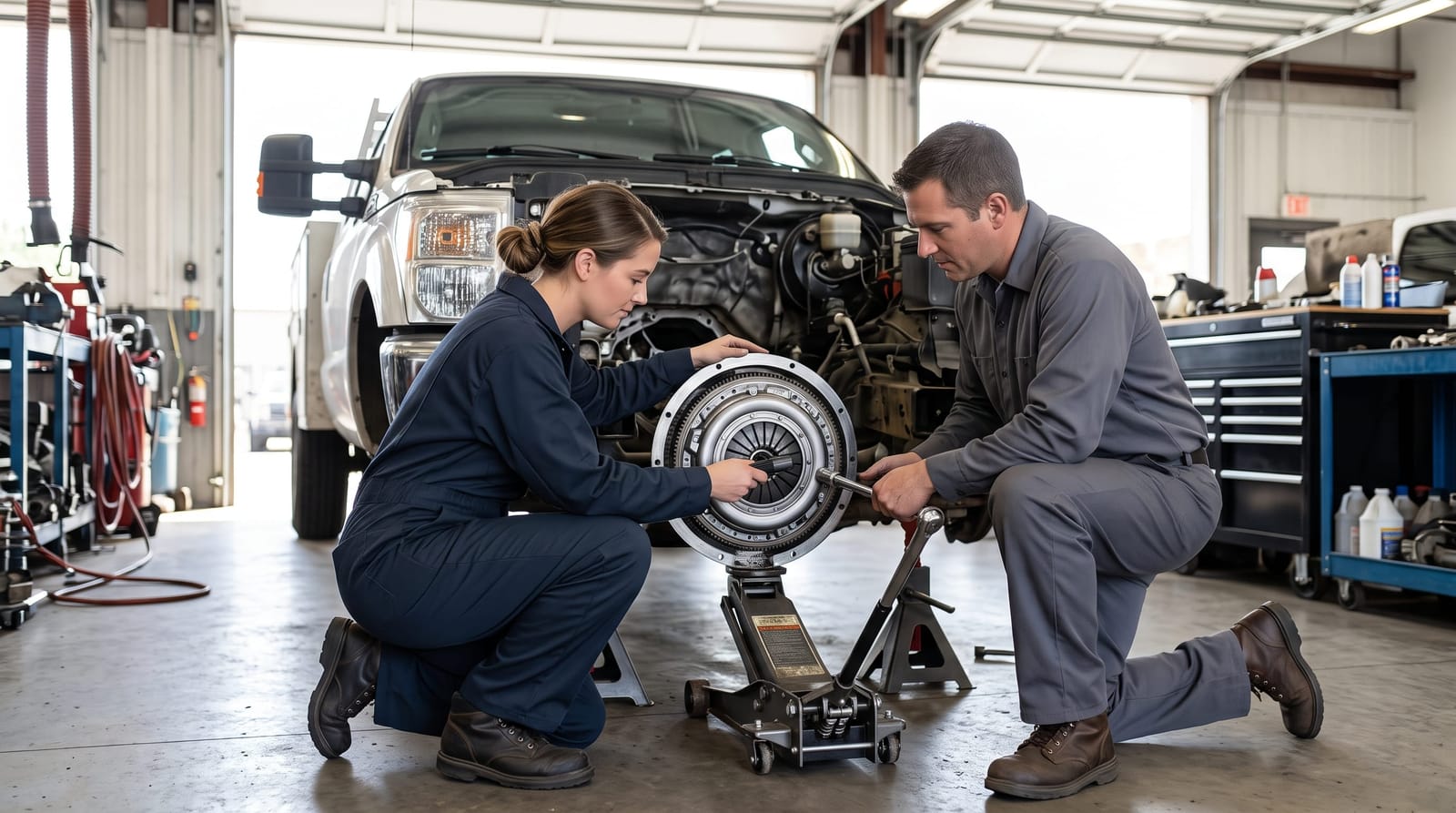
For heavy-duty trucks and performance applications, CTDS upgrades to hardened components where available, including higher-capacity clutch packs and billet steel input drums that exceed OEM specifications. These upgrades matter significantly for diesel trucks under towing load, where transmission heat and torque output exceed what stock components were designed to handle.
If you're weighing whether a rebuild makes financial sense for your vehicle, it helps to understand transmission rebuild cost Colorado compared to full replacement: the difference is often $1,500 to $3,000 or more depending on the vehicle and transmission type.
Step 4: Reassembly to Specification
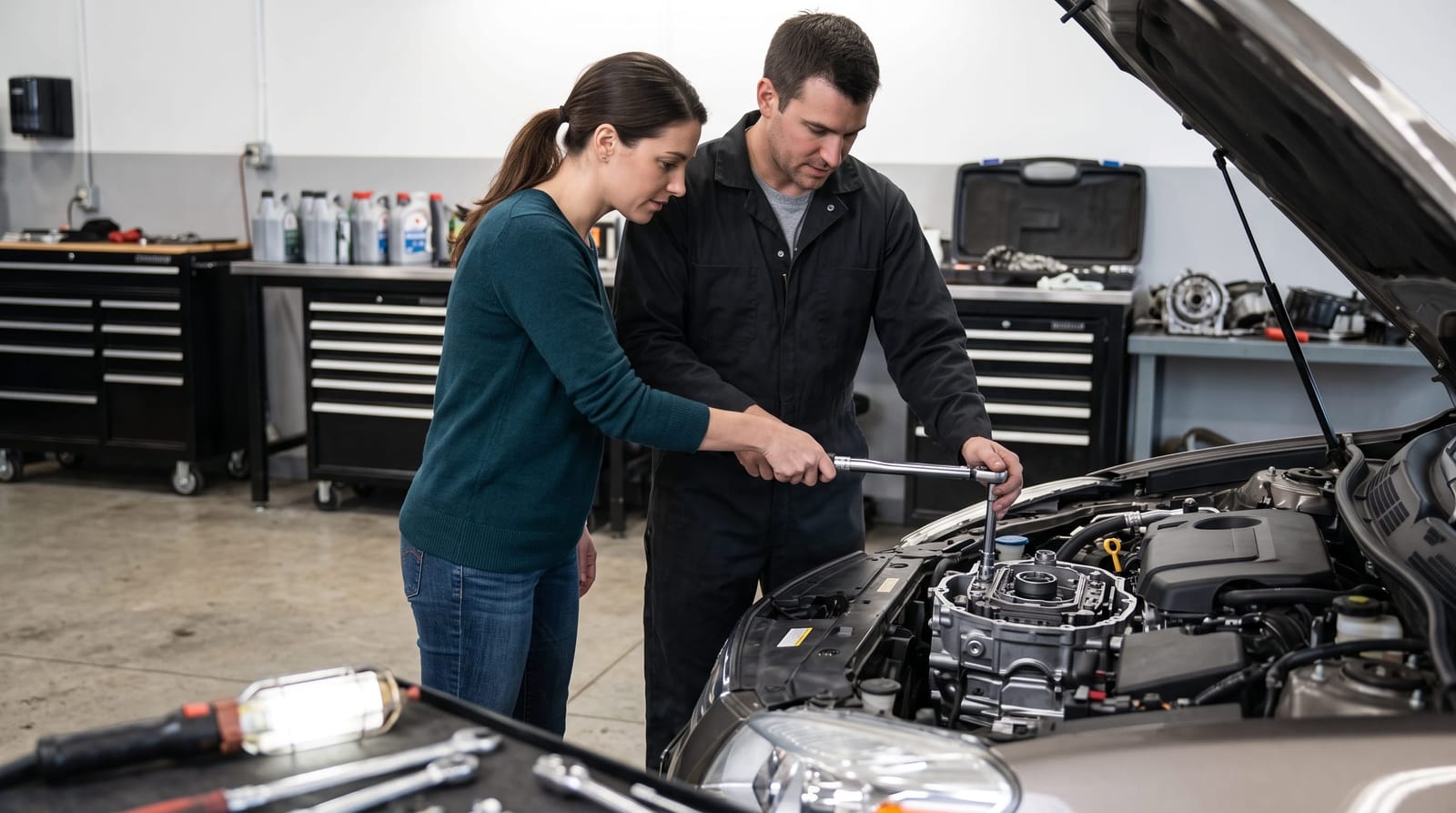
Reassembly is where experience separates a quality rebuild from a mediocre one. Every clearance that was measured during inspection is now set to specification during reassembly. Clutch pack clearances are shimmed to exact tolerances. End-play on gear sets is measured and adjusted. Valve body bolts are torqued in sequence to prevent warping.
Seals are installed with the correct lubrication and orientation: an inverted lip seal is a common rookie mistake that causes immediate fluid leaks. Solenoids are installed and connector orientation is confirmed. The torque converter is seated correctly into the pump, which matters more than most people realize: an improperly seated converter will destroy the front pump within the first few hundred miles.
At CTDS, rebuilt transmissions are assembled by the same technician who performed the teardown and inspection. That continuity matters. When one person owns the entire process, accountability stays high and nothing gets assumed or skipped.
Step 5: Installation, Testing, and Road Validation
Once the transmission is assembled, it's reinstalled in the vehicle and filled with fresh fluid: the correct fluid type and exact quantity for that specific transmission. For most modern automatics, fluid specification is critical. Using the wrong fluid can cause shudder, erratic shifting, or even damage friction material within a few thousand miles.
After initial startup, a pressure test confirms that hydraulic circuits are holding spec. Shift points are checked through all ranges in the shop before the vehicle ever moves. Then comes the road test: typically 10 to 15 miles of mixed driving that includes highway acceleration, deceleration, and repeated gear changes. A technician is listening and feeling for anything abnormal: delayed engagement, hunting between gears, converter shudder, or slipping under load.
If anything requires adjustment, and sometimes it does, the vehicle doesn't leave the shop until it's corrected. A properly rebuilt and tested transmission should feel noticeably better than it did before failure: crisp shifts, solid engagement, and no slipping under load.
Frequently Asked Questions
How long does a transmission rebuild take?
Most transmission rebuilds take 3 to 5 business days from drop-off to pickup. More complex units, including some diesel truck transmissions with transfer cases, can take up to 7 days. Delays in parts availability occasionally extend this timeline, but a reputable shop will communicate proactively rather than leave you guessing.
Is a rebuilt transmission as good as a new one?
A properly rebuilt transmission using quality parts and correct procedures can match or exceed the reliability of a new OEM unit. In heavy-duty and performance applications, a rebuild with upgraded components may actually outperform a stock new transmission. The key word is "properly": a low-quality rebuild that skips steps or uses cheap friction kits will fail early.
What's the difference between a transmission rebuild and a transmission replacement?
A rebuild restores your existing transmission by disassembling it and replacing all wear components. A replacement installs a different transmission: either new, remanufactured, or used. Rebuilds are often more cost-effective because they eliminate the core charge, shipping costs, and uncertainty of a used unit. For older vehicles or trucks with modifications, rebuilding the original unit is frequently the better long-term choice.
Will a rebuilt transmission come with a warranty?
At CTDS, rebuilt transmissions come with a warranty covering parts and labor. Warranty terms vary based on the transmission type and application, so ask your service advisor for specifics before work begins. Always get the warranty terms in writing.
The Bottom Line
A transmission rebuild is one of the most labor-intensive services in automotive repair, but when it's done right, it's also one of the most valuable. The process involves complete disassembly, precision measurement, replacement of every wear item, careful reassembly to spec, and thorough testing before the vehicle ever leaves the shop. At CTDS in Fort Lupton, CO, every rebuild follows this full process with no shortcuts. If your transmission is giving you trouble and you want to understand your options, give us a call: we'll tell you exactly what your vehicle needs and why.