Can I Drive with a Slipping Transmission? What Colorado Drivers Need to Know
If your vehicle is revving high but barely accelerating, or you're feeling unexpected jerks and hesitations between gears, you've probably landed here with one urgent question: can you drive with a slipping transmission? The short answer is no, and the longer answer explains exactly why that decision could turn a manageable repair into a full transmission rebuild. This beginner's guide walks you through what transmission slipping actually means, what it does to your vehicle, and what Colorado drivers should do the moment they notice the problem.
What Does a Slipping Transmission Actually Mean?
Your transmission's job is to deliver engine power to your wheels in a controlled, predictable way. When a transmission "slips," it means the connection between your engine and drivetrain is breaking down: the transmission is failing to hold the correct gear, or it's jumping between gears without your input.
Here's what that looks like in real life:
- Your engine RPMs spike suddenly, but your speed doesn't increase to match
- You feel a noticeable shudder or jerk when accelerating from a stop
- The vehicle hesitates before engaging when you shift from Park into Drive or Reverse
- You notice a delay between pressing the gas pedal and the vehicle actually moving forward
- In manual transmissions, the gear pops out while driving or won't stay engaged
For diesel truck owners and drivers navigating Colorado's highways and mountain grades, these symptoms are especially dangerous. A transmission that slips unpredictably at highway speeds or while towing a trailer creates serious loss-of-control scenarios that no driver wants to face on I-25 or US-85.
Why Driving with a Slipping Transmission Is Unsafe
The core danger is unpredictability. A slipping transmission doesn't behave consistently: it can drop out of gear without warning, hesitate when you need immediate power, or surge unexpectedly when it finally engages. These aren't minor inconveniences; they're active safety hazards.
Consider a few real-world scenarios:
- Merging onto a highway: You press the accelerator expecting the vehicle to respond, but the transmission slips and power is delayed. You enter highway traffic at 30 mph instead of 60 mph.
- Towing on a grade: Colorado's roads include significant elevation changes. A slipping transmission under load, hauling a trailer up a hill, can cause the drivetrain to lose power entirely mid-climb.
- Emergency braking and re-acceleration: If the transmission slips when you need quick acceleration to avoid a collision, the response just won't be there.
Beyond driver safety, continued operation causes the transmission to run hot. Slipping creates friction. Friction generates heat. Heat destroys transmission fluid, burns clutch packs, and damages seals and bands. What might be a $400-$800 fluid and solenoid repair today can become a $2,500-$4,000+ rebuild if you keep driving on it.
What Causes Transmission Slipping in the First Place?
Understanding the root cause matters because not every slipping transmission means an automatic rebuild. Some causes are minor and inexpensive to address, if caught early.
Low or Degraded Transmission Fluid
This is the most common cause, and it's often the most repairable. Transmission fluid lubricates moving parts, cools the system, and creates the hydraulic pressure needed for gear engagement. When fluid is low (from a leak) or has broken down from heat and age, the transmission loses the pressure it needs to hold gears properly. A fluid service or leak repair can often resolve early-stage slipping caused by this issue alone.
Worn Clutch Packs or Bands
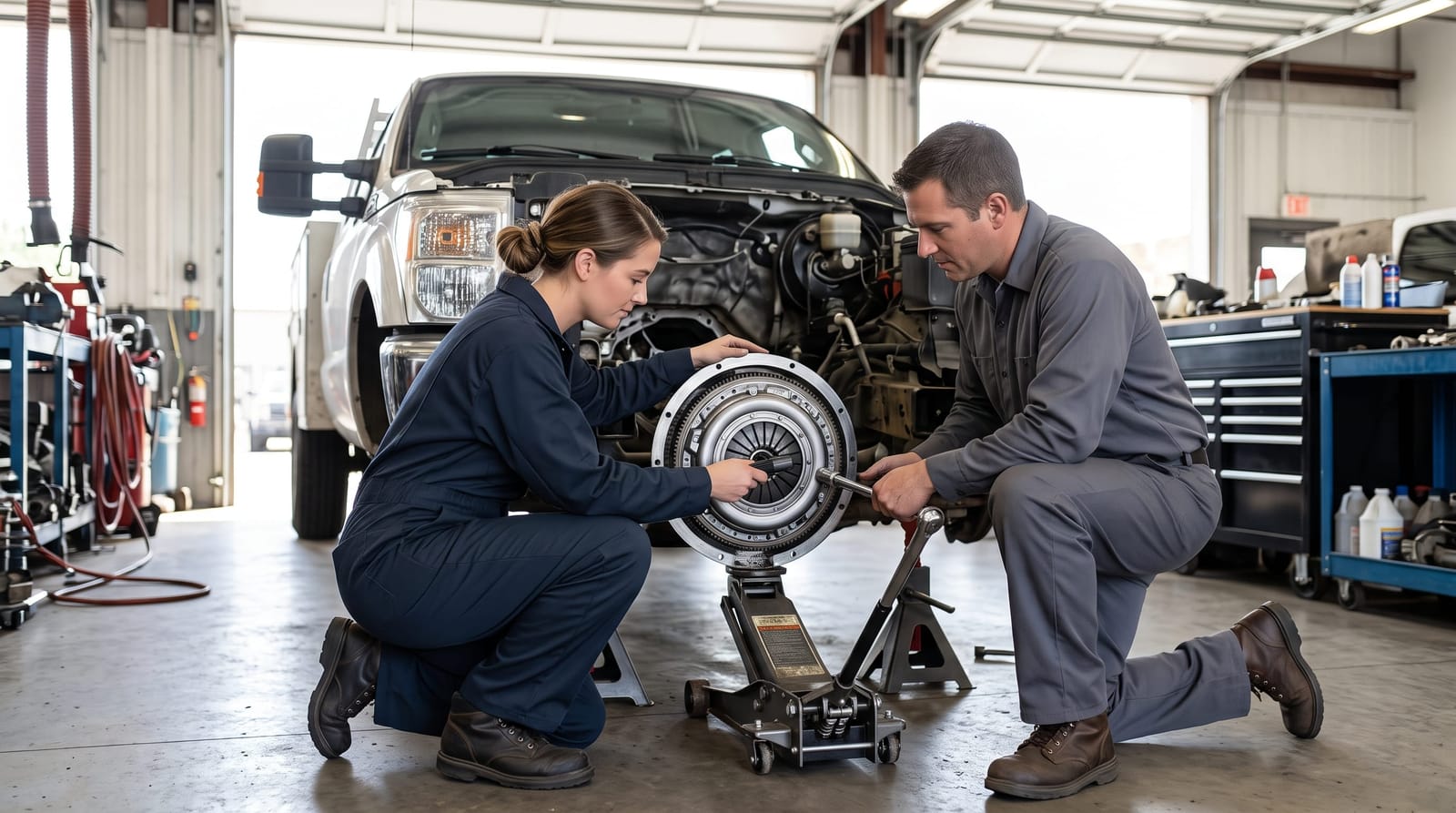
Automatic transmissions use clutch packs and bands to engage and hold specific gears. Over time, especially with high mileage, heavy towing, or heat damage, these components wear thin and lose their grip. Once a clutch pack is burnt or a band is stretched, the transmission will slip under load even if fluid levels are perfect. This typically requires internal repair or a rebuild.
Faulty Solenoids or Sensors
Modern transmissions rely on electronic solenoids to control fluid flow and gear shifts. A failed shift solenoid can cause erratic behavior that feels identical to mechanical slipping. The good news: solenoid replacement is significantly less expensive than internal mechanical work. A proper diagnostic scan is the only way to distinguish between electrical and mechanical causes.
Torque Converter Issues
The torque converter connects the engine to the transmission. A worn converter with failing clutch material can cause shuddering, slipping sensations at highway speeds, and poor fuel economy. This is common in trucks with high tow mileage.
What You Should Do Right Now
If you're experiencing slipping symptoms, here's the straightforward action plan:
- Stop driving the vehicle if symptoms are severe. If the transmission is slipping badly enough to affect vehicle control or you're smelling burning fluid, do not continue driving. Have the vehicle towed.
- Check your transmission fluid level and condition. With the engine warmed up and running, pull the dipstick (if your vehicle has one: many newer vehicles require a shop to check fluid). If the fluid is dark brown or black and smells burnt, that's a red flag.
- Don't keep driving hoping it resolves itself. Transmission slipping does not improve on its own. Every mile you drive on a slipping transmission increases the damage and the cost to repair it.
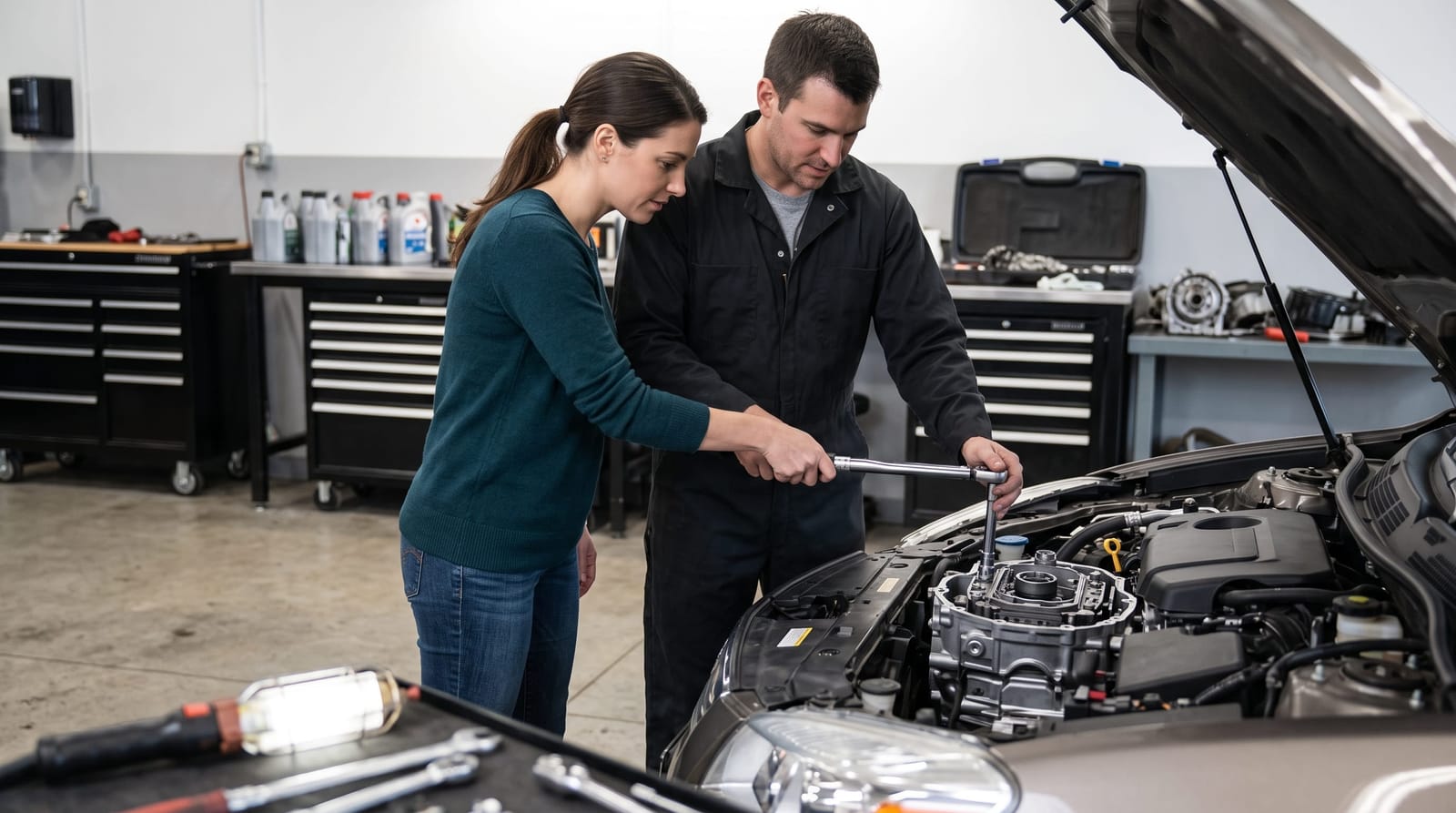
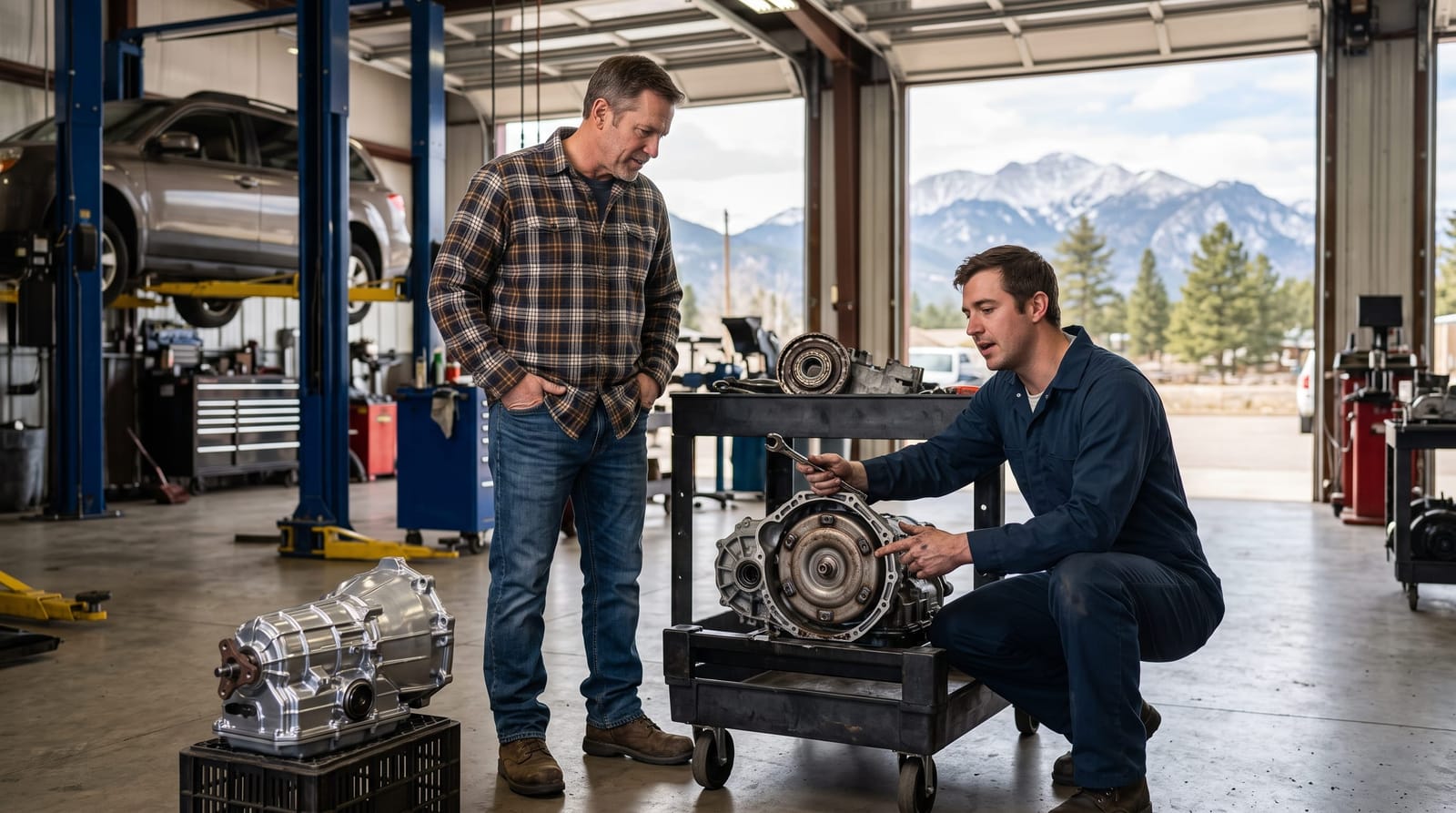
- Get a professional diagnostic inspection. The only way to know the true cause, and the real cost of repair, is a hands-on inspection by a transmission specialist. A general mechanic can tell you there's a problem; a transmission shop can tell you exactly what's wrong and what it will take to fix it right.
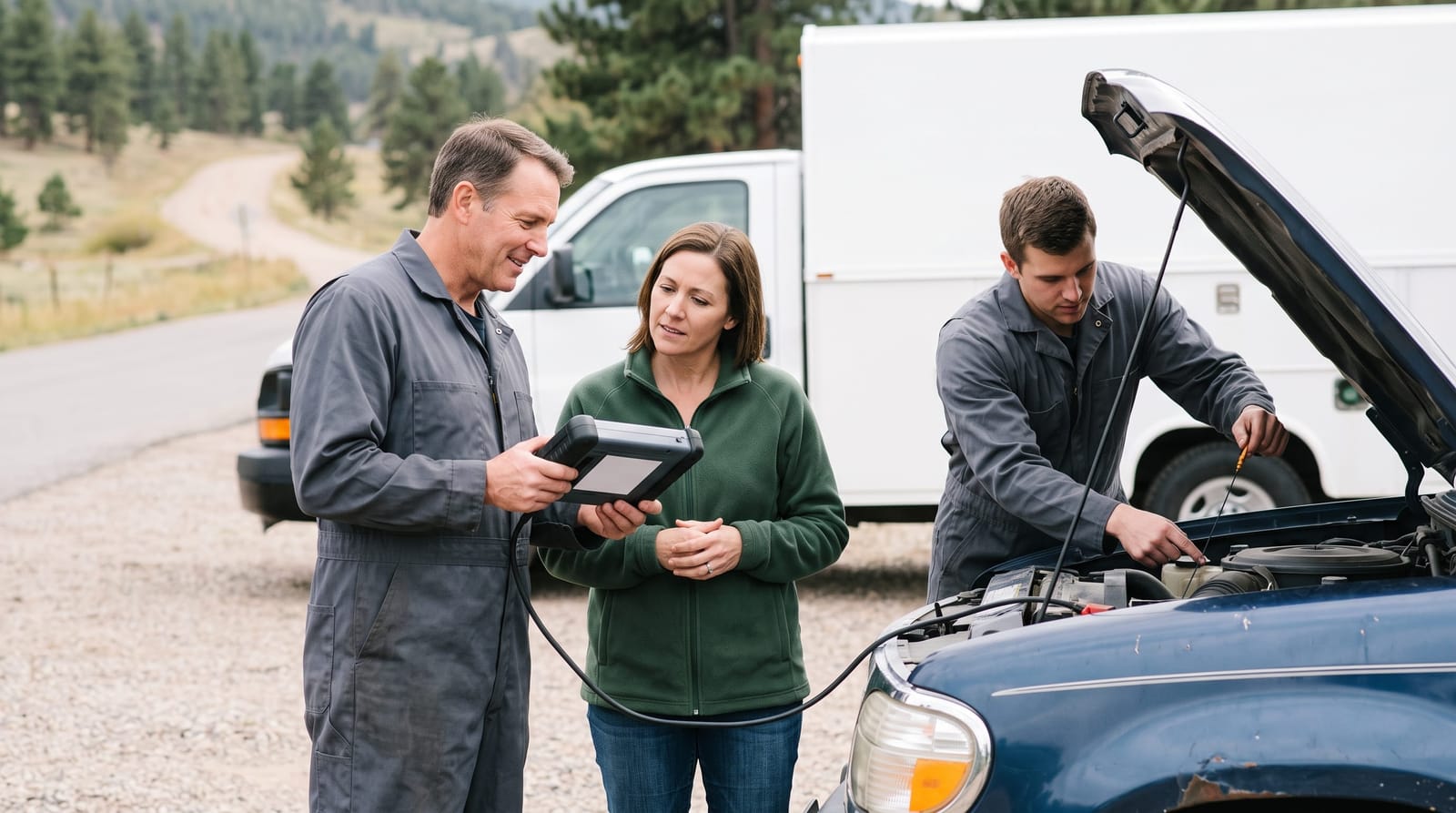
At CTDS in Fort Lupton, our transmission diagnostics are thorough and straightforward. We use electronic scanning tools alongside hands-on inspection to pinpoint whether your slipping issue is fluid-related, electronic, or internal, so you know exactly what you're dealing with before any work begins. Learn more about our transmission repair and rebuild services in Fort Lupton, CO.
Frequently Asked Questions
Can you drive with a slipping transmission for a short distance to a shop?
If the slipping is mild and you're within a few miles of a repair facility, driving carefully may be acceptable, but it increases your risk. If symptoms are severe, the fluid smells burnt, or the transmission is slipping into neutral unexpectedly, have the vehicle towed. The cost of a tow is far less than the added damage caused by continued driving.
How quickly can a slipping transmission turn into a bigger problem?
It can happen fast. Slipping generates friction and heat, which accelerates wear on clutch packs, seals, and the valve body. A fluid issue caught early might cost a few hundred dollars to fix. The same transmission driven on for another few weeks of slipping could require a full rebuild costing several thousand dollars.
Does transmission slipping always mean I need a full rebuild?
Not always. If the cause is low or degraded fluid, a bad solenoid, or a minor seal leak, repairs can be relatively affordable. The only way to know for certain is a proper diagnosis. Never let anyone quote you a rebuild without first inspecting what's actually causing the problem.
Is a slipping transmission covered under warranty?
It depends on your vehicle's age, mileage, and any existing warranty coverage. If you're within your manufacturer's powertrain warranty, take the vehicle to an authorized dealer. If your vehicle is older or out of warranty, an independent transmission specialist will typically offer better pricing and faster turnaround than a dealership.
The Bottom Line for Colorado Drivers
So, can you drive with a slipping transmission? Technically, you might be able to for a short time. But you shouldn't. The safety risks are real, the damage compounds quickly, and what starts as a diagnostic visit could save you thousands compared to ignoring the problem until it fails completely. If you're in the Fort Lupton, Greeley, Brighton, or surrounding Weld County area, CTDS offers honest, expert-level transmission diagnosis and repair. Don't wait until you're stranded, contact our team today to schedule your transmission inspection.