Fleet Vehicle Diagnostics & Inspection Services Near Brighton & Erie, CO
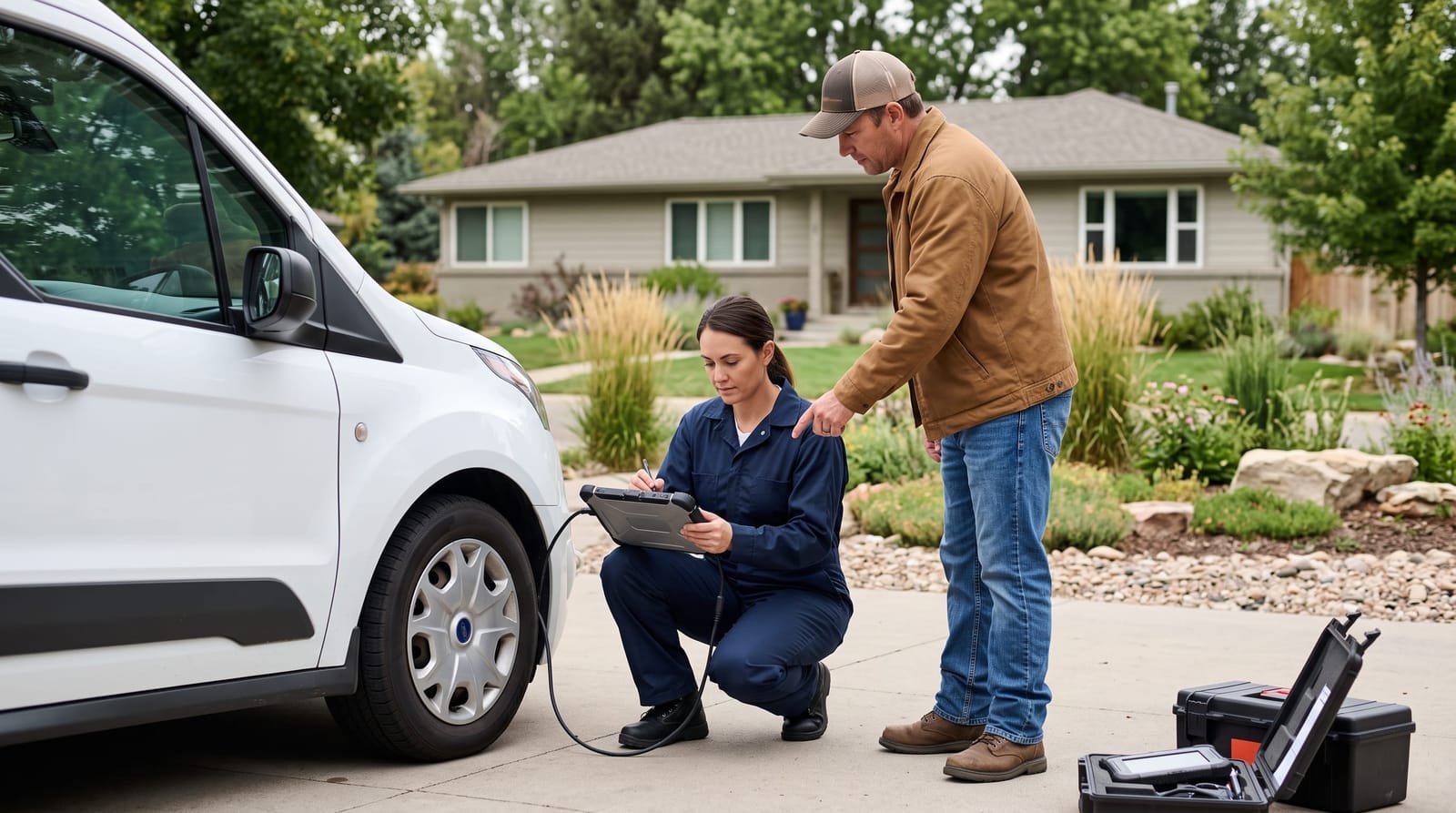
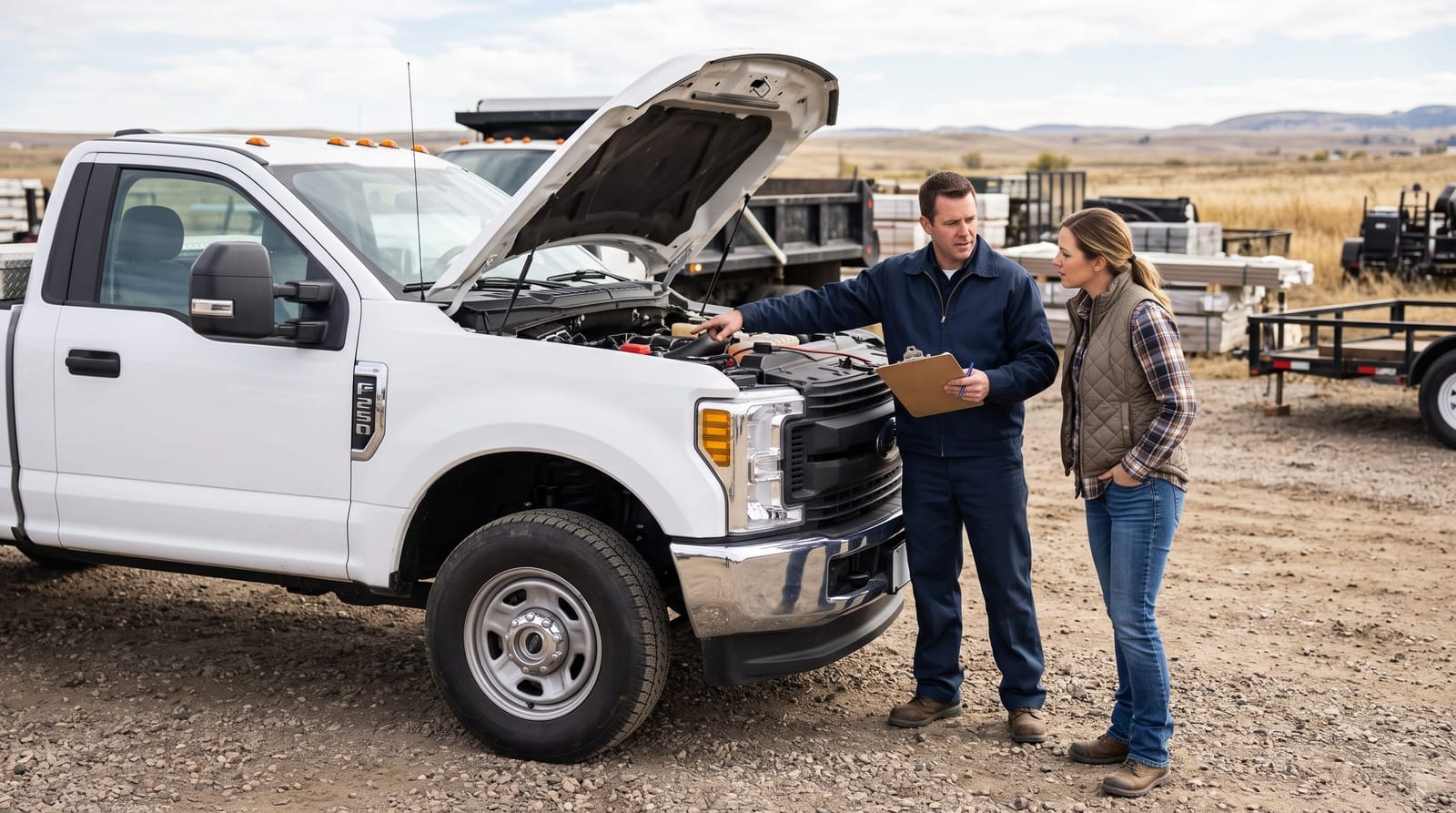
Keeping a commercial fleet running in Weld County means more than just filling tanks and checking tire pressure. For contractors, landscapers, plumbers, and delivery operators near Brighton and Erie, a single vehicle breakdown can derail an entire job schedule. That's why fleet vehicle inspection diagnostics Brighton CO operators depend on matter so much. At CTDS in Fort Lupton, we offer a bumper-to-bumper inspection process designed specifically for commercial vehicles, not passenger cars. This comprehensive overview covers what a thorough fleet diagnostic actually includes, why each component matters, and how catching small problems early can save thousands in emergency repairs. If you manage even two or three work trucks, understanding what a real fleet inspection looks like is essential knowledge.
Why Fleet Diagnostics Are Different From a Standard Oil Change Check
Most quick-lube shops offer a basic "courtesy inspection." They glance at your fluids, check your air filter, and send you on your way. That approach works fine for a family sedan driving 12,000 miles a year. It falls short for a diesel pickup hauling 8,000 pounds of equipment across gravel roads six days a week.
Commercial vehicles operate under sustained stress. Engines run hot for longer periods. Brakes take heavy loads on mountain descents. Suspension components flex constantly under payload weight. Electrical systems power auxiliary equipment like lift gates, compressors, and lighting arrays. Each of these systems needs specific diagnostic attention, not just a visual once-over.
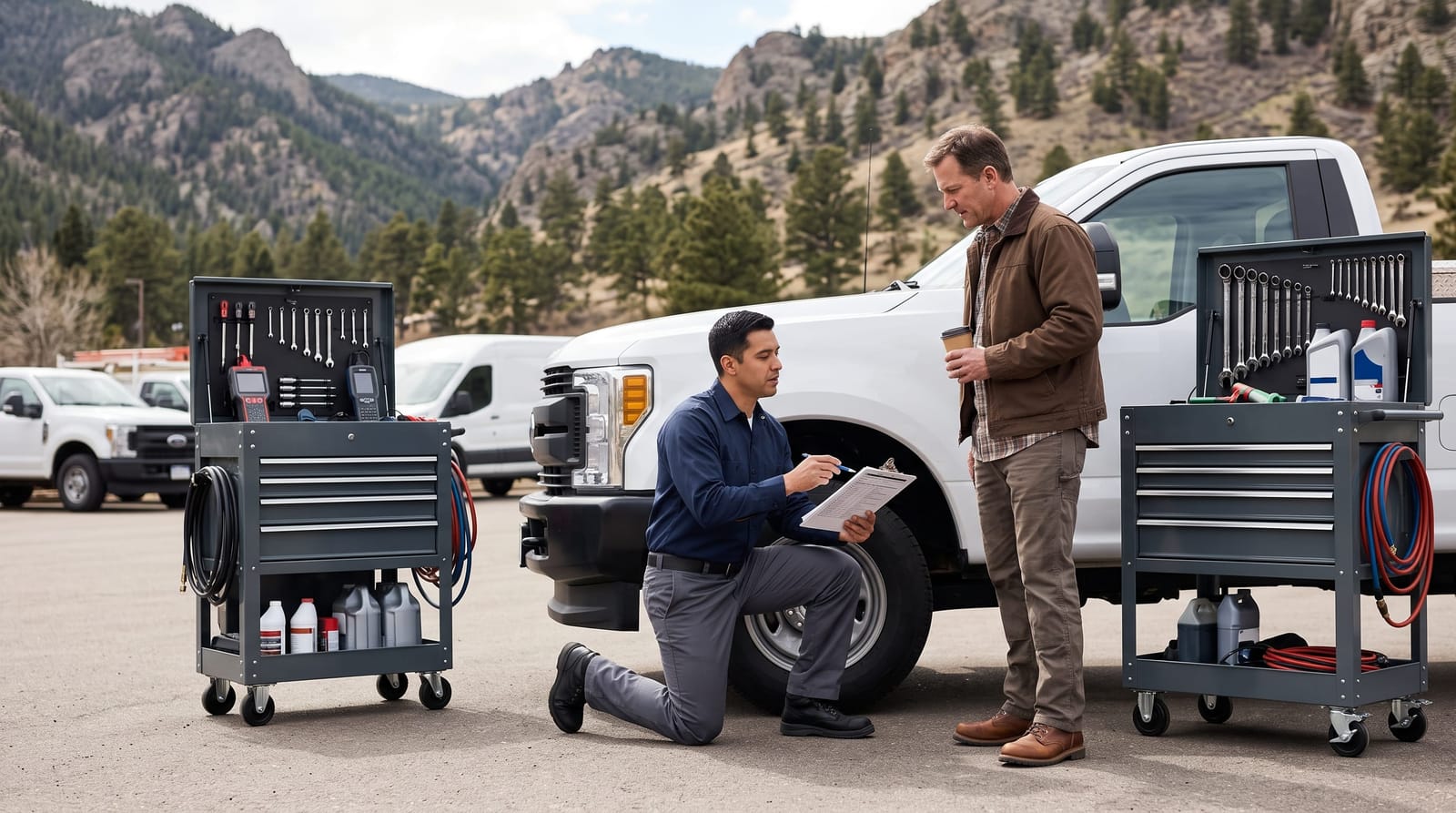
A proper fleet diagnostic starts with a scan tool connected to the vehicle's OBD-II or heavy-duty diagnostic port. This pulls active fault codes and pending codes. Pending codes are especially important. They represent problems developing before a warning light ever appears. Catching a pending transmission fault or an emerging oxygen sensor failure can prevent a full breakdown weeks later.
CTDS uses professional-grade diesel diagnostic equipment built for commercial applications. Our technicians understand the difference between a Ford 6.7 Power Stroke and a Duramax LML. That distinction matters because fault codes mean different things on different platforms. Generic auto knowledge doesn't cut it when your work truck is the difference between completing a job and losing a contract.
For a complete breakdown of what every inspection should cover, our detailed commercial vehicle inspection checklist Colorado resource walks fleet managers through every system category worth reviewing.
Electrical Diagnostics: The System Most Fleets Overlook
Electrical problems are the leading cause of unexpected fleet downtime. They're also the hardest to diagnose without the right equipment. A flickering dashboard light might indicate a loose ground wire, or it might signal a failing alternator about to leave your driver stranded on US-85.
What Electrical Diagnostics Include
- Battery load testing and cold cranking amp verification
- Alternator output testing under real load conditions
- Starter draw testing
- Ground strap and chassis ground integrity checks
- Auxiliary wiring inspection for add-on equipment
- Module communication scanning across all onboard systems
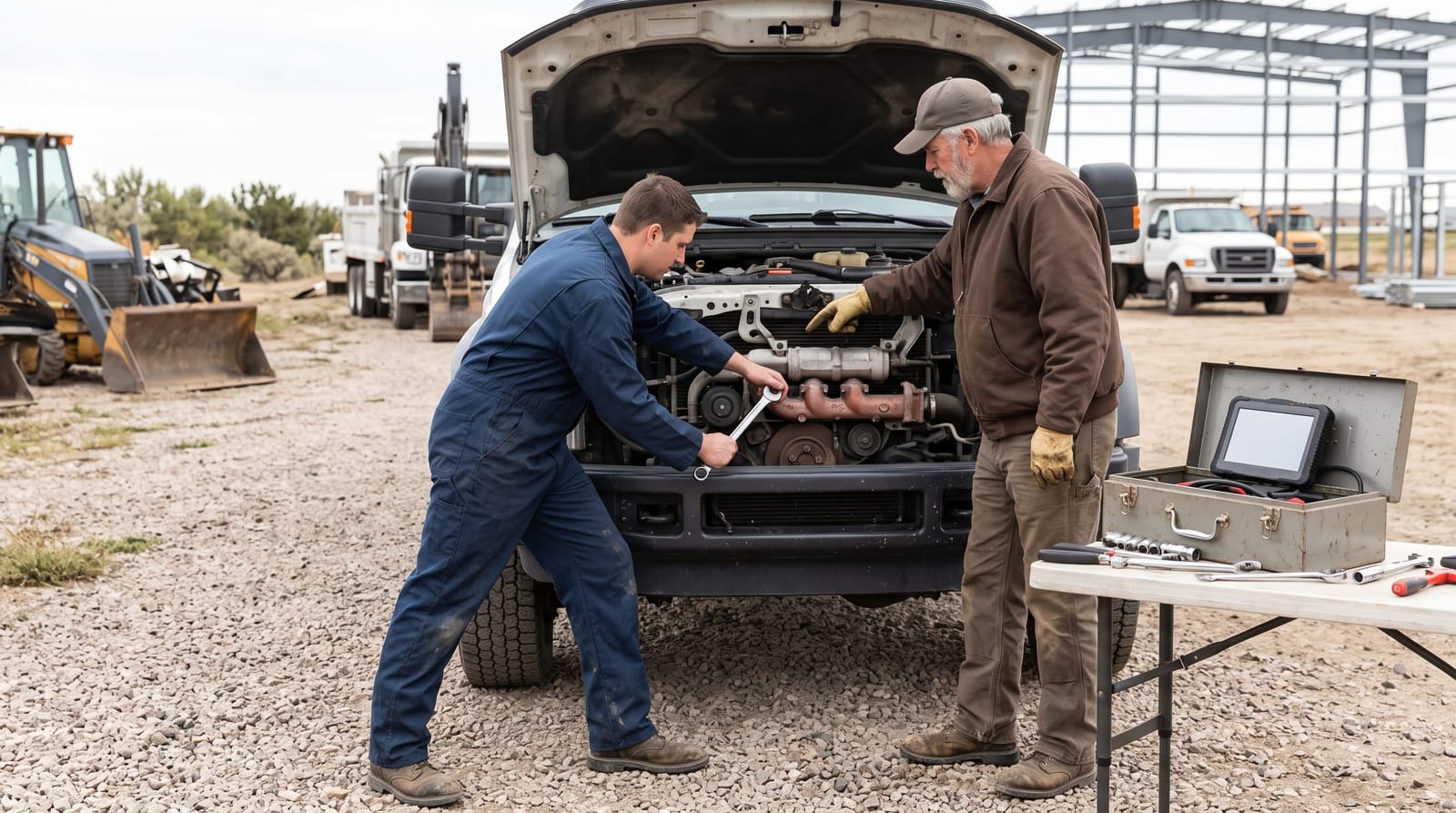
Work trucks with aftermarket upfitting, plow controllers, auxiliary lighting, PTO systems, are especially vulnerable to electrical gremlins. These add-ons pull power and create ground paths that weren't part of the original design. Over time, connections corrode and insulation cracks.
CTDS inspects both factory wiring and any aftermarket electrical additions. We test battery capacity under load, not just resting voltage. A battery can read 12.6 volts at rest and still fail during a cold Colorado morning start. Load testing reveals true capacity.
Why This Matters for Brighton and Erie Operators
Many fleet operators in the Brighton and Erie corridor run early-morning routes. Drivers are starting vehicles in cold weather, often before sunrise. An electrical system that's marginal in summer becomes a liability in January. Early diagnostics catch this before your driver calls in at 5 a.m. with a dead truck.
Brake Inspection and Safety Assessment for Work Trucks
No component on a commercial vehicle is more critical than the braking system. Work trucks are heavier than passenger vehicles. They carry payload. They tow trailers. They stop in shorter distances than many drivers anticipate, until they don't.
Fleet brake inspections go well beyond measuring pad thickness. A comprehensive brake assessment examines the entire system.
Brake System Inspection Components
- Pad and shoe thickness measurements at all four corners
- Rotor thickness and lateral runout measurements
- Caliper slide pin condition and movement
- Brake hose inspection for cracking, swelling, or abrasion
- Brake fluid condition and moisture content testing
- ABS module function and fault code scan
- Parking brake adjustment and holding capacity
- Trailer brake controller output testing (where applicable)
Brake fluid absorbs moisture over time. High moisture content lowers the boiling point. On a heavily loaded truck descending a grade, overheated brake fluid can cause brake fade: a dramatic and dangerous loss of stopping power. Testing fluid moisture is a simple step that many shops skip entirely.
Our dedicated resource on fleet brake service Weld County CO covers why brake maintenance schedules for commercial vehicles need to be far more aggressive than the intervals recommended for standard passenger vehicles.
Uneven braking, where one side grabs harder than the other, often points to a sticking caliper or a collapsed brake hose. Left unaddressed, this causes uneven tire wear, steering pull, and dramatically longer stopping distances. Our inspection process identifies these asymmetric issues before they create a safety event.
Suspension Assessment: What Rough Roads Do to Work Trucks
Weld County has miles of gravel roads, oil field access paths, and rural two-lanes that punish suspension components. Work trucks loaded above their rated payload capacity, which happens regularly on job sites, accelerate that wear significantly.
A suspension inspection at CTDS covers both front and rear systems.
Front Suspension and Steering Components
- Ball joint wear measurement (axial and radial play)
- Tie rod end and drag link condition
- Control arm bushing condition
- Wheel bearing play and noise assessment
- Shock and strut performance testing
- Steering gearbox or rack inspection for play and leaks
Rear Suspension and Payload Systems
- Leaf spring condition, including shackle and bushing wear
- U-bolt torque inspection
- Overload spring contact and function
- Rear shock performance
- Air bag system inspection (on equipped vehicles)
Worn ball joints and tie rod ends don't just cause handling problems. They create tire wear patterns that destroy expensive commercial tires prematurely. A $40 tie rod end left unaddressed can eat through a $400 tire in three months, and introduce a steering failure risk.
Integrating suspension findings into your broader fleet preventative maintenance schedule Colorado planning helps you replace wear items on your timeline, not on the roadside.
Fluid Analysis and Powertrain Health Monitoring
Fluids tell the story of what's happening inside every major system. Experienced technicians read fluid condition the way a doctor reads lab results. Color, viscosity, smell, and contamination all provide diagnostic data.
Fluid Systems Evaluated in a Full Fleet Inspection
- Engine oil: Color, viscosity breakdown, fuel dilution, coolant contamination
- Coolant: pH level, freeze point, inhibitor depletion, visual contamination
- Transmission fluid: Color, burned smell, particle contamination
- Differential and transfer case fluids: Metal particle presence, moisture
- Power steering fluid: Discoloration, foaming, contamination
- Brake fluid: Moisture content testing
Dark, thin engine oil with a fuel smell indicates short-trip operation or injector leakdown: common on diesel engines used for light-duty work. Coolant with an oily sheen signals a head gasket issue developing. Burnt transmission fluid with metallic particles indicates internal clutch pack wear. Each of these findings catches a developing problem before it becomes a catastrophic failure.
For fleet operators managing multiple vehicles, fluid analysis data across the fleet can also reveal patterns. If three trucks of the same model are all showing early transmission fluid degradation, that's a signal to adjust transmission service intervals fleet-wide.
Managing these fluid service intervals proactively is central to the approach we describe in our guide to minimizing fleet downtime in Weld County Colorado, because fluid failures are almost always preventable with the right monitoring schedule.
Transmission Health Assessment: Protecting Your Most Expensive Drivetrain Component
Automatic transmissions on commercial vehicles are expensive to repair. A full rebuild on a heavy-duty truck transmission can run well into four figures. Catching transmission problems early, during the diagnostic and inspection phase, is one of the highest-value things a fleet inspection can do.
Transmission Diagnostic Process
CTDS evaluates transmission health through several methods:
- Live data monitoring of transmission temperatures under load
- Shift quality evaluation during road test
- Fault code scanning including transmission control module data
- Fluid analysis as described above
- Torque converter lock-up function verification
- Line pressure testing when symptoms indicate
Transmission problems often begin with subtle symptoms. Slightly delayed engagement when shifting from park to drive. A minor shudder at highway speeds. Occasional hard shifts under load. Fleet drivers frequently normalize these symptoms and stop reporting them. A structured diagnostic inspection catches these issues through data, not driver reports alone.
High operating temperatures accelerate transmission wear faster than any other single factor. Work trucks towing heavy trailers or operating in stop-and-go traffic run transmission temperatures well above normal passenger vehicle operating ranges. Monitoring these temperatures during an inspection road test reveals whether cooling systems are adequate or whether an auxiliary transmission cooler should be considered.
Connecting transmission health findings to your broader commercial diesel fleet repair Weld County CO service plan ensures that repairs happen on a scheduled basis, not as emergency interventions that pull a vehicle out of service at the worst possible time.
What Happens After the Inspection: Prioritizing Findings for Your Budget
A comprehensive fleet inspection produces a findings report. Not every finding requires immediate action. Part of a good diagnostic service is helping fleet operators understand which items are safety-critical, which are maintenance-due, and which are items to monitor over the next service interval.
CTDS organizes findings into clear priority categories:
- Priority 1: Safety Critical: Items requiring immediate attention before the vehicle returns to service
- Priority 2: Service Due: Items past or approaching recommended service intervals that should be addressed at the next service appointment
- Priority 3: Monitor: Items showing early signs of wear that don't require immediate action but should be tracked
This structure helps fleet managers make informed decisions. You're not pressured into replacing everything at once. You understand what's urgent, what's upcoming, and what to watch. That transparency is the foundation of a productive long-term fleet service relationship.
Conclusion: Don't Wait for a Breakdown to Diagnose Your Fleet
The most expensive fleet repair is always the one that happens on the side of the road. A thorough fleet vehicle inspection and diagnostics process, covering electrical systems, brakes, suspension, fluids, and drivetrain health, catches developing problems while they're still manageable. For fleet operators near Brighton and Erie, CTDS in Fort Lupton offers the specialized commercial vehicle expertise and professional diagnostic equipment your work trucks deserve.
If you manage commercial vehicles in Weld County, contact CTDS today to schedule a comprehensive fleet inspection. Our team will give you a clear, prioritized findings report, so you can make informed decisions and keep your trucks earning instead of sitting.