Diesel vs. Gas Truck for Towing in Colorado: What's the Better Choice?
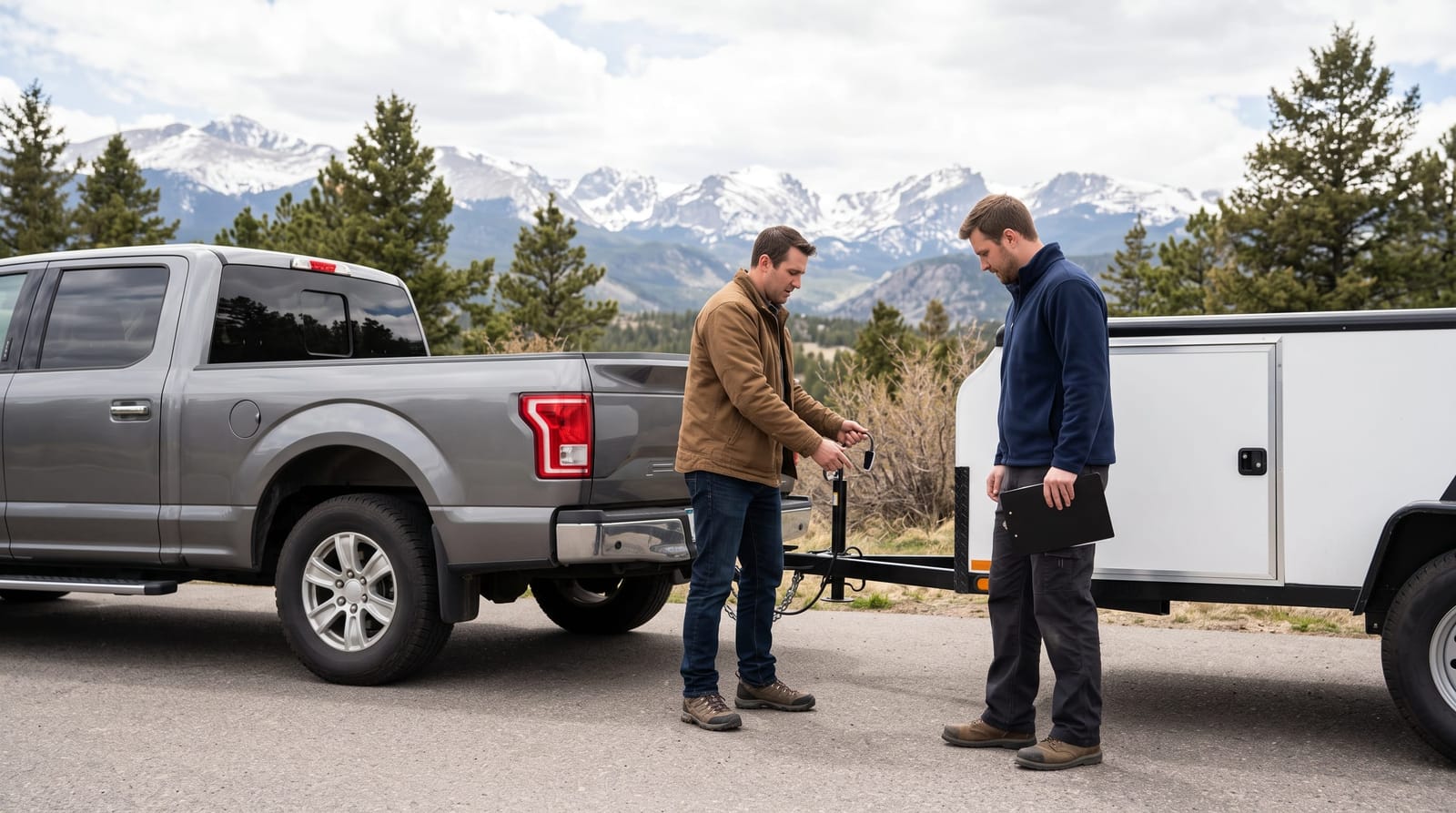
If you're hauling a fifth-wheel through Berthoud Pass or pulling a loaded gooseneck trailer across Weld County, the engine under your hood matters more than almost any other factor. The diesel vs. gas debate is one of the most common conversations among Colorado truck owners, and the answer isn't always as simple as "diesel wins." This comparison guide breaks down towing performance, altitude behavior, fuel economy, and long-term costs so you can make the right call for how you actually use your truck.
Torque and Towing Capacity: Where Diesel Has the Clear Edge
When it comes to raw towing muscle, diesel engines have a fundamental mechanical advantage: torque. Diesel engines produce peak torque at much lower RPMs than their gas counterparts. A current-generation Cummins 6.7L in a Ram 3500, for example, produces over 1,000 lb-ft of torque at relatively low engine speeds. That matters enormously when you're pulling a 20,000-pound trailer up a sustained 6% grade.
Gas engines, even large V8s like the 6.2L found in the Chevy Silverado HD or the 7.3L in the Ford Super Duty: produce respectable torque figures, but they typically need to spin higher in the RPM band to deliver it. That translates to more engine stress, more heat, and more transmission cycling during extended mountain climbs.
For context, here's how the platforms stack up on max conventional towing:
- Ford Super Duty 7.3L Gas: Up to ~15,000 lbs (F-350)
- Ford Super Duty 6.7L Powerstroke Diesel: Up to ~21,000 lbs (F-350)
- Ram 6.4L Hemi Gas: Up to ~17,540 lbs (Ram 3500)
- Ram 6.7L Cummins Diesel: Up to ~37,090 lbs (Ram 3500: fifth-wheel)
- Chevy 6.6L Gas V8: Up to ~17,370 lbs (Silverado 3500)
- Chevy 6.6L Duramax Diesel: Up to ~36,000 lbs (Silverado 3500)
If you're hauling at or near a truck's maximum rating, whether that's livestock, construction equipment, or a large RV, diesel isn't just preferred in Colorado's mountains. It's the only sensible choice.
Altitude Performance: A Critical Factor in Colorado
Colorado's terrain introduces a variable that doesn't come up much in flatlander truck comparisons: altitude. Denver sits at 5,280 feet. Mountain corridors like I-70 west of the tunnel regularly hit 11,000+ feet. That thinning air affects gas and diesel engines very differently.
Naturally aspirated gas engines lose roughly 3% of their power for every 1,000 feet of elevation gain. A gas engine that makes 400 horsepower at sea level might be producing closer to 330 horsepower cresting Eisenhower Tunnel: a meaningful reduction when you're already working the engine hard with a trailer in tow.
Turbocharged diesel engines are significantly more altitude-resistant. The turbocharger compensates for the reduced air density by pressurizing the intake charge, which maintains combustion efficiency at elevation. Powerstroke, Cummins, and Duramax engines all use high-pressure forced induction, which is exactly why diesel operators who tow frequently through mountain passes consistently report stronger, more consistent performance compared to gas truck owners doing the same routes.
This altitude resilience is one of the most frequently cited advantages in real-world Colorado towing comparisons, and it's a major reason why diesel is dominant among ranchers, contractors, and RV haulers across Weld County and the I-25 corridor.
Fuel Economy Under Load: The Numbers That Actually Matter
Unloaded, a modern gas truck can post surprisingly competitive fuel economy numbers: sometimes matching or even beating diesel on light-duty highway driving. But towing changes the equation substantially.
When hauling a heavy trailer through the Rockies, diesel engines typically deliver 15-25% better fuel economy under load than comparable gas engines. Over a 300-mile Colorado mountain route with a 14,000-pound trailer, that gap can represent a meaningful difference at the pump over a season of regular towing.
However, diesel fuel pricing adds complexity to this calculation. Diesel prices fluctuate relative to regular unleaded and can run higher depending on regional supply. Owners who tow infrequently, say, a few times per year, may find the fuel savings don't fully offset other cost differences. This is worth factoring into your actual use case rather than relying on general assumptions. For a detailed look at how long-term maintenance and repair costs compare, see our breakdown of diesel engine overhaul cost Colorado.
Maintenance Costs and Long-Term Ownership
This is where gas trucks reclaim some ground. Diesel engines are more complex: they involve high-pressure fuel injection systems, emissions equipment (DEF, DPF, EGR), turbocharger systems, and higher-capacity cooling systems. Routine service intervals are more involved, and when something does go wrong, repair costs tend to be higher than equivalent gas engine repairs.
The upfront purchase price difference is also significant. A diesel-optioned HD truck typically costs $8,000-$12,000 more than the same truck with a gas engine at the time of this writing, though market conditions vary. For buyers who tow light loads occasionally, that premium may never pay itself back in fuel savings or capability gains.
That said, diesel engines that are properly maintained are legendary for longevity. A well-kept Cummins or Duramax can comfortably reach 300,000-400,000 miles. That long service life changes the total ownership math for high-mileage commercial users and serious towers considerably.
It's also worth noting that diesel performance upgrades, tuning, injector work, turbo upgrades, can compound maintenance considerations. If you're exploring that path, understanding how modifications interact with factory warranties is important. Our post on diesel performance tuning Colorado warranty covers this topic in detail.
Which Truck Is Right for Your Colorado Use Case?
There's no universal correct answer, but there are clear patterns based on how Colorado owners actually use their trucks:
- Choose diesel if: You tow regularly (weekly or multiple times per month), haul loads over 12,000-15,000 lbs, drive mountain routes frequently, or plan to keep the truck for 200,000+ miles.
- Choose gas if: You tow occasionally (a few times per year), haul lighter loads (under 10,000 lbs), prioritize lower upfront cost and simpler maintenance, or primarily use your truck as a daily driver with occasional light hauling.
- Half-ton owners: If you're in a 1500-series truck, the gap narrows further. Modern half-ton diesels like the Ram 1500 EcoDiesel or Silverado 1500 3.0L Duramax offer excellent fuel economy and moderate towing capability, but they're not built for the same sustained heavy-haul use as HD diesel platforms.
Frequently Asked Questions
Does altitude really affect gas trucks that much when towing in Colorado?
Yes: the power loss from altitude is measurable and noticeable under load. Naturally aspirated and mild-boost gas engines lose efficiency as air density drops. If you're regularly towing on I-70 mountain corridors or routes in the high country, the sustained power difference between a diesel and a comparably rated gas truck becomes very apparent on long climbs.
Is diesel worth the extra purchase price for someone who only tows a few times a year?
For light, infrequent towing, the economics often don't favor diesel. The higher purchase price, diesel-specific maintenance costs, and emissions system upkeep can exceed the savings from better fuel economy if you're not putting significant tow miles on the truck. Gas makes more financial sense for occasional users. That said, capability and peace-of-mind are real factors: some owners pay the premium simply for confidence on challenging terrain.
What about DEF and emissions systems: are they a problem in Colorado's climate?
Colorado's cold winters can affect DEF (diesel exhaust fluid) systems: DEF freezes around 12°F, though modern trucks are designed to handle this. The bigger maintenance consideration for Colorado diesel owners is keeping DPF (diesel particulate filter) and EGR systems healthy, especially on trucks that do a lot of short-trip driving mixed with heavy towing. Regular highway use and proper maintenance intervals go a long way toward avoiding emissions system issues.
Do diesel trucks hold their value better in Colorado?
Generally, yes, especially HD diesel trucks in good condition. Colorado's agricultural areas, construction industry, and outdoor recreation culture create strong demand for capable tow vehicles. However, specific values vary significantly by mileage, condition, platform, and market timing. For personalized guidance on vehicle values, consult an automotive professional or industry valuation resource rather than relying on general trends.
Bottom Line: Diesel Dominates Heavy Colorado Towing
For serious towing across Colorado's mountains and plains, especially in Weld County and along the Front Range where ranching, construction, and recreation demand real capability, diesel engines offer advantages that gas trucks simply can't match at altitude under heavy load. Gas trucks remain a sensible, cost-effective choice for lighter, less frequent towing duty. Whatever platform you run, keeping it properly maintained by technicians who specialize in diesel systems ensures you're getting maximum performance and longevity from your investment. That's the foundation of everything we cover in our complete guide to diesel engine repair and performance in Fort Lupton.