Seasonal Fleet Maintenance Checklist for Colorado Winters and Summers
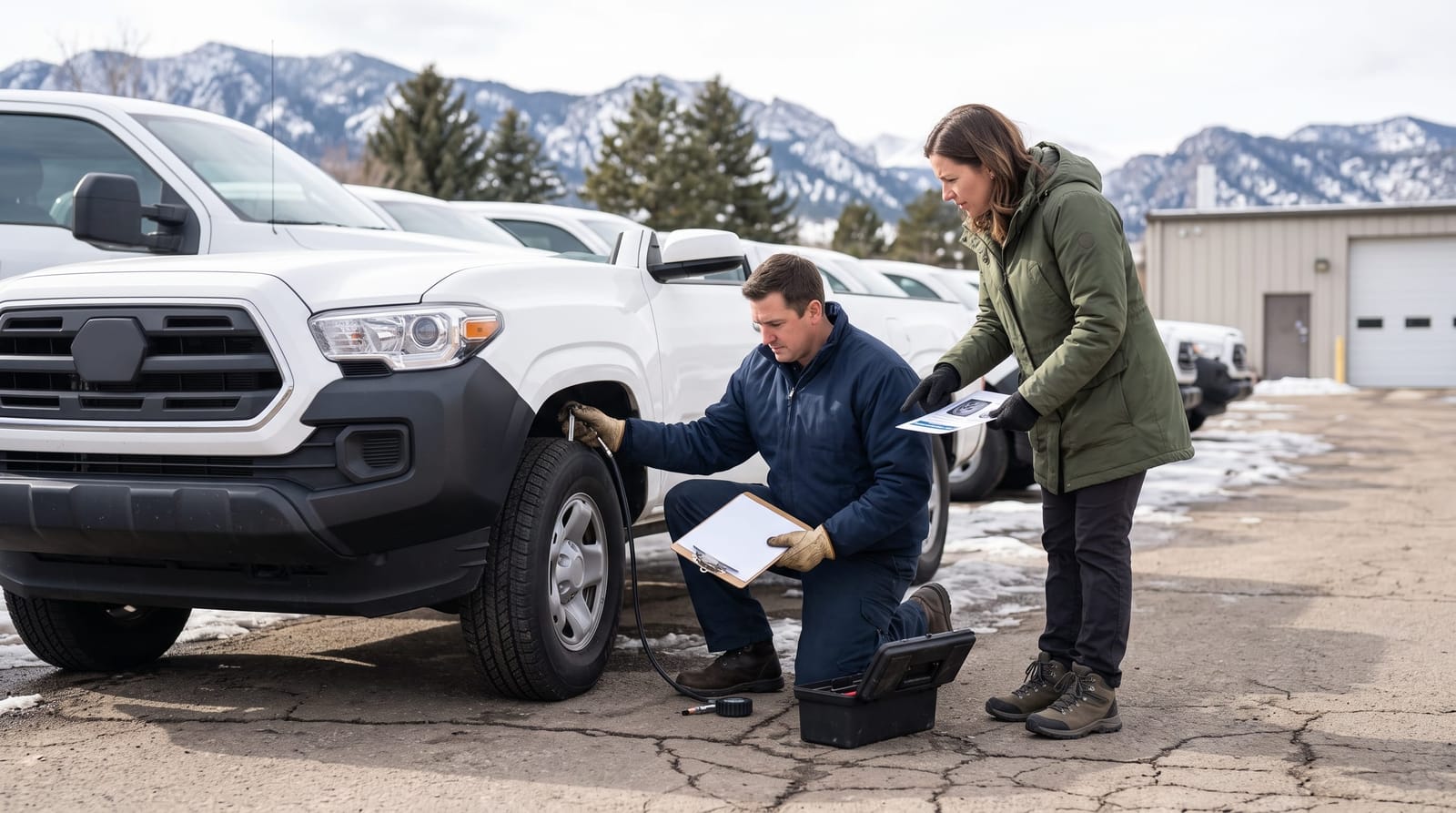
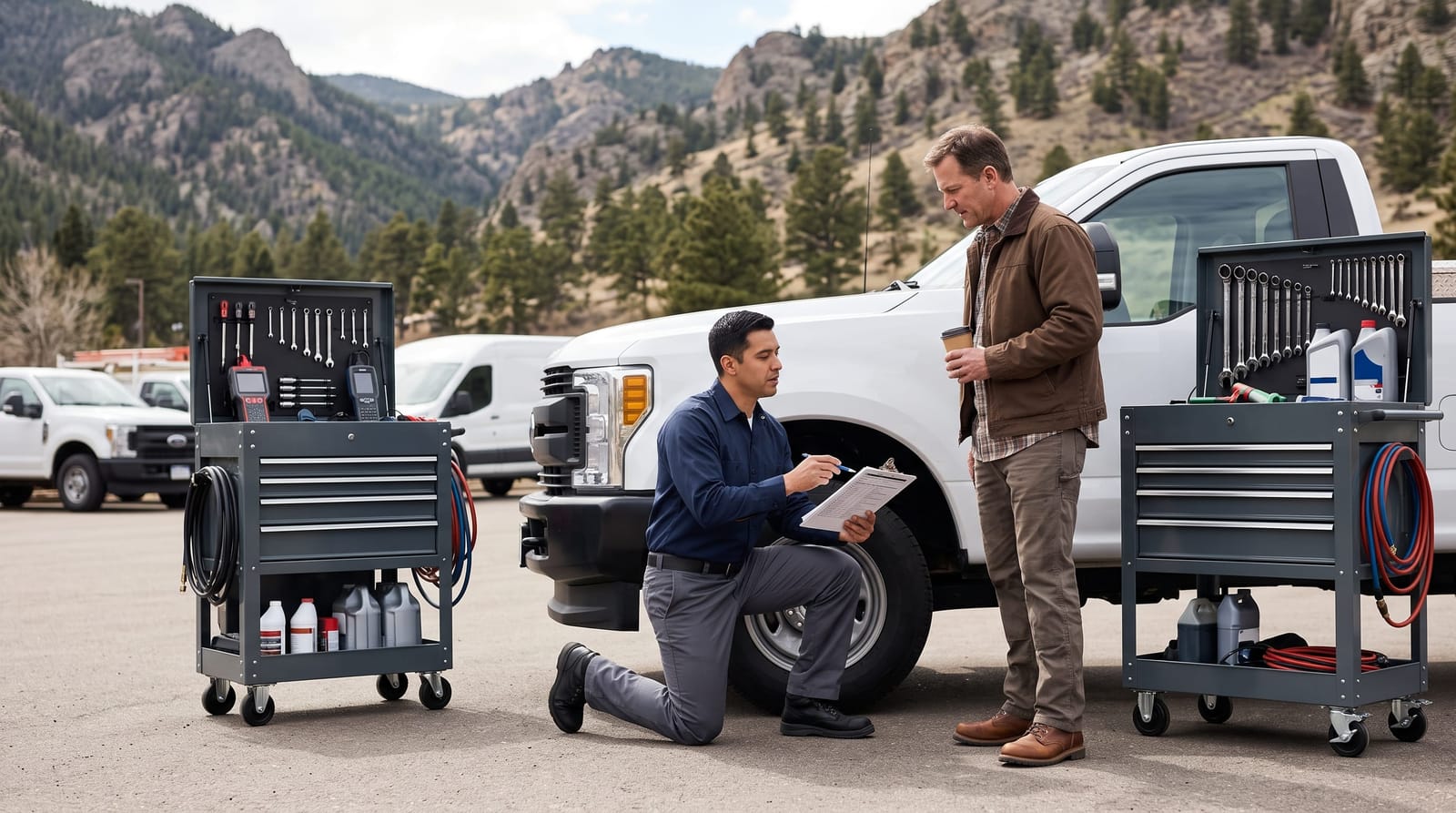
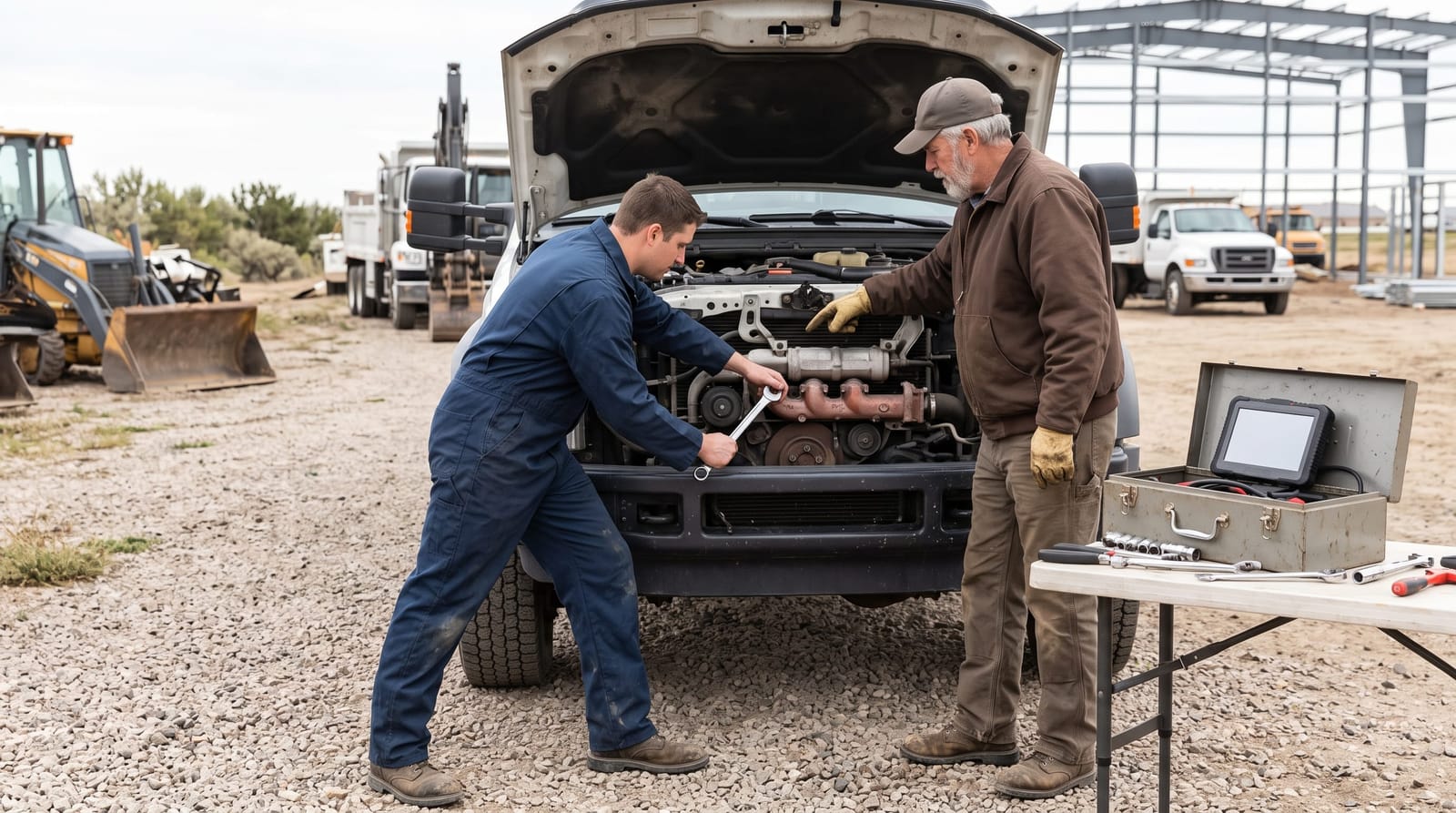
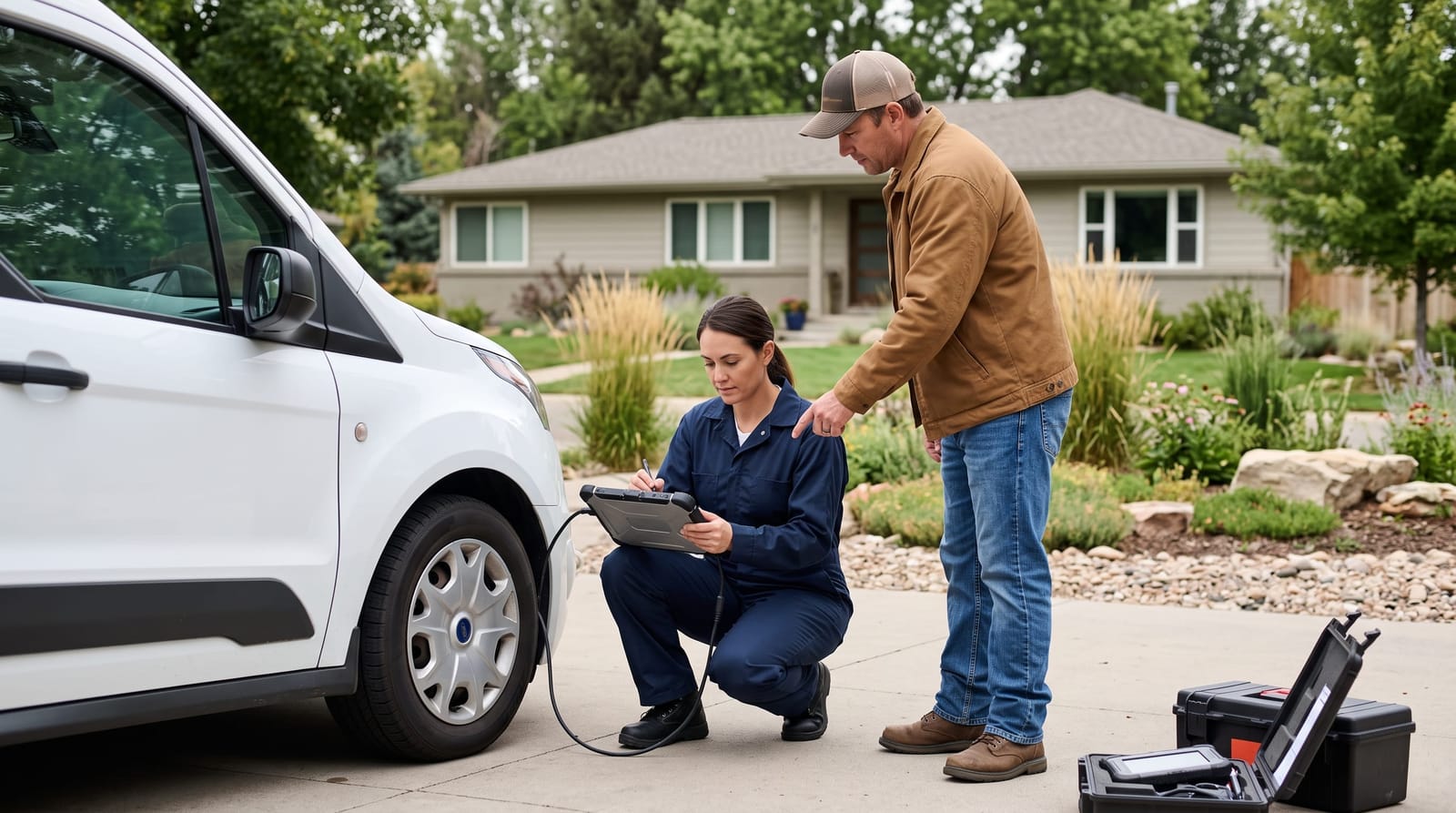
Colorado doesn't ease up on commercial vehicles. From sub-zero January mornings along the Front Range to scorching August afternoons in Weld County, your work trucks face punishment that most fleets in other states never experience. For fleet operators in Fort Lupton and the surrounding region, seasonal fleet maintenance Colorado conditions demand isn't optional: it's the difference between a productive week and a truck sitting in a field waiting on a repair crew. This checklist walks you through exactly what to inspect and service before each season hits.
1. Winter Pre-Season Checklist (September-November Prep)
Colorado winters arrive fast and without much warning. By the time the first hard freeze rolls through Weld County, you want every vehicle in your fleet already prepped. Waiting until December means rushed service, backlogged shops, and trucks that aren't ready when the temperature drops overnight.
Battery and Electrical System
- Test battery load capacity: cold temperatures dramatically reduce battery output, and a battery that starts fine in October may fail by January
- Inspect terminals for corrosion and ensure connections are clean and tight
- Check the alternator output to confirm it's keeping up with increased electrical demands (block heaters, heated mirrors, extra lighting)
- Test glow plugs on diesel vehicles before sustained cold hits
Coolant and Antifreeze
- Test coolant freeze protection: it should be rated to at least -34°F for Colorado conditions
- Inspect hoses and clamps for cracks, soft spots, or swelling that cold temperatures will worsen
- Flush and replace coolant if it's been more than two years or 50,000 miles
Four-Wheel Drive and Drivetrain
- Engage 4WD in all modes before winter arrives: frozen or seized transfer case components surface fast when you actually need them
- Inspect CV joints, u-joints, and axle seals for wear or leaking grease
- Check differential fluid levels and condition, especially on high-mileage trucks
Tires and Traction
- Measure tread depth across all tires: Colorado has traction laws that apply on certain roadways during winter conditions, and fleet operators should consult a qualified transportation compliance professional for guidance specific to their routes and vehicle class
- Check tire pressure: cold air causes pressure to drop, typically about 1 PSI per 10°F temperature drop
- Inspect sidewalls for cracking, bulges, or damage from summer haul loads
- Consider dedicated winter tires for vehicles operating regularly in mountain corridors or on unpaved county roads
Fluids and Visibility
- Switch to a winter-rated windshield washer fluid (rated to -20°F or lower)
- Check wiper blade condition and replace worn blades before the first snow
- Inspect brake fluid moisture content: absorbed moisture lowers the boiling point and increases fade risk
- Verify that diesel vehicles use an anti-gel additive or winter-blend fuel to prevent gelling in extreme cold
2. Post-Winter Inspection Checklist (March-April)
Winter is hard on commercial vehicles in ways that don't always show up immediately. Road salt, freeze-thaw cycles, and sustained cold-weather operation create a category of damage that only becomes visible once the season ends. A post-winter inspection catches problems before they turn into summer failures.
- Undercarriage inspection: Look for rust acceleration, frame corrosion, and damage to brake lines or fuel lines from road salt exposure
- Brake system full inspection: Check rotors for scoring or warping from cold-weather braking patterns, inspect pads for uneven wear, and examine caliper slides for seizing
- Suspension and steering: Winter potholes and frozen road surfaces are brutal on ball joints, tie rods, and shocks: inspect everything before summer load seasons begin
- Exhaust system check: Salt accelerates exhaust component corrosion; look for rust-through on pipes, mufflers, and hangers
- Fluid changes: Engine oil, transmission fluid, and gear oils that handled winter conditions should be evaluated for contamination or breakdown
Understanding what these inspections cost over time is worth knowing, if you're building a fleet maintenance budget, reviewing fleet maintenance cost small business Colorado can help you plan realistically for both seasonal and ongoing service expenses.
3. Summer Pre-Season Checklist (May-June Prep)
Colorado summers bring their own set of demands: high-altitude UV exposure, long haul days in triple-digit heat indexes, and cooling systems that work overtime. Fleets operating construction, agriculture, or delivery routes in Weld County during summer need vehicles that can handle sustained heat without breaking down mid-shift.
Cooling System Deep Inspection
- Pressure test the cooling system to identify slow leaks that heat will turn into rapid failures
- Inspect the radiator for clogging, fin damage, or external debris from winter and spring operation
- Check the water pump for bearing play or weeping seals
- Verify thermostat function: a stuck-closed thermostat causes rapid overheating in summer conditions
- Inspect all coolant hoses again for heat-related deterioration
Air Conditioning System
- Test A/C output temperature at the vents: weak cooling in June becomes no cooling in August
- Check refrigerant charge levels and inspect for leaks at fittings and the compressor
- Inspect the condenser for debris, bent fins, or collision damage that reduces airflow
- Verify blower motor function on all fan speeds
Brakes for Summer Load Conditions
- Measure brake pad thickness and rotor condition: summer haul seasons put maximum load on brake systems
- Inspect brake hoses for cracking or swelling that heat accelerates
- Check trailer brake connections and brake controller calibration on towing vehicles
Tires for Heat and Load
- Re-check and adjust tire pressure: hot pavement and summer heat cause pressure to increase, which changes handling and wear patterns
- Inspect tires for heat-related sidewall cracking or tread separation, especially on older tires
- Verify load ratings match your summer haul requirements
4. Building a Year-Round Seasonal Maintenance Schedule
The most effective approach to seasonal fleet maintenance in Colorado isn't reacting to the calendar: it's building a structured schedule that anticipates each season's demands six to eight weeks in advance. Fleets that operate on a documented maintenance schedule experience significantly less unplanned downtime than those that service vehicles reactively.
A practical year-round structure looks like this:
- September-October: Full winter prep inspection and service
- December-January: Mid-winter fluid and electrical check-in
- March-April: Post-winter damage inspection and corrective service
- May-June: Full summer prep inspection and A/C service
- August: Mid-summer cooling system and brake check before peak harvest and construction push
When you're looking for a service partner who knows your equipment and your operation, working with a fleet mechanic Fort Lupton Brighton CO businesses trust means faster turnaround and service that fits your schedule rather than disrupting it.
Frequently Asked Questions
How far in advance should I schedule seasonal fleet maintenance in Colorado?
Aim to schedule seasonal prep six to eight weeks before the season begins. For winter, that means booking service in September or early October, before the first freeze and before other fleets flood local shops with last-minute requests. For summer prep, May appointments fill quickly as construction and agriculture fleets ramp up.
Do all commercial vehicles need the same seasonal maintenance checklist?
The core checklist applies broadly, but specific vehicles have additional requirements. Diesel trucks need anti-gel fuel treatment in winter. Vehicles that tow heavy trailers require more frequent brake inspections. High-mileage trucks may need cooling system flushes more often than newer units. A customized maintenance plan based on each vehicle's age, mileage, and use is more effective than a one-size-fits-all schedule.
What's the biggest seasonal maintenance mistake Colorado fleet operators make?
Skipping the post-winter inspection. Most operators focus on winterizing and summer prep but overlook the damage winter actually caused. Road salt corrosion, suspension damage from frozen roads, and brake wear from cold-weather stops go undetected until they cause a breakdown during the busy summer season: exactly when you can least afford downtime.
Can seasonal maintenance be handled during off-hours to avoid losing vehicle uptime?
Many fleet service providers offer early morning, late afternoon, or staggered scheduling to keep vehicles out of service for the shortest time possible. Discussing your operational schedule upfront with your maintenance provider allows them to prioritize work that can be completed quickly and flag items that require longer shop time so you can plan accordingly.
Keep Every Truck Ready for Whatever Colorado Throws at It
Colorado's climate doesn't give commercial fleets much margin for error. A battery that's borderline in October becomes a no-start in January. A cooling system with a slow leak in May becomes an overheated engine in August. The seasonal fleet maintenance checklist above isn't exhaustive for every vehicle type, but it covers the critical systems that Colorado's winters and summers stress most. CTDS works with fleet operators across Fort Lupton and Weld County to build maintenance schedules that keep trucks working year-round: contact us to set up a seasonal service plan before the next season catches you off guard.