Transmission Fluid Leak Repair in Fort Lupton CO: Causes, Costs & What to Expect
A transmission fluid leak might start as a few spots in your driveway: easy to ignore, easy to write off as "not a big deal." But for diesel truck owners who depend on their rigs for towing, hauling, and daily work, a small leak left unaddressed can spiral into a full transmission rebuild. This guide covers the most common leak points on diesel truck transmissions, how to tell a transmission leak from other fluids under your truck, and exactly what Colorado Transmission & Diesel Specialists (CTDS) does to fix leaks properly at their Fort Lupton location. Whether your truck is dripping or pouring, here's what you need to know before the damage compounds.
The Most Common Transmission Leak Points on Diesel Trucks
Diesel trucks, Powerstroke, Duramax, Cummins, put serious strain on their transmissions. Higher torque loads, heavier towing demands, and more heat cycles mean the seals, gaskets, and lines that keep fluid contained wear out faster than on a light-duty gas vehicle. Knowing where leaks typically originate helps you communicate clearly with your shop and understand what's being repaired.
Pan Gasket
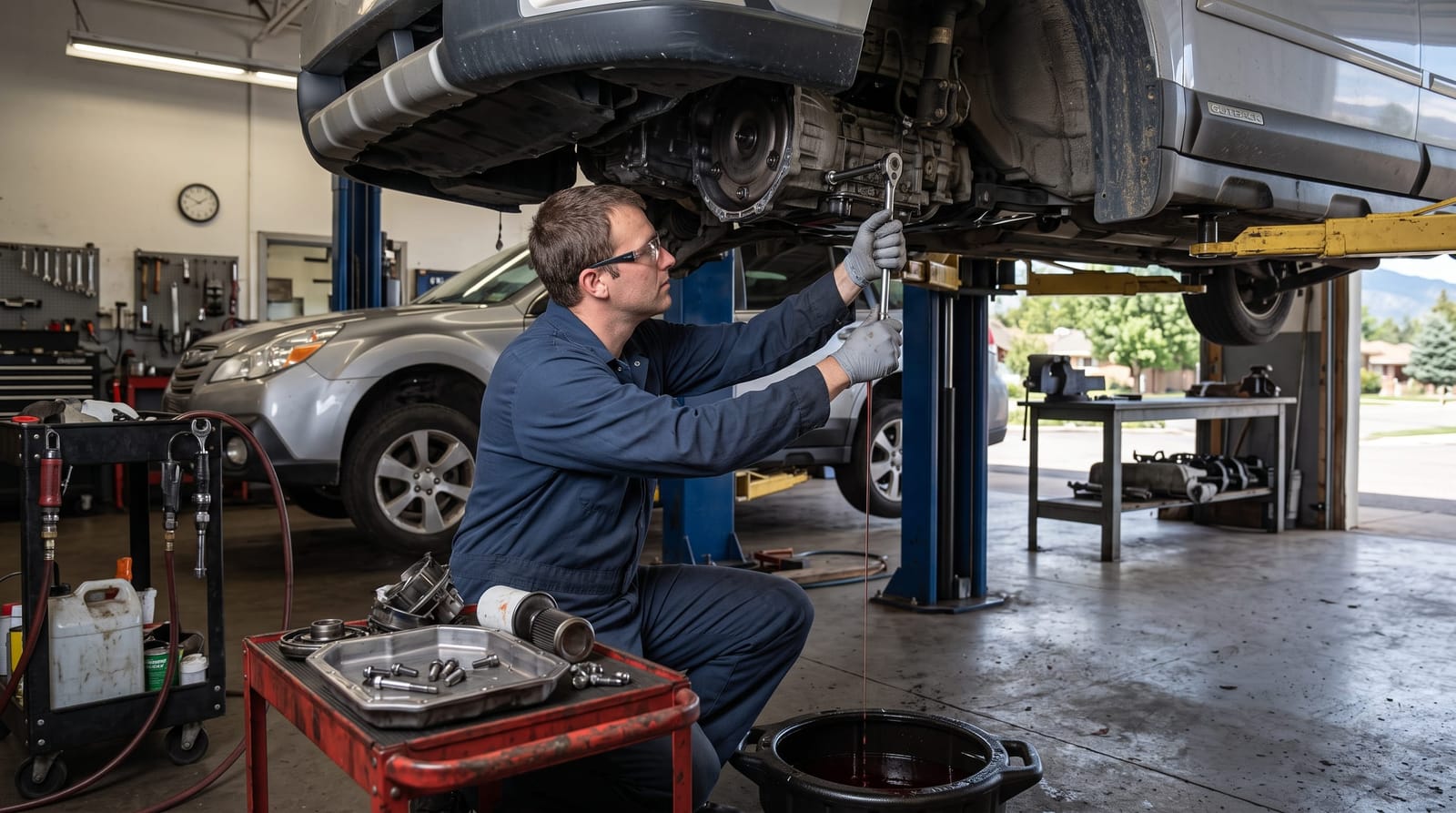
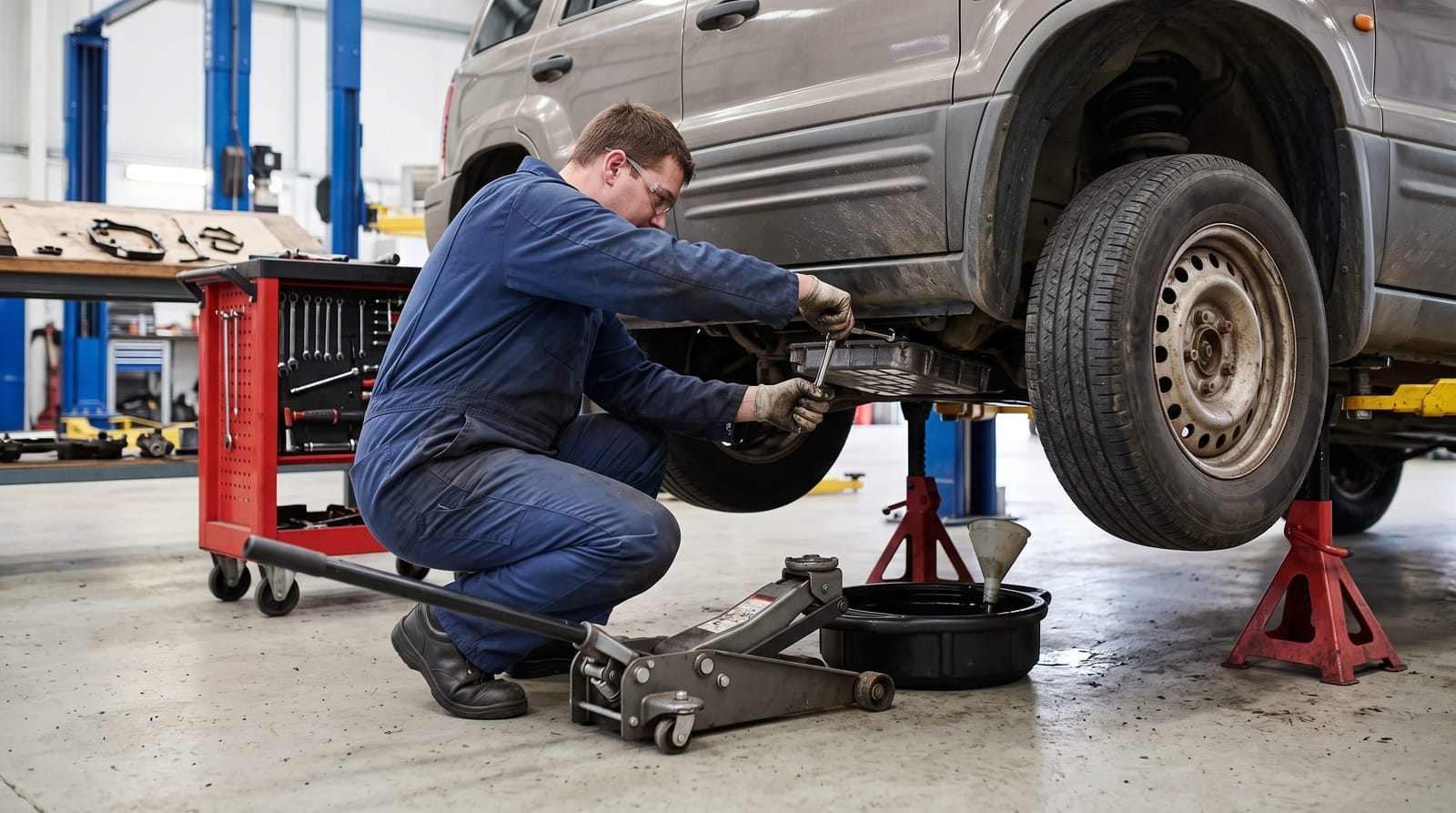
The transmission pan sits at the bottom of the unit and holds the fluid reservoir. The gasket that seals it to the transmission body is one of the most common leak sources, especially on older trucks or those that have had previous pan drops. Over time, the gasket compresses, hardens, and loses its seal. You'll typically notice fluid pooling directly under the center or rear of the truck.
Cooler Lines
Diesel transmissions generate significant heat, especially under towing loads. Transmission cooler lines, the metal or rubber lines that route fluid to the radiator or an external cooler, are exposed to constant pressure, temperature swings, and road debris. Fittings can loosen, rubber sections can crack, and metal lines can corrode or chafe through. A cooler line leak often sprays fluid across a wide area rather than dripping in one spot, making it harder to pinpoint without a proper inspection.
Front Seal
The front pump seal sits where the torque converter meets the transmission body. When it fails, fluid leaks at the bellhousing area. This repair typically requires removing the transmission to access the seal: it's more labor-intensive than a pan gasket, but it's a standard repair at a shop equipped for diesel drivetrain work.
Rear Seal (Output Shaft Seal)
The rear seal keeps fluid contained where the output shaft exits the transmission and connects to the driveshaft. Rear seal leaks are common on high-mileage trucks and can be mistaken for a differential or transfer case leak because the fluid tends to migrate along the driveshaft. A careful inspection is needed to trace the origin correctly.
How to Identify Transmission Fluid vs. Other Fluids
Not every puddle under your diesel is transmission fluid, and misidentifying it can send your diagnosis in the wrong direction. Here's how to tell the difference:
- Transmission fluid is typically red to reddish-brown (darkening with age and heat), has a slightly oily, slightly sweet smell, and has a medium viscosity: thinner than gear oil, thicker than water.
- Engine oil is brown to black, heavier, and will pool under the front of the engine rather than the mid-to-rear area where the transmission sits.
- Coolant is usually bright green, orange, or pink, has a distinctly sweet smell, and a much thinner consistency. It doesn't feel oily between your fingers.
- Gear oil (differential or transfer case) is very thick, dark, and has a strong sulfur smell that's hard to miss. It pools under the axles or transfer case rather than the transmission body.
- Power steering fluid is similar in color to new transmission fluid but typically found near the front of the vehicle under the engine compartment.
Location matters: transmission fluid leaks typically appear under the center to rear underside of the truck. If you're unsure, don't guess: bring the truck to CTDS and let a diesel drivetrain specialist trace it correctly before you spend money on the wrong repair.
Why a Small Leak Becomes an Expensive Problem Fast
Here's the reality of transmission fluid leaks that a lot of truck owners learn the hard way: transmissions don't tolerate low fluid the way engines can, at least not for long. The fluid in your transmission does three jobs simultaneously: it lubricates internal clutch packs and bearings, it transfers hydraulic pressure that controls gear shifts, and it carries heat away from internal components.
When fluid level drops even slightly, hydraulic pressure drops with it. Shifts become erratic, harsh, or delayed. Clutch packs that depend on proper fluid pressure for clean engagement start slipping and burning. Heat builds faster because there's less fluid to absorb and transfer it. What starts as a $150 pan gasket job can become a $2,000+ rebuild if the truck is driven too long on low fluid.
The other problem with slow leaks is that they mask themselves. Your transmission might still shift fine today, giving you a false sense of security: right up until a critical component fails under load. Diesel trucks pulling trailers or hauling heavy loads are especially vulnerable because towing multiplies the heat and stress on an already-compromised system.
If you're wondering whether your transmission fluid needs more than just a top-off, it's worth understanding what a full fluid service involves: a topic covered in depth in our post on what a transmission flush actually does for diesel trucks and whether your rig needs one.
What CTDS Does to Fix Transmission Leaks in Fort Lupton
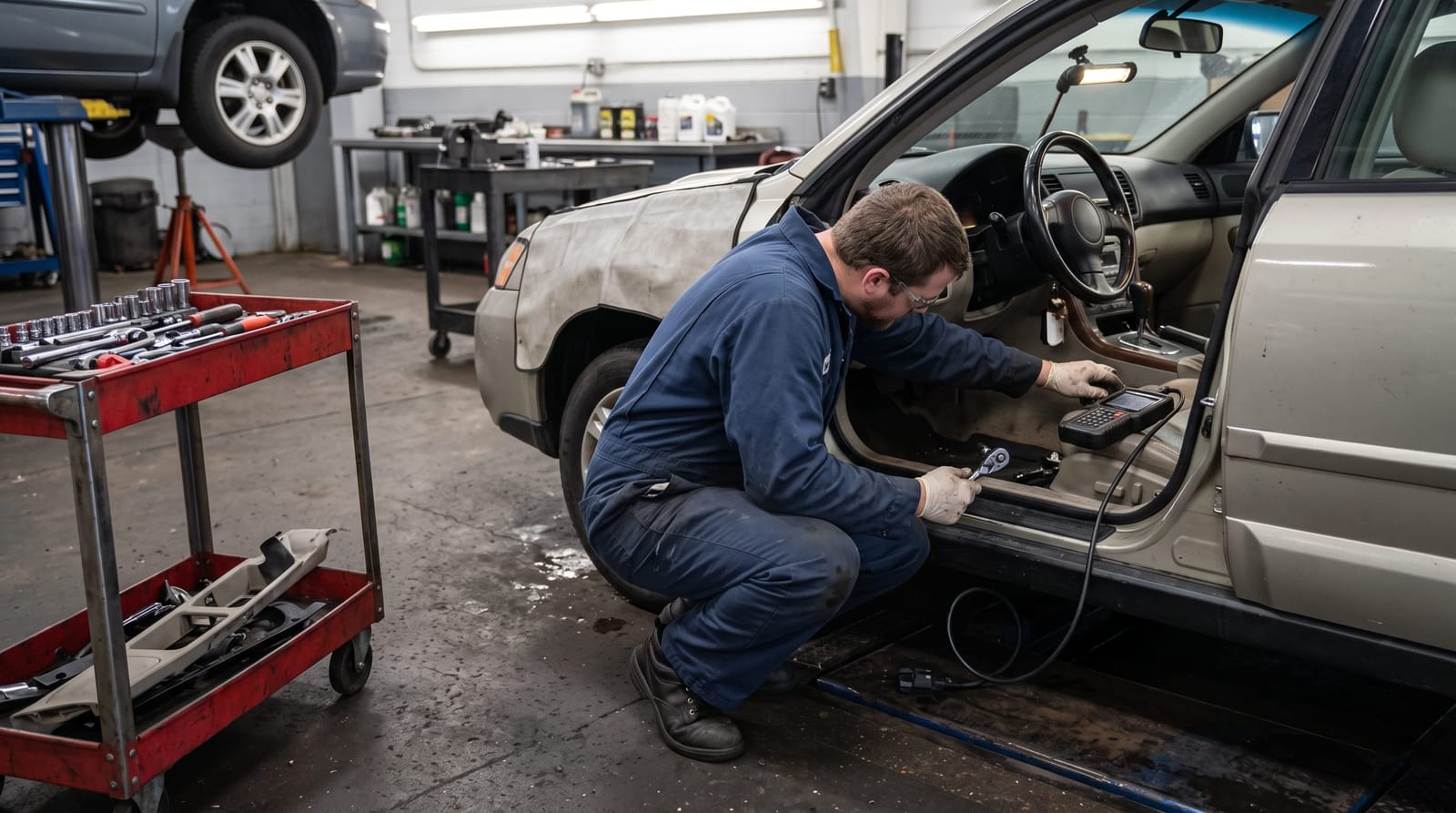
At Colorado Transmission & Diesel Specialists on Denver Ave in Fort Lupton, transmission leak diagnosis and repair follows a process built around diesel drivetrain expertise, not the generic approach you'd get at a quick-lube or a general auto shop.
The process typically works like this:
- Visual inspection and fluid tracing: The truck goes up on the lift for a full underside inspection. Technicians identify where the fluid is originating, not just where it's landing. Dye testing may be used to pinpoint hard-to-trace leaks.
- Leak source confirmation: The specific failed component is identified: pan gasket, cooler line, front seal, rear seal, or another point. An honest shop tells you exactly what's leaking and why before any work begins.
- Repair with quality parts: Replacement gaskets, seals, and lines are diesel-appropriate. CTDS understands that the tolerances and demands on a Duramax or Powerstroke transmission differ from a light-duty gas application.
- Fluid check and top-off or full service, After the repair, fluid is checked and corrected to the proper level. Depending on how long the leak has been active and the condition of the existing fluid, a full fluid service may be recommended at the same time.
- Post-repair inspection: The truck is run, cycled through gears, and re-inspected to confirm the leak is sealed and the transmission is operating correctly.
Pricing for transmission leak repair varies depending on the leak source and labor involved. A pan gasket replacement is one of the more straightforward jobs. A front seal repair that requires transmission removal is significantly more involved. CTDS provides honest, upfront estimates so there are no surprises when you pick up your truck.
Frequently Asked Questions
How do I know if my transmission is leaking or if it's something else?
The most reliable way is to look at the color, consistency, and location of the fluid. Transmission fluid is red to reddish-brown, has a medium oily consistency, and typically pools under the mid-to-rear section of the truck. If you're not certain, a shop inspection is the fastest way to get an accurate answer: guessing and adding the wrong fluid can cause additional problems.
Can I drive my diesel truck with a transmission fluid leak?
It depends on the severity. A very slow seep might give you some time, but there's no reliable way to know how fast the fluid level is dropping without monitoring it closely. Driving with low transmission fluid, especially under towing or heavy-load conditions, risks accelerated internal wear and potential failure. The safest approach is to have any confirmed leak inspected promptly rather than assuming it's minor enough to ignore.
How long does transmission leak repair take?
A pan gasket replacement can often be completed in a few hours. A front or rear seal repair that requires transmission removal typically takes longer, often a full day or more depending on the truck and shop workload. CTDS can give you a more specific time estimate once the leak source is confirmed during inspection.
Does fixing a transmission leak require a full fluid flush?
Not always, but it's often a good time to evaluate the fluid condition. If the fluid is dark, smells burnt, or the leak has been active long enough to drop the level significantly, a full service may make sense while the transmission is already partially serviced. Your technician can advise based on what they find during the repair.
Don't Let a Small Leak Turn Into a Major Rebuild
Transmission fluid leaks are one of those problems where early action saves real money. A pan gasket, a cooler line fitting, a rear seal: these are manageable repairs when caught before the fluid level drops and the internal damage begins. Colorado Transmission & Diesel Specialists in Fort Lupton specializes in exactly this kind of diesel drivetrain work, with the expertise to diagnose correctly and repair it right the first time. For a broader look at keeping your diesel transmission healthy long-term, visit the complete diesel truck transmission service guide for Colorado truck owners.