Diesel Tuning in Colorado: Does Performance Tuning Void Your Warranty?
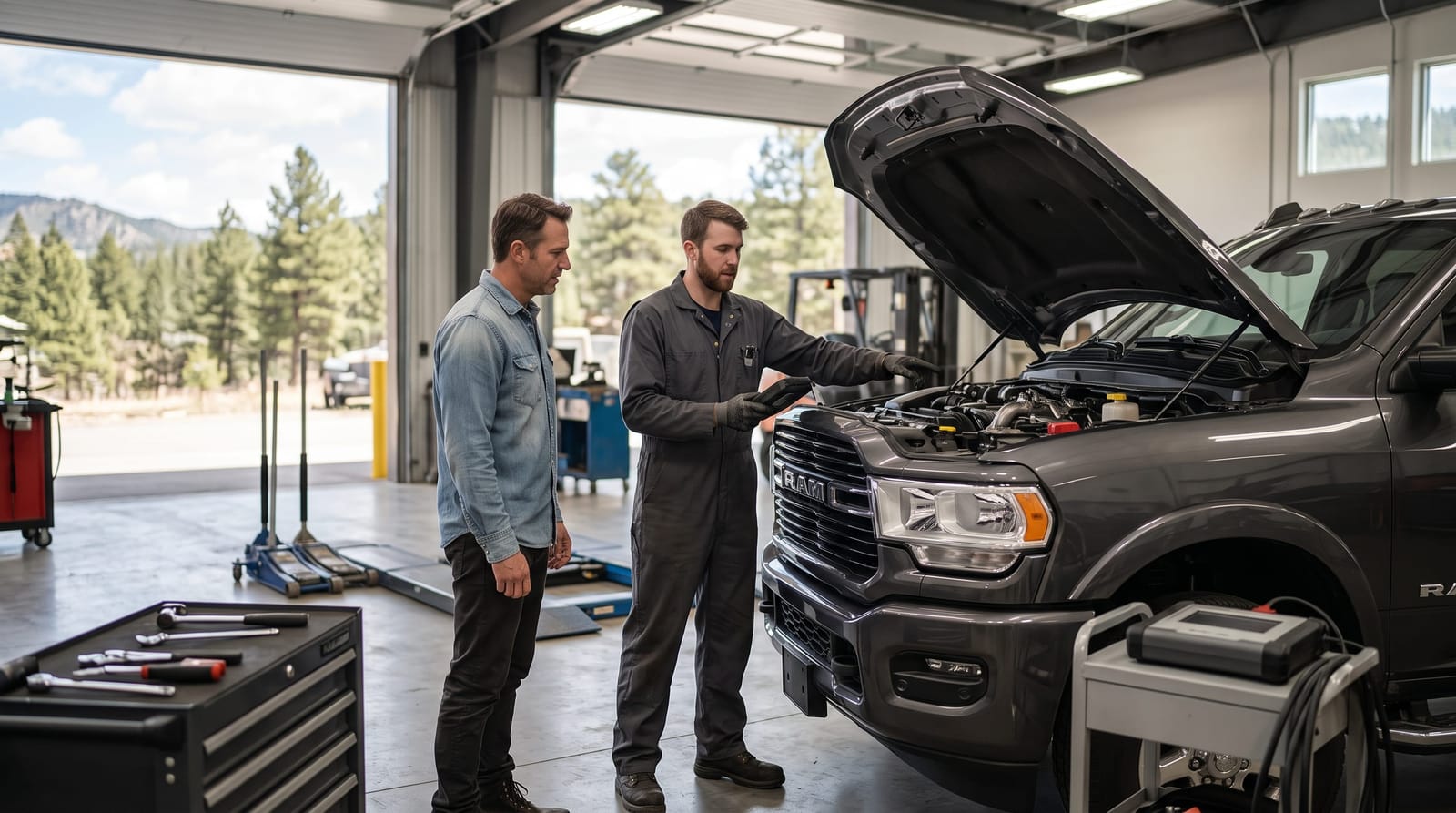
If you own a Powerstroke, Cummins, or Duramax truck and you've been thinking about a performance tune, one question probably keeps coming up: will this void my warranty? It's one of the most common concerns we hear from diesel owners across Weld County and the North Denver suburbs, and the answer is more nuanced than a simple yes or no. This beginner's guide breaks down what you actually need to know about diesel performance tuning Colorado warranty rules, your rights as a truck owner, and how to make a smart decision for your specific situation.
Why Diesel Trucks Get Tuned in the First Place
From the factory, diesel engines are deliberately conserved. Manufacturers detune output to meet federal emissions standards, extend component life across a broad range of operators, and reduce the frequency of warranty claims. The result is a truck that has significantly more potential than the factory settings allow.
A performance tune, whether it's a simple economy tune to stretch fuel mileage on long hauls or an aggressive power tune for towing heavy loads through the mountains, adjusts parameters like fuel injection timing, boost pressure, and air-fuel ratios to unlock that potential. Colorado's altitude adds another layer: at 5,000 to 8,000 feet, a well-calibrated tune can actually help your diesel compensate for the thinner air and maintain more consistent performance than stock settings provide.
Common goals for diesel performance tuning in Colorado include:
- Increased horsepower and torque for mountain towing
- Improved fuel economy on highway runs and long commutes
- Better throttle response and drivability at elevation
- Enhanced towing stability and transmission shift points
Understanding why you want a tune helps you choose the right type, and helps a professional tuner dial in settings that serve your actual driving needs rather than just chasing peak dyno numbers.
The Magnuson-Moss Warranty Act: What It Generally Means for Truck Owners
Here's where a lot of diesel owners are surprised. There is a federal law, commonly known as the Magnuson-Moss Warranty Act, that generally protects consumers from having their warranty voided simply because they added aftermarket parts or modifications. This legislation has been around since the 1970s and has real implications for how dealerships can handle warranty claims.
In general terms, the law means a dealer or manufacturer cannot deny a warranty claim on a blanket basis just because your truck has been modified. To deny a specific claim, they typically need to show that the modification in question actually caused the problem you're bringing in for service.
For example: if you have a performance tune installed and then your driver's side window regulator fails, the two are almost certainly unrelated. The warranty claim for the window should stand. However, if you've pushed injection pressure beyond stock limits and you show up with a cracked injector, the connection is harder to argue around.
This is educational context, not legal advice: every warranty situation is different, and your specific truck, dealer, and circumstances matter. If you have questions about your warranty rights, consulting with a qualified attorney or contacting the Federal Trade Commission's consumer resources is always worth the effort.
Colorado-Specific Emissions Rules You Cannot Ignore
Colorado has strict emissions testing requirements for vehicles registered in the Denver Metro area and several Front Range counties, including parts of Weld County. This is where tuning gets more complicated, because there's an important line between a performance tune and an emissions defeat device.
Tampering with emissions control systems, including diesel particulate filters (DPF), exhaust gas recirculation (EGR) systems, or selective catalytic reduction (SCR) components, is not only a potential warranty issue, it can be a violation of federal environmental law and Colorado state regulations. Trucks modified with emissions defeat devices may fail state emissions testing, making them legally non-compliant for road use in affected areas.
Professional, responsible diesel performance tuning in Colorado works within your emissions system, not around it. This is a critical distinction:
- Responsible tuning: Optimizes fuel, boost, and timing within compliant parameters: your emissions equipment stays intact and functional.
- Emissions tampering: Deletes or disables DPF, EGR, or SCR systems: illegal for road use and a serious liability risk.
If a shop offers to "delete" your emissions system as part of a performance package, understand the legal exposure that comes with it before making any decisions. For trucks used exclusively off-road and never registered for highway use, the rules differ, but for any street-driven truck in Colorado, emissions compliance is non-negotiable.
The Practical Reality: Most Tuned Trucks Are Out of Factory Warranty Anyway
Here's a practical point that often gets lost in the warranty conversation: the majority of diesel truck owners considering performance tuning are driving trucks that are already outside the factory warranty window. A 2017 Powerstroke, a 2016 Cummins, or a 2015 Duramax has long since cleared the standard powertrain warranty period.
For these owners, the warranty question is largely theoretical, but that doesn't mean quality and professionalism stop mattering. In fact, it's more important than ever, because there's no manufacturer coverage to fall back on if something goes wrong. A reputable tuning shop uses calibrated software, documents their work, and understands how each platform behaves under increased load.
This is also where long-term engine health becomes the real conversation. If you're weighing a tune against the potential cost of engine wear, it may be worth reviewing what a diesel engine overhaul cost Colorado looks like, because a tune that's dialed in correctly by a professional should support engine longevity, not undermine it. Overtuning, cheap mail-order files, or generic flashes not calibrated for your specific truck's condition can create problems that cost far more than the tune itself.
Trucks still under an extended warranty or a dealer service contract are worth a closer look before tuning. Review your contract terms carefully and consider speaking with the warranty administrator directly.
How to Approach Tuning Responsibly as a Colorado Diesel Owner
If you've decided tuning is right for your truck, here's a practical starting framework:
- Know your warranty status. Check your truck's current mileage against your factory and any extended warranty terms before scheduling a tune.
- Choose a professional tuner with diesel-specific experience. Generic automotive tuning shops are not the same as diesel specialists. Platform knowledge: Powerstroke vs. Cummins vs. Duramax: matters significantly.
- Insist on dyno verification. A tune that's confirmed on a dynamometer gives you documented, real-world numbers, not just theoretical claims from a software screen.
- Stay emissions-compliant. Confirm that any tuning work leaves your DPF, EGR, and SCR systems fully intact and operational, especially if your truck is registered in an emissions-testing county.
- Get documentation. A reputable shop will document what was done, what software was used, and what changes were made. That paper trail matters.
Frequently Asked Questions
Can a dealer refuse a warranty claim just because I have a tune installed?
Under federal consumer protection legislation, a dealer generally cannot void your entire warranty solely because of an aftermarket modification. However, they may deny a specific claim if they can demonstrate a direct connection between the modification and the failure. Each situation is different: consult a qualified attorney if you believe a warranty claim has been improperly denied.
Is diesel performance tuning legal in Colorado?
Performance tuning that optimizes fuel, boost, and timing parameters without modifying or disabling emissions control systems is generally legal for street-driven vehicles in Colorado. Emissions defeat devices, including DPF and EGR deletes, are not legal for road use under federal and state regulations. Always confirm compliance before any tuning work is performed.
Will tuning hurt my diesel engine long-term?
A professionally calibrated tune, appropriate for your truck's condition and intended use, should not cause long-term harm. In many cases, a well-tuned engine runs more efficiently and with less stress than a factory-detuned engine working harder than necessary. Poorly calibrated or overly aggressive tunes are the risk, which is why the quality of the tuner matters as much as the tune itself.
What's the difference between a performance tune and an economy tune?
A performance tune prioritizes maximum power output and is common for trucks used in heavy towing or competition. An economy tune focuses on fuel efficiency by optimizing combustion efficiency at normal load ranges. Many professional shops offer multiple tune files for a single truck so owners can switch between modes based on how they're using the vehicle that day.
The Bottom Line for Colorado Diesel Owners
Diesel performance tuning in Colorado and warranty protection are not mutually exclusive, but they require informed decisions. Federal consumer protection law generally prevents blanket warranty denials based on aftermarket modifications, while Colorado emissions rules draw a clear line against systems that tamper with pollution controls. For the majority of diesel owners driving trucks outside their factory warranty period, the real focus should be on tuning quality, emissions compliance, and long-term engine health. At CTDS, our tuning services are performed by diesel specialists who understand your platform, and the responsibilities that come with doing this work right.