EGR Cooler Failure in Diesel Trucks: Symptoms & Repair Options
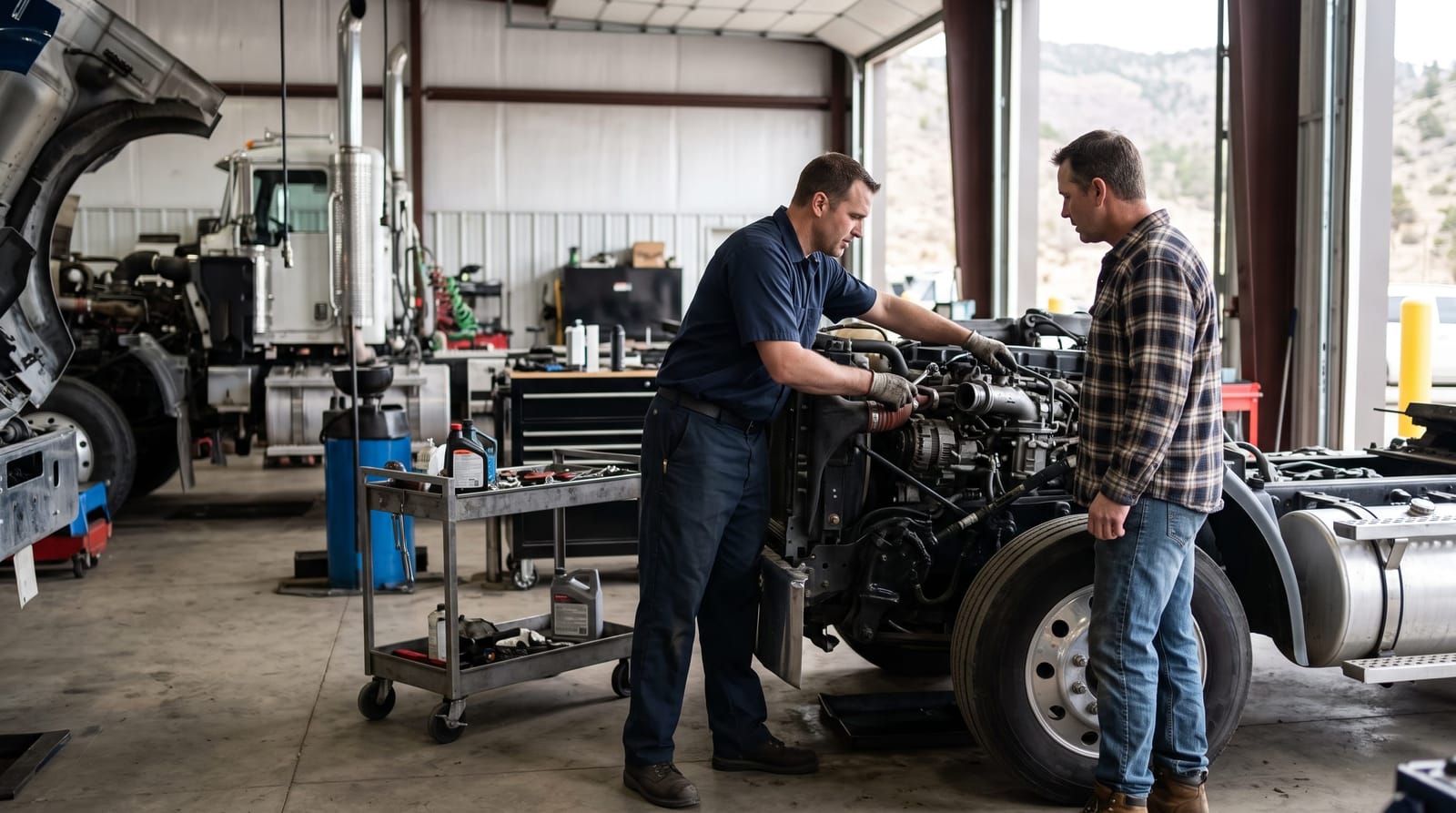
If you own a Ford 6.0L or 6.4L Powerstroke, or really any diesel pickup, the EGR cooler is one of the components most likely to give you grief. It's a small part with a big job, and when it fails, the consequences can escalate quickly from a minor annoyance to a full engine disaster. This post covers what the EGR cooler actually does, the warning signs that it's failing, and what your repair options look like at a specialist diesel shop serving Fort Lupton, CO and the surrounding Weld County area.
1. Understand What Your EGR Cooler Actually Does
The Exhaust Gas Recirculation (EGR) system is designed to reduce nitrogen oxide (NOx) emissions by routing a portion of exhaust gases back into the engine's intake. The problem is that raw exhaust gas is extremely hot: too hot to safely re-enter the intake manifold without causing damage. That's where the EGR cooler comes in.
The EGR cooler uses engine coolant to drop the temperature of those recirculated exhaust gases before they re-enter the intake. It essentially acts as a small heat exchanger tucked into your exhaust circuit. On the Ford 6.0L Powerstroke in particular, the EGR cooler is notorious for being undersized relative to the heat load the engine produces, which is a primary reason the 6.0L has such a well-documented history of EGR cooler failures.
When the EGR cooler is working correctly, you won't notice it at all. When it starts to fail, however, the effects ripple through multiple systems, coolant, combustion, and engine temperatures, in ways that are hard to ignore for long.
Why 6.0L and 6.4L Powerstroke Owners Should Pay Extra Attention
Ford's 6.0L (2003-2007) and 6.4L (2008-2010) Powerstroke engines are the most commonly affected platforms in this area. The 6.0L's EGR cooler design allows exhaust soot to accumulate and cause internal cracking under thermal stress. The 6.4L uses a dual EGR cooler setup that solved some problems but introduced others, including a higher risk of coolant contamination when either cooler cracks. Owners of these trucks in Colorado's climate, with significant temperature swings between seasons, face accelerated thermal cycling that can speed up cooler degradation.
2. Recognize the Warning Signs Before They Become Catastrophic
EGR cooler failure rarely happens all at once. It typically progresses through stages, and catching it early is the difference between a manageable repair and a full engine teardown. Here are the most important symptoms to watch for:
- White smoke from the exhaust: This is often the most visible sign. When a cracked EGR cooler allows coolant to leak into the exhaust stream, the coolant burns off as white or gray-white smoke. It's particularly noticeable at startup or under load. Don't confuse this with normal condensation smoke on a cold morning: EGR-related white smoke tends to persist after the engine warms up.
- Unexplained coolant loss: If you're topping off your coolant reservoir more than usual but don't see any external puddles under the truck, coolant may be disappearing internally through a cracked cooler. This is one of the trickier symptoms because the loss can be gradual before it becomes severe.
- Rising coolant temperatures or overheating: A compromised EGR cooler reduces the overall cooling efficiency of the system. If your temperature gauge is running higher than normal, or you're getting overheat warnings under towing or highway load, the EGR cooler should be on your diagnostic list.
- Coolant contamination (milky oil or frothy coolant): If the cooler failure is significant, coolant can enter the intake and eventually mix with engine oil. Milky, frothy oil on the dipstick or cap is a serious warning that needs immediate attention.
- Reduced power or rough idle: Exhaust gas contaminated with coolant, or a clogged EGR passage, can disrupt combustion and cause noticeable power loss or unstable idling.
Any one of these symptoms warrants a professional inspection. More than one appearing together is a strong indicator the EGR cooler has already failed or is very close to it.
3. Know the Consequences of Ignoring EGR Cooler Problems
This is where truck owners sometimes make a costly mistake. EGR cooler failure feels gradual enough that it's tempting to keep driving and deal with it later. That's a gamble that rarely pays off.
Here's what's at stake if a failing EGR cooler goes unaddressed:
- Hydrolocking: If enough coolant accumulates in the intake manifold and cylinders, you can hydrolock the engine: meaning liquid enters a cylinder where only air and fuel should compress. Hydrolocking can bend connecting rods and cause catastrophic internal engine damage in a fraction of a second.
- Head gasket failure: The combination of overheating and combustion contamination dramatically increases head gasket stress, especially on the 6.0L Powerstroke where head bolt design is already a known weakness.
- EGR valve and intake damage: Coolant that makes it into the intake system can coat and damage the EGR valve, intake manifold passages, and intercooler: turning a single component failure into a multi-system repair.
- Complete engine replacement: In worst-case scenarios, engines that have run with significant coolant contamination or suffered hydrolocking may be damaged beyond economical repair.
The repair cost difference between catching an EGR cooler failure early versus late is substantial. Early diagnosis is almost always the better financial and mechanical outcome.
4. Understand the Diagnostic Process at a Diesel Specialist
A proper EGR cooler diagnosis isn't just a visual inspection, a thorough evaluation is needed to understand the full scope of the problem before any repair decisions are made. At Colorado Truck & Diesel Service (CTDS), the diagnostic process for a suspected EGR cooler failure on a Powerstroke or other diesel platform typically involves several steps:
- Coolant system pressure test: Pressurizing the cooling system reveals internal leaks that wouldn't be visible from outside the engine. This confirms whether the cooler is leaking and, if so, at what rate.
- Coolant sample analysis: Checking for combustion gases or exhaust byproducts in the coolant helps confirm that exhaust and coolant circuits have crossed.
- Intake and intercooler inspection: If coolant has already entered the intake side, technicians assess whether downstream components have been compromised.
- Oil inspection: Checking for emulsification in the oil determines whether the contamination has reached the lubrication system.
- Live data scanning: Monitoring EGR temperatures, coolant temps, and exhaust parameters through the OBD system can reveal abnormal operating patterns that confirm cooler degradation.
This diagnostic sequence matters because it prevents technicians from simply replacing a cooler and missing secondary damage, which can lead to repeat failures or ongoing problems after the repair.
5. Choose the Right Repair Strategy for Your Truck
Once the diagnosis is confirmed, you'll typically have a few repair pathways to discuss with your technician. The right choice depends on the severity of the failure, the truck's overall condition, and your goals for it going forward.
- Direct EGR cooler replacement: Replacing the OEM cooler with a quality aftermarket unit is the standard repair for a straightforward failure without secondary damage. For 6.0L Powerstroke owners especially, upgraded aftermarket coolers with improved flow and materials are available that outperform the original design.
- EGR cooler + head gasket service (6.0L Powerstroke): Because the 6.0L is so prone to head gasket failure alongside EGR cooler issues, many experienced diesel shops recommend addressing both together when the engine is already partially disassembled. This avoids a second major labor event shortly after the first.
- Full EGR system service: In cases where soot buildup has clogged the EGR passages and valve in addition to a failed cooler, a complete EGR system cleaning and service may be warranted to restore proper function.
- Coolant flush and system decontamination: Any time coolant contamination has occurred, a thorough cooling system flush is part of the repair, not optional. Coolant mixed with exhaust byproducts degrades quickly and can damage the new cooler if left in the system.
It's also worth noting that decisions about emissions equipment like EGR systems have regulatory implications. For context on how Colorado diesel owners navigate related emissions system decisions, see our discussion of DPF delete vs clean Colorado diesel: the regulatory landscape matters any time you're making changes to factory emissions components.
Frequently Asked Questions
How long can I drive with a failing EGR cooler?
Continuing to drive on a confirmed EGR cooler failure is risky and not recommended. The timeline to serious engine damage depends on how severe the leak is, but coolant loss and overheating can escalate quickly, especially under towing or load conditions common in Weld County and the Front Range. If you're seeing white smoke or unexplained coolant loss, having the truck inspected promptly is the safest course of action.
Is EGR cooler failure covered under warranty?
Coverage depends on the age of your truck, your warranty type, and whether any prior modifications affect your coverage terms. Extended warranties and Ford's historical powertrain programs have covered EGR cooler failures on certain model years. For your specific situation, particularly regarding warranty eligibility or coverage disputes, consulting directly with your warranty provider or a licensed advisor is the right step.
Does every 6.0L Powerstroke eventually need an EGR cooler replacement?
The 6.0L Powerstroke has a well-documented history of EGR cooler failure across the platform. While not every truck fails at the same mileage, the design limitations of the factory cooler mean a significant percentage of 6.0L owners encounter this repair at some point: particularly in higher-mileage trucks or those used for towing. Preventive maintenance, including regular coolant condition checks, can help catch problems early.
Can a diesel shop in Fort Lupton handle EGR cooler work on a 6.4L Powerstroke?
Yes. The 6.4L Powerstroke's dual EGR cooler system is more complex than the 6.0L setup but is well within the scope of a qualified diesel specialist. The key is working with a shop that has specific Powerstroke diagnostic experience, appropriate tooling, and familiarity with the 6.4L's known failure patterns: rather than a general automotive shop encountering the system for the first time.
Bottom Line: Don't Wait on EGR Cooler Issues
EGR cooler failure is one of the most predictable, and preventable, major repair scenarios for Ford Powerstroke owners. The symptoms are recognizable, the diagnostic process is well-established, and the repair options are straightforward when caught before secondary damage occurs. For diesel pickup owners in Fort Lupton, Greeley, and the surrounding Weld County communities, CTDS offers the Powerstroke-specific expertise and diagnostic equipment to get this repair done right the first time. If your truck is showing any of the warning signs covered here, don't wait: the cost of early action is a fraction of what deferred repairs can become.