Why Is My Diesel Truck Losing Power? Common Causes & Fixes
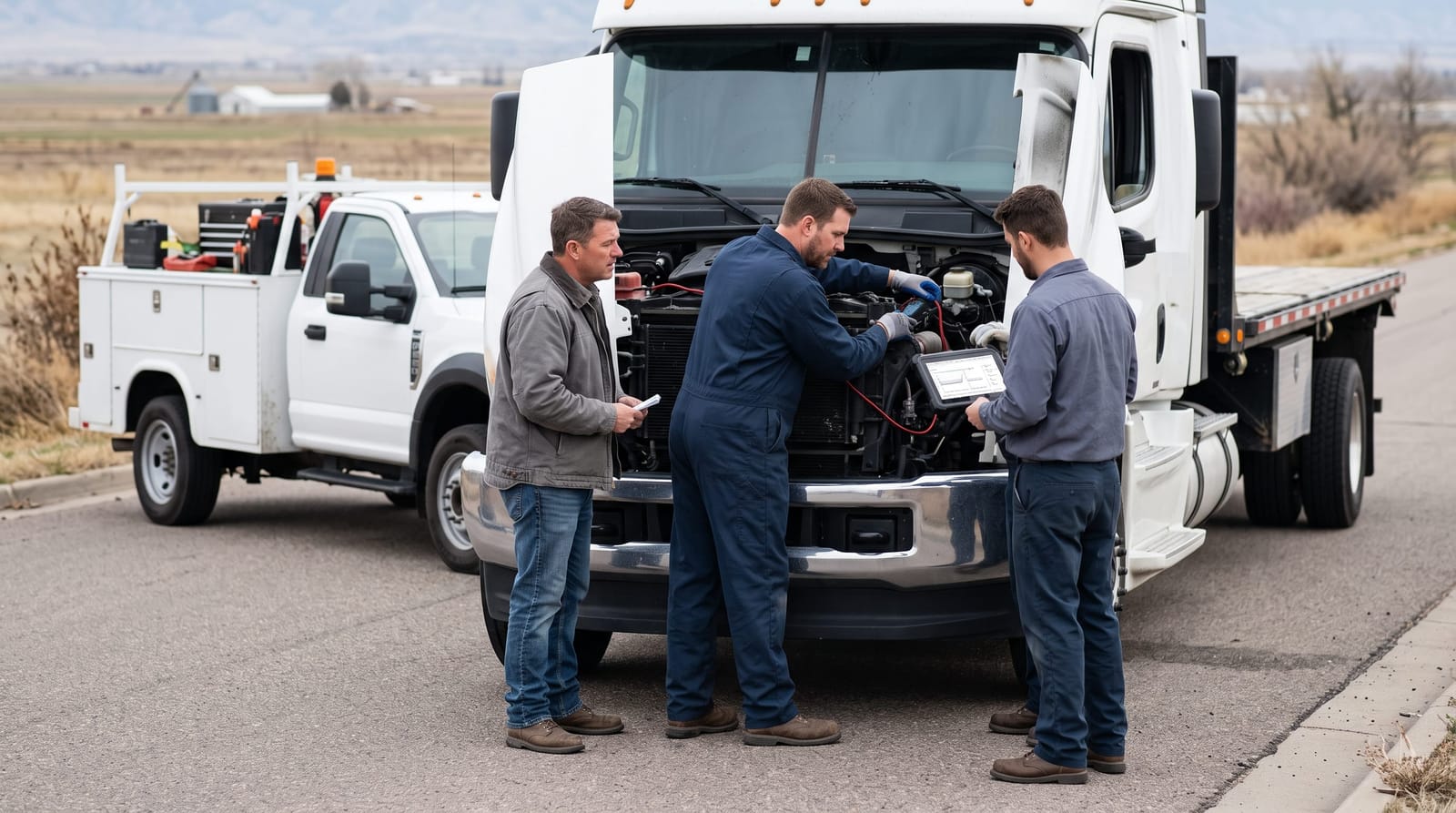
There are few things more frustrating than a diesel truck that used to pull hard and now feels like it's running out of steam, especially when you're hauling a trailer across Weld County or climbing grades on I-25. If you've been searching for answers around diesel truck losing power in Fort Lupton, CO, you're in the right place. This guide walks through the most common causes of diesel power loss, how each one is diagnosed, and what it takes to fix them, so you can stop guessing and start getting your truck back to full strength.
What "Power Loss" Actually Means in a Diesel Engine
Before diving into causes, it helps to understand what power loss really looks like. It's not always a dramatic breakdown. In most cases, diesel truck owners notice:
- Sluggish acceleration under load or when towing
- Excessive black or gray smoke from the exhaust
- Longer times to reach highway speed
- RPMs climbing but power not translating to the wheels
- A truck that used to pull confidently but now struggles on hills
These symptoms can point to a wide range of issues: some simple, some serious. The key is systematic diagnosis, not parts-swapping. Throwing injectors or a turbo at the problem without pinpointing the cause is an expensive gamble. That's why a structured diagnostic process matters, especially for Powerstroke, Cummins, and Duramax platforms that each have their own known failure points.
The Five Most Common Causes of Power Loss in Diesel Trucks
1. Clogged Diesel Particulate Filter (DPF)
The DPF is one of the most frequent culprits behind gradual power loss: particularly in trucks that see a lot of short-trip, low-load driving. The filter captures soot from combustion, and when it can't regenerate properly, it becomes restricted. Your engine's ECU responds by pulling back fuel delivery and limiting turbo boost to protect the system. The result is a truck that feels gutless, especially under load.
Signs of a clogged DPF include:
- Reduced power that worsens the longer you drive
- DPF warning light or regeneration light on the dash
- Increased fuel consumption
- A forced regeneration cycle that doesn't clear the fault
At CTDS, DPF diagnosis involves reading soot load percentage and differential pressure data from the truck's ECU, not just pulling codes. A clogged filter may need a forced regen, a professional cleaning, or in severe cases, replacement.
2. Failing or Dirty Fuel Injectors
Injectors are precision components. When they wear, clog, or begin to leak internally, the combustion event becomes inconsistent, and power suffers. On high-mileage Powerstrokes and Cummins engines in particular, injector problems are a known wear item. Symptoms often include rough idle, misfires, visible smoke, and a noticeable drop in towing capability.
Injector diagnosis at CTDS goes beyond a generic code scan. It includes:
- Cylinder contribution testing to identify weak or overperforming cylinders
- Return flow testing on common-rail systems
- Smoke and idle quality evaluation under load
Injector issues caught early can sometimes be addressed with cleaning. Advanced wear typically requires replacement: ideally in sets to maintain balanced combustion across all cylinders.
3. Boost Leaks in the Turbo Charge Pipe System
A diesel engine's power comes from how much compressed air the turbocharger can force into the combustion chamber. When there's a leak anywhere between the turbo outlet and the intake manifold, cracked intercooler boots, loose clamps, a split charge pipe, that pressurized air escapes before it reaches the cylinders. The result is a truck that builds boost but can't hold it under throttle.
Boost leaks are common in Colorado's climate, where extreme temperature swings cause rubber boots and couplers to crack and harden over time. They're also easy to miss without pressurizing the intake system and physically inspecting every connection. CTDS uses a dedicated charge pipe pressure test to locate leaks quickly: no guesswork involved.
4. EGR System Problems
The Exhaust Gas Recirculation system routes a portion of exhaust gases back into the intake to reduce emissions. When the EGR valve sticks open, gets carboned up, or the EGR cooler fails, it introduces excessive hot, low-oxygen exhaust into the intake stream. This directly dilutes the air charge your engine needs for full combustion, and power drops as a result.
EGR-related power loss is especially common in 6.0L and 6.4L Powerstrokes, as well as certain Duramax LMM configurations. Warning signs include:
- White smoke at startup that clears slowly
- Coolant loss with no visible external leak (a sign of EGR cooler failure)
- Poor throttle response in mid-range RPM
- Codes related to EGR flow or temperature sensors
5. Fuel Delivery Problems: Lift Pump and Fuel Filter
A diesel engine needs a consistent, adequate supply of fuel at the correct pressure. When the lift pump weakens or fails, the high-pressure injection system can't operate at spec, and the engine responds with reduced power, hard starts, and rough running under load. A clogged fuel filter produces similar symptoms and is often the first thing to check.
If your truck is losing power specifically when towing, climbing grades, or at sustained highway speeds, fuel delivery issues are a strong candidate. For a deeper look at this failure mode, the diagnostics involved in lift pump failure and fuel system repair are covered in detail for trucks across the Greeley and Weld County area.
How CTDS Diagnoses Power Loss Systematically
At Colorado Truck & Diesel Service in Fort Lupton, CO, power loss diagnosis isn't a process of elimination through parts replacement. It's a structured, data-driven workflow that includes:
- Initial scan and data logging: Reading live data from the ECU, boost pressure, fuel rail pressure, EGR position, exhaust temps, and DPF differential pressure, before and during a simulated load.
- Boost system pressure test: Pressurizing the charge pipe system to identify any leaks between the turbocharger and the intake manifold.
- Fuel system pressure and flow testing: Confirming lift pump output pressure and volume, and testing fuel filter restriction.
- Cylinder contribution test: Isolating individual cylinder performance to detect injector-related imbalances.
- Visual inspection: Looking for cracked boots, loose clamps, signs of oil in the intake, coolant discoloration, and exhaust smoke quality.
This process allows CTDS technicians to confidently identify the root cause before recommending any repair: saving truck owners time, money, and unnecessary downtime.
Frequently Asked Questions
How do I know if my diesel is losing power from a boost leak or a bad injector?
Both can cause sluggish performance, but there are clues. A boost leak often gets worse as boost pressure builds, so the truck may feel okay at light throttle but fall flat at wide-open throttle. A failing injector usually causes rough idle, cylinder misfires, or visible exhaust smoke. A proper diagnosis with live data and a boost leak test will separate the two quickly and accurately.
Can a clogged DPF actually damage my engine if I keep driving?
Yes, extended operation with a severely restricted DPF can cause back-pressure buildup that stresses the turbocharger and exhaust system. The ECU will enter a limp or reduced-power mode to protect the engine, but continuing to defer service increases the risk of additional damage. If your DPF light is on and power is reduced, it's worth getting it inspected promptly.
Why does my diesel truck only lose power when towing or under heavy load?
Load-dependent power loss is a classic sign of a fuel delivery problem or a boost leak. At light throttle, the system may have just enough capacity to perform, but under the higher demand of towing or grades, the deficiency becomes obvious. Fuel lift pump weakness and charge pipe leaks are two of the most common culprits in this pattern, especially in high-mileage trucks operating in Weld County's varied terrain.
Is power loss always a serious repair, or can it sometimes be a quick fix?
It varies widely. A loose intercooler boot or a plugged fuel filter can be fixed quickly and affordably. A failed EGR cooler or worn injectors represent more involved repairs. The important thing is getting an accurate diagnosis first: what looks like a minor boost leak on the surface can sometimes point to a larger underlying issue. Skipping diagnosis to save time usually costs more in the long run.
Conclusion: Don't Let Power Loss Go Undiagnosed
Diesel trucks are built to work hard, and when they stop performing at the level you depend on, it's not something to put off. Whether you're dealing with a clogged DPF, a struggling lift pump, leaking boost pipes, or worn injectors, the right starting point is always an accurate, data-driven diagnosis. CTDS serves diesel truck owners across Fort Lupton, Greeley, and the surrounding Weld County area with the platform-specific knowledge that Powerstroke, Cummins, and Duramax owners need. If your truck is losing power, bring it in before a manageable problem becomes a major overhaul.