How to Maintain a High-Mileage Diesel Truck: Tips for 200K+ Miles
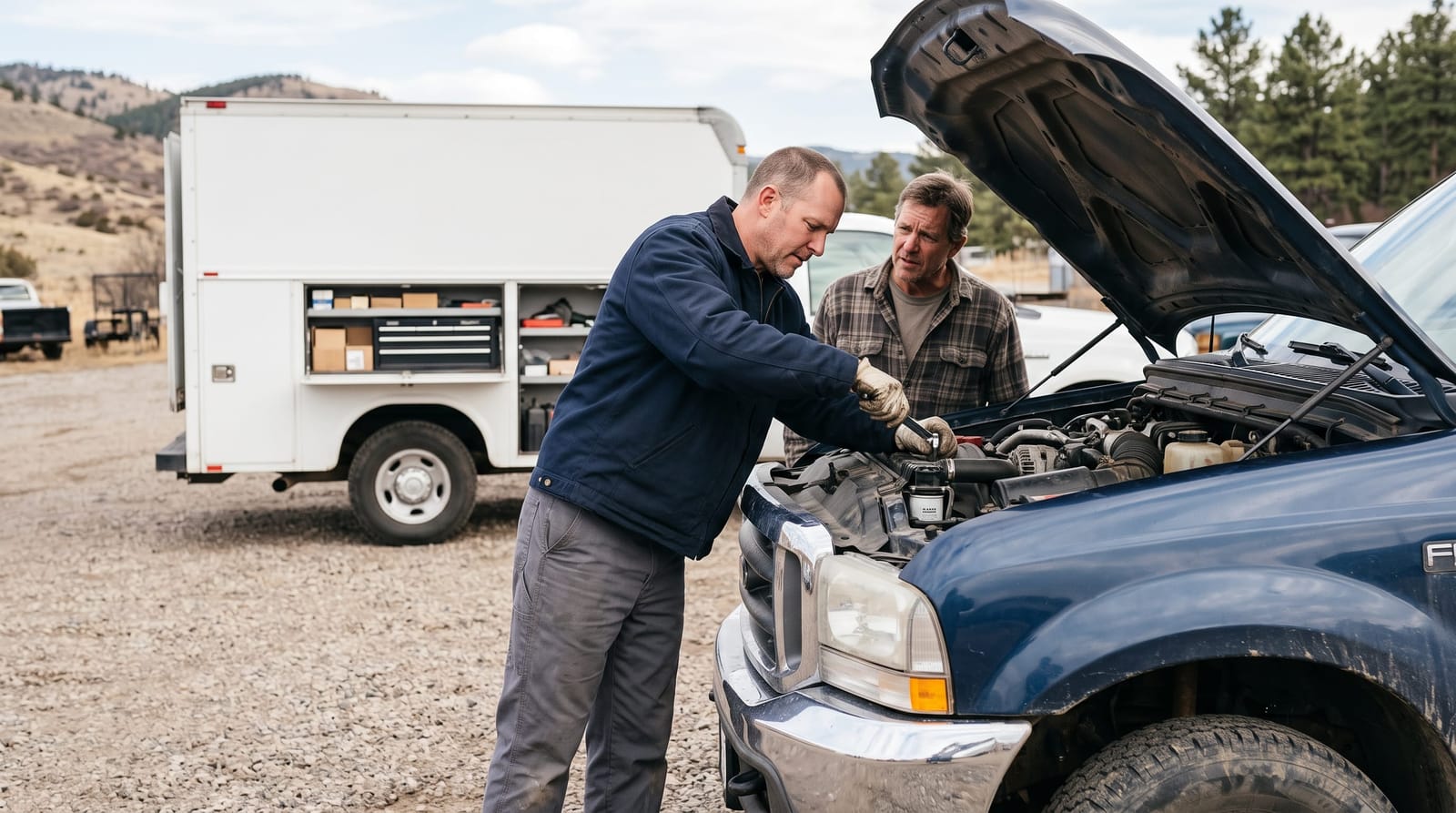
If your Cummins, Powerstroke, or Duramax has crossed the 200,000-mile mark, you already know something most truck buyers don't: a well-built diesel engine is just getting warmed up. Plenty of diesel pickups in Colorado are still hauling loads, pulling trailers, and running job sites well past 300,000 miles, but only when their owners treat maintenance seriously. This guide covers the key systems you need to stay on top of to keep a high-mileage diesel running reliably, covering everything from fluids and fuel systems to cooling and transmission care.
Why High-Mileage Diesel Maintenance Requires a Different Mindset
A truck at 200,000 miles isn't a new truck, and it shouldn't be maintained like one. Seals have more wear. Oil passages may have minor varnish buildup. Cooling system components have endured years of thermal cycling. What worked as a maintenance interval at 50,000 miles may need to be tightened up considerably at this stage.
Colorado conditions make this even more critical. High-altitude operation puts additional load on turbos and fuel systems. Weld County work trucks, ranchers, contractors, oilfield operators, often run in dusty, high-load conditions that accelerate wear on filters, injectors, and coolant systems. Add hard winters with temperature swings and road salt, and you have an environment that punishes deferred maintenance quickly.
The right mindset at this mileage isn't reactive: it's proactive. You're not waiting for something to break. You're inspecting, testing, and replacing components on a schedule that accounts for the reality of a high-hour engine. This is exactly the approach that separates trucks that make it to 400,000 miles from ones that drop a major component unexpectedly at 230,000.
Understanding where your specific platform: 6.7 Powerstroke, 6.7 Cummins, 6.6 Duramax LML or L5P: is known to develop issues at high mileage is part of this. Each engine has documented wear patterns, and a diesel specialist familiar with your platform will know exactly where to look first.
Engine Oil and Fluid Intervals: Tighten Everything Up
At 200,000-plus miles, the most important habit you can build is shortening your fluid change intervals. Engine tolerances are tighter than factory spec, and degraded oil loses its film strength faster in a worn engine. Many experienced diesel owners and technicians recommend dropping to a 5,000-mile oil change interval at this stage, or using oil analysis to establish what your specific engine actually needs.
Oil Selection for High-Mileage Diesels
Run the viscosity your OEM specifies, but look for full synthetic formulations with strong film strength ratings. High-mileage diesel engines benefit from oils that resist shear degradation: particularly important if you're towing or hauling regularly. Check for API CK-4 certification on modern trucks, and don't switch brands or weights frequently without understanding the compatibility of the additive packages.
Other Critical Fluids
- Fuel filters: At high mileage, replace both primary and secondary fuel filters every 15,000-20,000 miles, or sooner if you notice power loss, hard starts, or rough idle. Fuel quality varies across rural Colorado, and accumulated debris takes a toll on aging injection components.
- DEF (diesel exhaust fluid): Check DEF quality and tank condition regularly. Contaminated DEF damages the SCR catalyst: an expensive repair on any platform.
- Brake fluid: Often overlooked on work trucks. Moisture-saturated brake fluid lowers boiling point significantly, which matters when you're descending mountain grades with a loaded trailer.
- Power steering fluid: Dark or burnt-smelling fluid needs to go. High-mileage steering systems often develop minor seal weeping, and old fluid accelerates that process.
Fuel System Care: Protecting Injectors and Lift Pumps
The fuel system is often where high-mileage diesels start showing their age. Injectors on common-rail engines like the 6.7 Cummins and Duramax operate at extremely high pressures, and they're precision components. At 200,000-plus miles, their spray patterns may have drifted from spec, causing incomplete combustion, black smoke, or reduced fuel economy even when nothing feels dramatically wrong.
A few practices that help extend fuel system life at high mileage:
- Never run low on fuel. Diesel fuel lubricates the lift pump and injection components. Running below a quarter tank regularly accelerates wear, especially on older Powerstroke platforms with in-tank pumps.
- Use a quality fuel additive periodically. A cetane booster and lubricity additive can help compensate for variations in regional fuel quality: particularly useful if you're buying fuel from smaller rural stations in Weld County or along the eastern plains.
- Have injector balance rates checked. This simple diagnostic test (available at a qualified diesel shop) shows you whether your injectors are contributing equally. Imbalanced injectors stress the injection pump and can cause uneven wear across cylinders.
- Inspect the lift pump. On 5.9 and 6.7 Cummins engines especially, the lift pump is a known wear item. Low fuel pressure upstream of the high-pressure pump accelerates injection system damage significantly.
If you're experiencing hard starts, rough idle, or white smoke on cold mornings, the fuel system is the first place to investigate, not the last.
Cooling System Maintenance: Don't Underestimate This One
Diesel engines run hot, and cooling system failures are one of the most common causes of expensive damage on high-mileage trucks. A blown head gasket or cracked cylinder head on a 6.0 Powerstroke or early 6.6 Duramax can cost as much as several years' worth of preventive maintenance: making cooling system care one of the best investments you can make.
Coolant Testing and Replacement
Coolant degrades over time. Its corrosion inhibitors deplete, pH drops, and it can become acidic: actively corroding aluminum components, water pump seals, and cylinder liners. Test your coolant annually with test strips or have it analyzed at a shop. Replace it on a schedule appropriate to the coolant type (OAT, HOAT, or DCA-supplemented) rather than waiting for visible contamination.
Components to Inspect Regularly
- Thermostat: A stuck-open thermostat causes underheating, which is just as damaging as overheating over time. A stuck-closed thermostat can rapidly overheat an engine. Replace it proactively: it's inexpensive insurance.
- Water pump: Inspect for weeping at the weep hole and any bearing play. At high mileage, a water pump replacement is often bundled with a timing belt or chain service.
- Hoses and clamps: Squeeze radiator hoses regularly. Soft spots, cracking, or a mushy feel indicate the hose is past its service life. A failed hose on the highway costs far more than the hose itself.
- EGR cooler (Powerstroke and Duramax): Coolant loss with no visible external leak is a classic early EGR cooler failure sign. Catch it before it becomes a catastrophic failure.
Transmission Service and Drivetrain Checks
Work trucks in Colorado put enormous stress on transmissions. Towing heavy loads up Front Range grades or hauling materials across gravel roads in Weld County accelerates transmission fluid degradation significantly. On a high-mileage truck, the transmission is often the component most neglected by previous owners, and the most expensive to replace if that neglect catches up with you.
Service intervals for Allison, 68RFE, and 6R140 transmissions vary, but most diesel specialists recommend transmission fluid and filter changes every 30,000-50,000 miles on a working truck, not the extended drain intervals listed in owner's manuals, which assume lighter-duty use. If you're regularly towing above 10,000 pounds, tighten that interval further.
At high mileage, also check:
- Transfer case fluid: Often overlooked but critical on 4WD trucks that see regular off-pavement use.
- Front and rear differential fluid: Inspect for metal content when draining. Fine metal particles are expected; chunks or magnetic paste on the drain plug indicate internal wear that deserves attention.
- U-joints and driveshaft: Inspect for play, rust, and grease condition. U-joint failure on a loaded truck can damage the driveshaft tunnel and floor: a repair far more costly than replacing a worn joint.
For a comprehensive look at how these drivetrain systems fit into overall diesel truck care, the complete diesel engine repair and performance guide for Fort Lupton and Weld County covers the full picture for Powerstroke, Cummins, and Duramax owners in this region.
Frequently Asked Questions
How often should I change the oil on a high-mileage diesel truck?
On a high-mileage diesel used for towing or hauling, most experienced diesel technicians recommend shortening oil change intervals to around 5,000 miles rather than relying on the factory extended-drain intervals. Oil analysis from a lab is the most accurate way to establish the right interval for your specific engine, oil brand, and operating conditions. Running hard in Colorado's altitude and dust makes shorter intervals a smart investment.
What are the most common failure points on high-mileage Powerstroke, Cummins, and Duramax engines?
Each platform has its known weak spots. The 6.0 and 6.4 Powerstroke are prone to EGR cooler failures and head gasket issues. The 5.9 and 6.7 Cummins can develop lift pump wear and injector cracking at high mileage. The 6.6 Duramax often sees injector return line deterioration and LML-era fuel dilution issues. Knowing your specific engine's history and documented failure patterns helps prioritize where to focus preventive attention.
Is it worth spending money on a diesel truck with 200,000+ miles?
For many working truck owners, a well-maintained high-mileage diesel represents significant value: particularly given current new truck prices. A diesel engine with good service history, compression within spec, and a clean fuel system can reliably deliver another 100,000 or more miles. A pre-purchase inspection or compression test by a qualified diesel specialist can give you a clear picture of what you're working with before committing to repairs or purchase.
How does Colorado's altitude affect high-mileage diesel maintenance?
High altitude means thinner air and lower oxygen density, which affects combustion efficiency and puts additional load on the turbocharger to maintain boost pressure. For high-mileage trucks, this means turbo seals and bearings work harder, and the cooling system operates under slightly more stress on mountain grades. More frequent turbo oil feed line inspections and keeping coolant in excellent condition are particularly important for trucks regularly operating above 5,000 feet in Colorado.
Keep It Running: The Payoff of Disciplined Diesel Maintenance
A diesel truck at 200,000 miles isn't a liability: it's a proven asset. The engine has demonstrated that it can go the distance. What determines whether it makes it to 300,000 or 400,000 miles comes down to how seriously you treat your fluid intervals, fuel system health, cooling system condition, and drivetrain service. Colorado's working conditions demand more from these trucks, and they'll give more in return when maintained properly. If you're in the Fort Lupton or Weld County area and want a diesel specialist to assess where your high-mileage truck stands, Colorado Truck & Diesel Service has the platform-specific experience to give you an honest answer.