Ram Cummins Diesel Repair in Weld County: Keeping Your Workhorse Running Strong
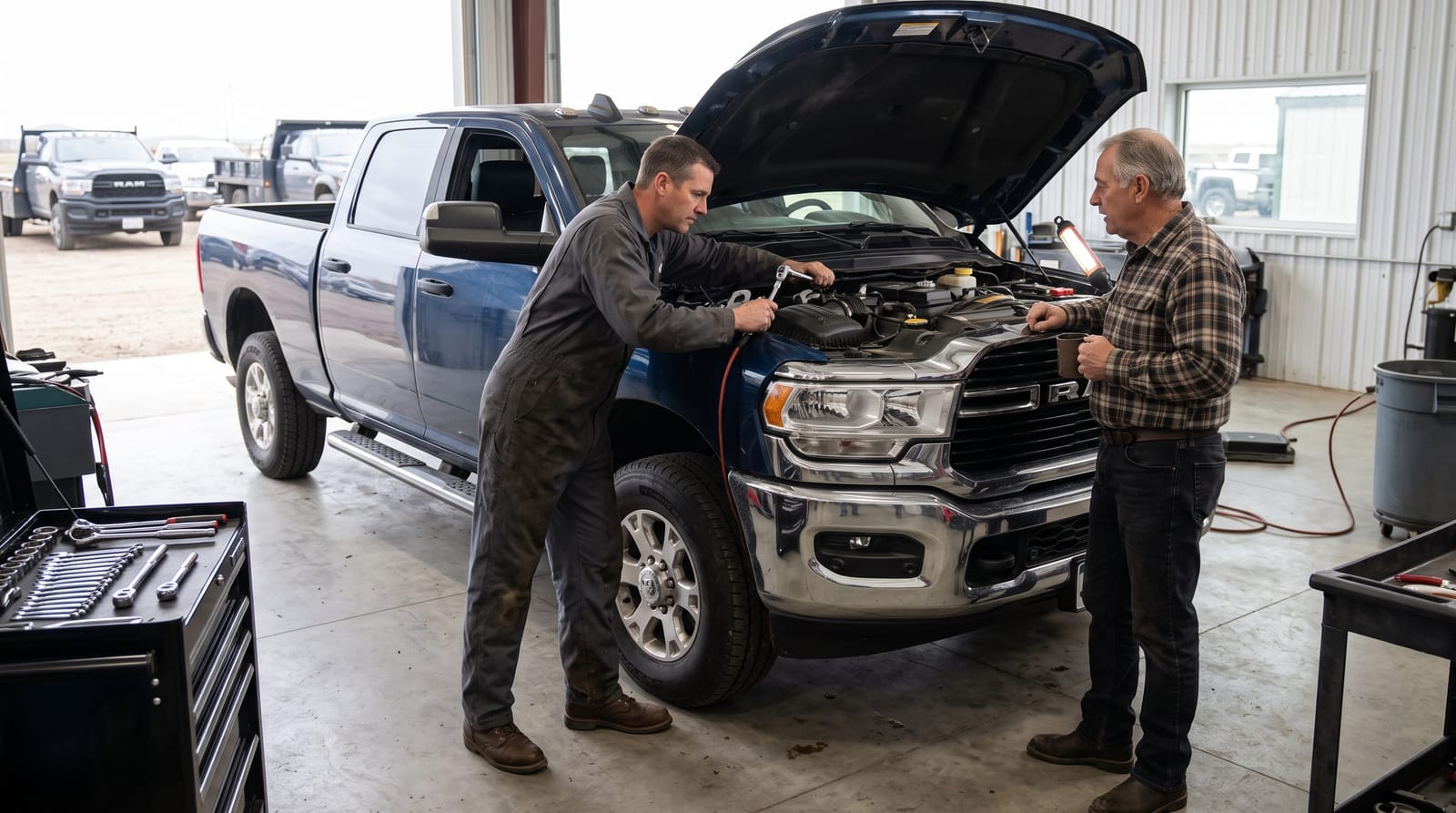
If you run a Ram pickup with a Cummins engine anywhere in Weld County, whether you're hauling equipment across the flats north of Fort Lupton, pulling a gooseneck through Greeley, or grinding out long days on a job site near Kersey, your truck isn't a luxury. It's a livelihood. The 5.9L and 6.7L Cummins inline-six has earned its legendary reputation through decades of hard use, but even the toughest diesel has its weak points. Understanding those failure patterns, catching the warning signs early, and knowing where to get qualified repairs can mean the difference between a minor service visit and a catastrophic breakdown at the worst possible time. This guide: part of our broader resource on diesel engine repair in Fort Lupton, CO: breaks down the most common Cummins problems, how they're diagnosed, and how Colorado Transmission & Diesel Specialists (CTDS) keeps Weld County's working trucks on the road.
Why Cummins Diesel Trucks Take a Different Kind of Punishment in Weld County
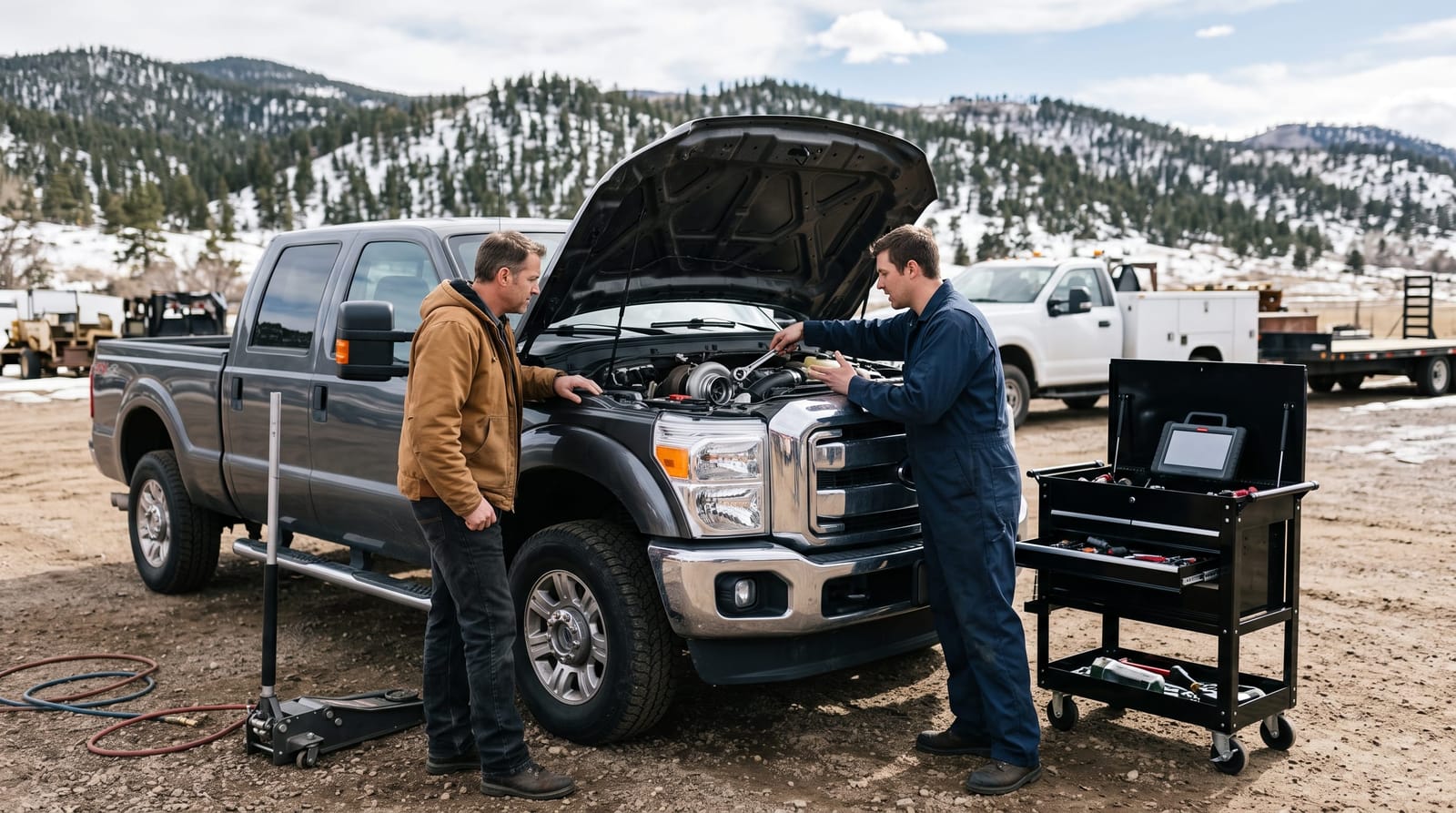
Weld County is one of the most diesel-intensive counties in Colorado. Agriculture, oil and gas, construction, and long-haul ranching operations create a unique set of demands that push trucks harder than most manufacturers ever anticipated. Cummins-powered Rams are a dominant presence here for good reason: they're built to work. But that same hard use accelerates wear on specific systems, and the region's operating conditions add extra stress on top of that.
Dust and particulate contamination from unpaved roads and field conditions wear on fuel system components faster than highway driving alone would. Extended towing loads put sustained heat into the exhaust and aftertreatment systems. Cold Colorado winters thicken fuel and put strain on lift pumps and fuel filters at startup. And high-altitude operation, even at Weld County's relatively modest elevation, means turbos and fuel systems work harder to maintain power.
The result is a predictable set of failure modes that any experienced Cummins technician recognizes. The good news is that most of these problems announce themselves before they become total failures, if you know what to listen and look for.
Injector Failure: The Silent Killer of Cummins Fuel Economy and Power
Cummins common-rail injectors are precision instruments. They operate under extreme pressure, often exceeding 26,000 PSI in a 6.7L system, and fire multiple times per combustion event. That precision is what makes them efficient. It's also what makes them sensitive to fuel quality, contamination, and wear over time.
Symptoms of Failing Cummins Injectors
- Rough idle or misfiring, especially when cold
- White or black smoke under load
- Noticeable loss of power or sluggish throttle response
- Fuel in the oil (a serious indicator of internal injector leak-off)
- Increased fuel consumption with no change in driving habits
- Hard starting or extended crank times
How CTDS Diagnoses Injector Problems
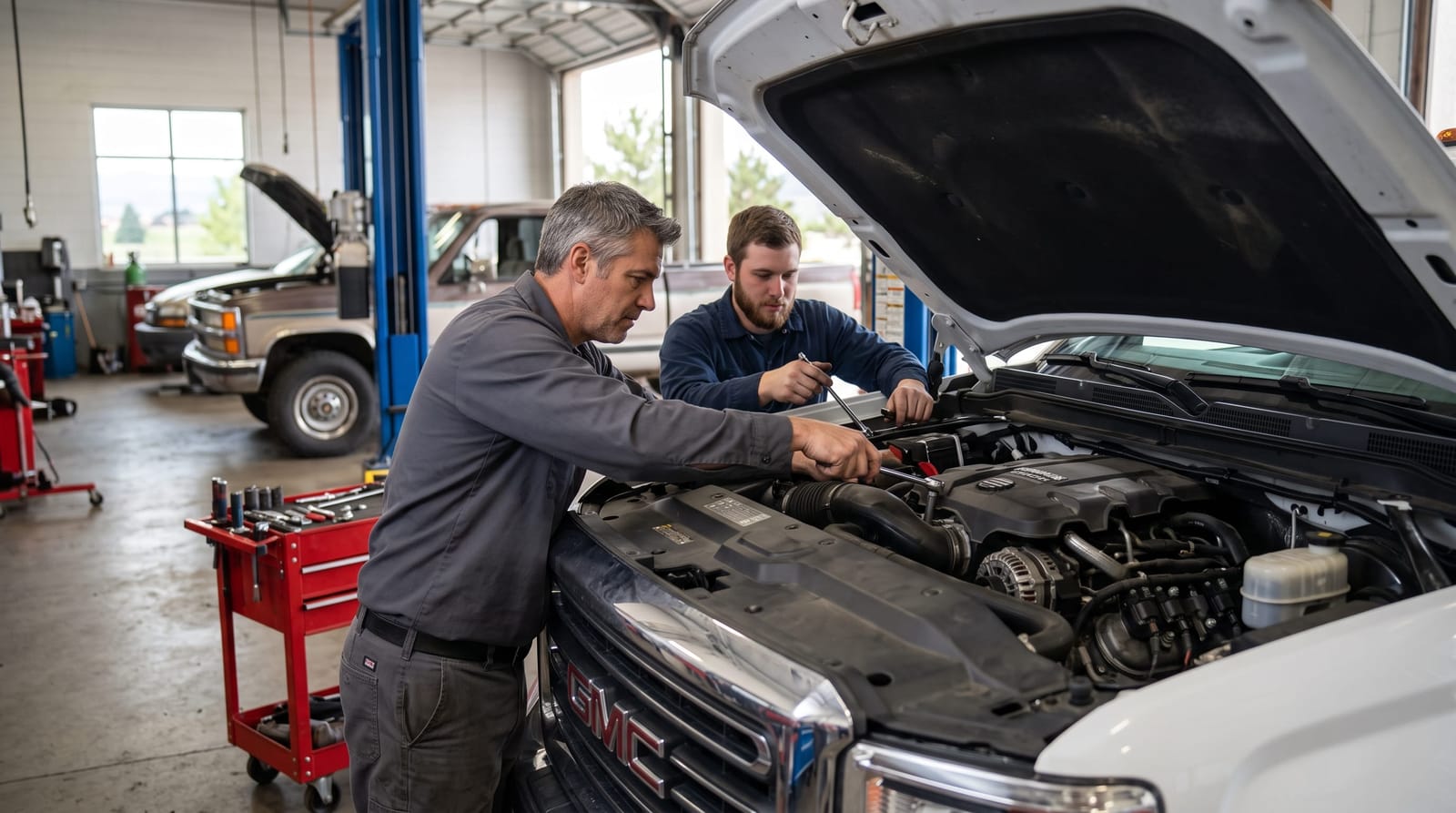
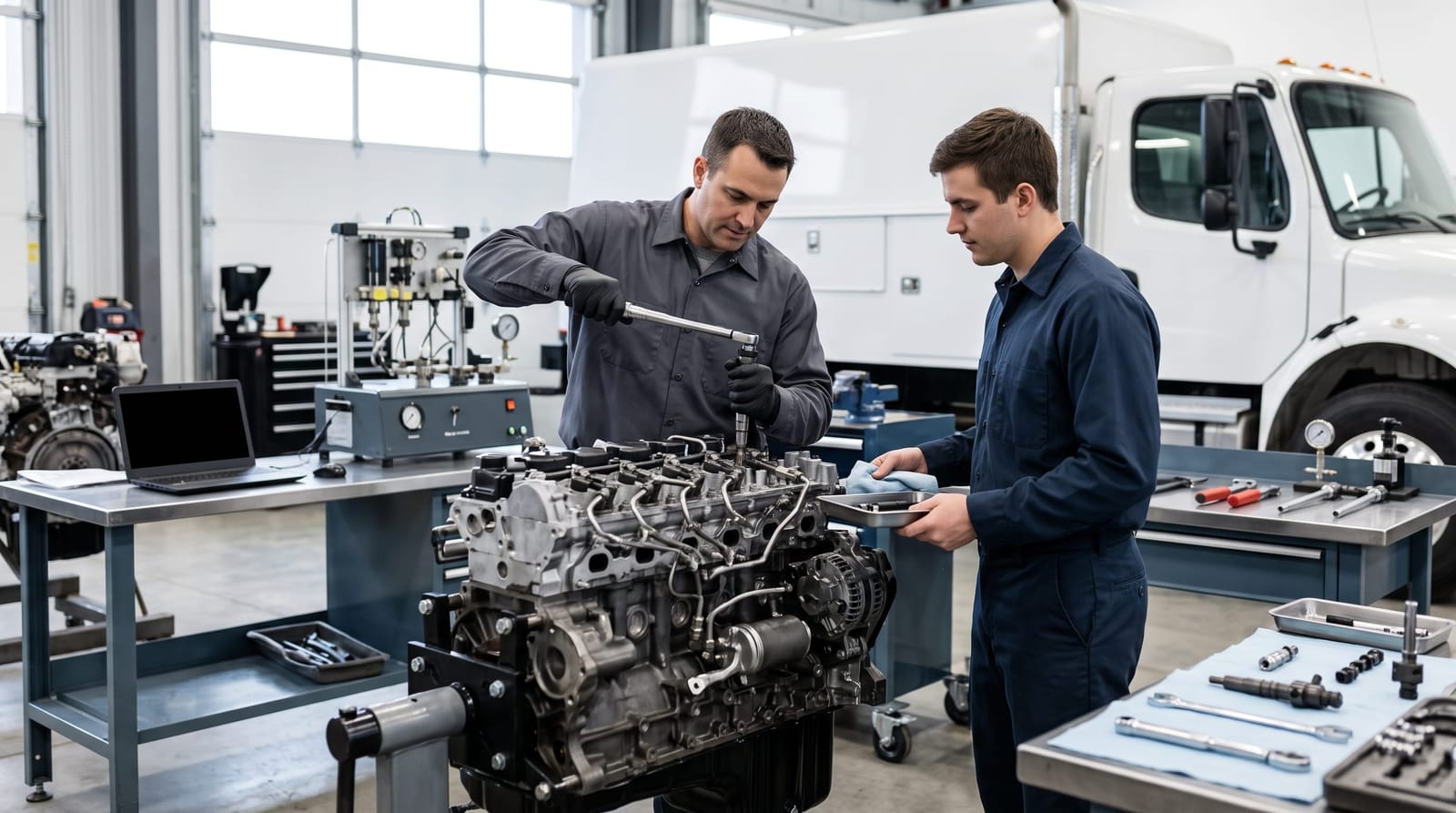
Diagnosing a bad injector isn't guesswork. At CTDS, technicians perform cylinder contribution tests that isolate each injector's output, along with return flow (leak-off) testing that reveals internal wear patterns. Injector codes from the ECM point toward specific cylinders, but experienced diesel techs know that a code is a starting point, not a conclusion: a single root cause like contaminated fuel or a failing high-pressure pump can take out multiple injectors over time. That's why CTDS looks at the entire fuel delivery picture rather than just swapping parts.
Depending on the severity and the mileage of your truck, the repair path might involve remanufactured injectors, a full set replacement, or addressing an upstream cause (like a failing CP3 or CP4 pump) before new injectors go back in. Installing fresh injectors into a system with degraded fuel delivery is a fast way to repeat the same failure.
CP3 and CP4 High-Pressure Fuel Pump Failures: What Every Cummins Owner Needs to Know
This is one of the most important topics for any Cummins owner: particularly those running a 2019 or newer Ram 2500/3500 with the updated 6.7L engine, which transitioned to the CP4.2 high-pressure fuel pump. The CP4 has a known susceptibility to catastrophic failure that can send metal debris through the entire fuel system, destroying injectors, the fuel rails, and any other component the contaminated fuel touches.
CP3 vs. CP4: Understanding the Difference
The older Bosch CP3 pump, used in earlier Cummins applications, has a strong reputation for durability. It uses roller bearings and tolerates slight fuel lubricity variations better. The CP4.2, while more efficient and capable of generating higher pressures, relies on the fuel itself for lubrication between its cam lobes and followers, which means low-lubricity fuel or any contaminant speeds up wear dramatically. When a CP4 fails catastrophically, it doesn't just stop working. It disintegrates, sending metal particles downstream.
Warning Signs and Prevention
- Sudden loss of power with no warning codes (catastrophic failure)
- Hard starting or extended cranking before sudden failure
- Rough running that progresses rapidly
- Fuel pressure codes or low rail pressure warnings
CTDS technicians are familiar with both pump platforms and the inspection procedures required after a CP4 failure event. If a CP4 has failed catastrophically, a thorough fuel system flush, injector replacement, and often a full system inspection are necessary before returning the truck to service. Many Cummins owners in Weld County also ask about CP4-to-CP3 conversion kits as a preventive measure: a conversation worth having with a diesel specialist who understands the tradeoffs for your specific application and use case.
EGR and DPF Problems: When Emissions Systems Fight Against You
Modern 6.7L Cummins trucks: particularly 2007.5 and newer: are equipped with Exhaust Gas Recirculation (EGR) systems and, from 2007 onward, Diesel Particulate Filters (DPF). These systems are critical for meeting emissions requirements, but they're also among the most common sources of drivability complaints and repair costs for hard-working diesel trucks.
EGR System Failures
The EGR system routes a portion of exhaust gas back into the intake to reduce combustion temperatures and NOx emissions. Over time, especially in trucks that spend a lot of time at low loads or idle, the EGR cooler becomes clogged with carbon and soot. A failed EGR cooler can allow coolant to mix with exhaust gases, resulting in white smoke, coolant loss, and potential for serious engine damage. EGR valves also stick open or closed, causing rough idle, poor fuel economy, and codes.
CTDS approaches EGR diagnosis systematically: checking for coolant consumption, performing boost leak tests, inspecting the cooler and valve separately, and using scan data to evaluate EGR flow rates. Simply cleaning a clogged EGR system may provide temporary relief, but if the underlying conditions (excessive idling, short trip cycles, oil consumption) haven't changed, the problem will return.
DPF Regeneration and Failure
The DPF traps soot from the exhaust and periodically burns it off through a process called regeneration. When a truck spends most of its time at low speeds or short hauls, common for construction and agricultural trucks, the DPF can't complete a full regen cycle, leading to clogging. Symptoms include a lit regeneration warning, reduced power mode, and eventually a no-start condition if left unaddressed. CTDS can perform forced regenerations, professional DPF cleaning, and diagnose the upstream causes (like excessive oil burning or injector issues) that accelerate DPF loading.
Lift Pump Failure: The Overlooked Component That Protects Your Entire Fuel System
The lift pump (also called the fuel transfer pump) is responsible for pulling fuel from the tank and delivering it to the high-pressure pump at the correct pressure and flow rate. On Cummins engines, the lift pump is a critical protective component, if it can't deliver adequate fuel volume and pressure, the high-pressure pump has to work harder, which accelerates wear and can lead to the catastrophic failures described above.
Why Lift Pumps Fail in Weld County Trucks
Hard-working trucks that operate in dusty conditions, run at high loads for extended periods, or occasionally run lower fuel levels in the tank are harder on lift pumps. Contaminated fuel accelerates wear on the pump's internal components. Age and mileage are also factors: lift pumps in the 100,000-150,000 mile range are worth inspecting proactively, particularly on trucks used for heavy towing.
Symptoms of a Weak or Failing Lift Pump
- Low fuel pressure codes (typically below 5-8 PSI at the CP3 inlet)
- Hard starting, especially in cold weather
- Rough running under heavy load
- Unexplained high-pressure pump wear or failure
- Cavitation noise from the fuel system
CTDS checks lift pump output pressure and flow volume as part of any comprehensive fuel system evaluation. Catching a marginal lift pump before it fails completely is one of the most cost-effective preventive maintenance steps a Cummins owner can take: far less expensive than replacing downstream components that suffer the consequences.
The CTDS Approach to Cummins Diagnosis: Why Experience in the Platform Matters
Cummins diesel repair isn't generic engine work. The 5.9L and 6.7L platforms have their own engineering characteristics, known failure patterns, and diagnostic procedures that reward specialized experience. At Colorado Transmission & Diesel Specialists in Fort Lupton, Cummins-powered trucks are a core part of the workload, which means the technicians working on your Ram have seen these failure patterns repeatedly, not occasionally.
That platform familiarity matters for several reasons. First, it speeds up diagnosis: experienced Cummins techs can often identify the likely root cause from the symptom description and a quick scan before investing hours in exploratory testing. Second, it prevents misdiagnosis and unnecessary parts replacement. Third, it means the shop stocks or has ready access to the specific components these trucks need: OEM-quality injectors, Bosch fuel system components, and proper gaskets and seals for Cummins applications.
CTDS also works on Ford Powerstroke repair in the Brighton, CO area and other diesel platforms, which gives technicians a comparative perspective that's valuable when diagnosing cross-platform issues like turbo problems and aftertreatment failures. For Weld County owners who run mixed fleets: a Ram Cummins alongside a Super Duty: having one shop that knows both platforms well is a significant practical advantage.
Going Deeper: Related Topics for Cummins Owners
This guide covers the major failure points, but there's more to keeping a high-mileage Cummins running strong. If your Ram is approaching or past the 200,000-mile mark, our detailed resource on high mileage diesel truck maintenance in Colorado covers the inspection intervals, fluid specifications, and proactive service items that help these engines go 300,000 miles and beyond. Cummins engines are well-documented to reach those numbers when properly maintained, but the maintenance approach has to evolve as the miles accumulate.
Additional detailed topics that Cummins owners frequently ask about include turbocharger service and rebuild options for the VGT turbo on 6.7L engines, coolant system maintenance to prevent cavitation damage to cylinder liners (a known issue on the 5.9L Cummins), and fuel system upgrades for trucks used for competitive towing or performance applications. These topics will be covered in detail within this cluster as it grows.
Keep Your Cummins Ready for Whatever Weld County Demands
A Ram Cummins is built to handle the hard work that defines life in Weld County, but it's not maintenance-free, and it's not immune to the failure patterns that come with high mileage and heavy use. Injector wear, fuel pump issues, EGR and DPF problems, and lift pump failures are all manageable when caught early and repaired correctly. The key is working with a shop that knows these engines at a platform level, not just as generic diesels.
Colorado Transmission & Diesel Specialists in Fort Lupton serves Weld County diesel owners with the specialized experience your Cummins deserves. Whether you're chasing a drivability problem, dealing with a warning light, or planning a preventive service before a heavy towing season, contact CTDS to schedule a diagnostic appointment and keep your workhorse running strong.