Signs Your Work Truck Needs Immediate Attention Before It Leaves You Stranded
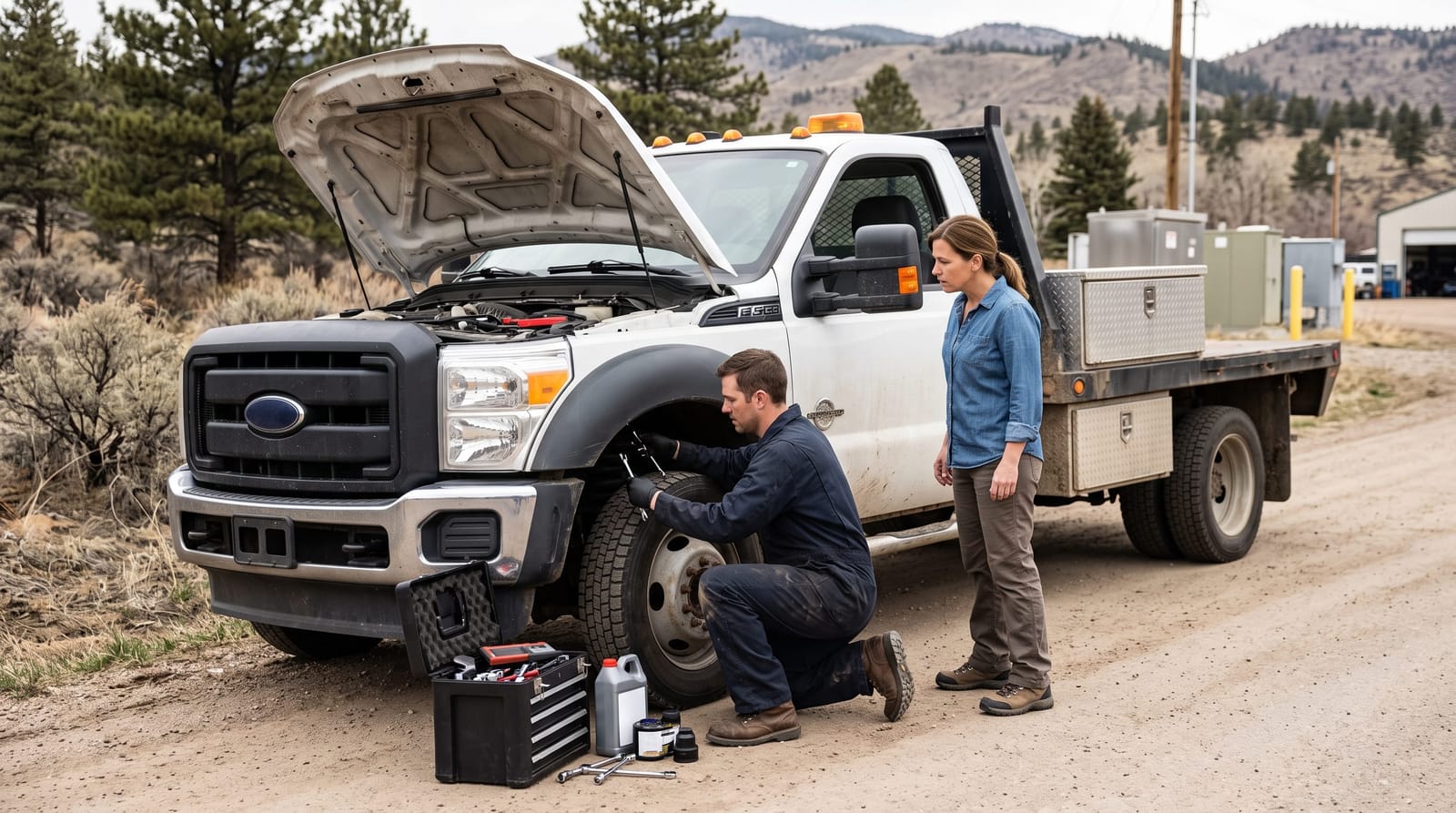
Knowing the work truck repair warning signs Colorado operators need to watch for can mean the difference between a quick shop visit and an expensive roadside breakdown. Whether you're hauling equipment across Weld County or running a crew to a job site in Fort Lupton, your commercial vehicle doesn't get a sick day, but it does send signals when something is wrong. This guide walks you through the most critical red flags that demand immediate attention, so you can make a smart call before a minor issue becomes a catastrophic failure.
1. Unusual Engine Noises You Should Never Ignore
Your truck's engine communicates through sound. When those sounds change, pay attention. Most experienced operators develop an ear for how their rig sounds under normal conditions, and that intuition is worth trusting.
Knocking or Rod Knock
A deep, rhythmic knocking sound from the engine, especially under load, often indicates worn bearings or low oil pressure. This is a serious mechanical warning. Running the engine further risks catastrophic internal damage that can total an engine block. If you hear knocking, pull over when it's safe and get the vehicle inspected before driving it again.
Hissing, Squealing, or Rattling
A hissing sound can point to a coolant or vacuum leak. Squealing on startup may indicate a failing belt or tensioner. Rattling at idle often means loose heat shields or exhaust components. Any of these on a work truck operating under heavy load in Colorado's variable climate, from cold Weld County mornings to summer heat, can escalate quickly.
Diesel-Specific Clatter
Diesels are naturally louder than gas engines, but excessive clatter, especially when cold starting, can signal injector problems or low compression. If the clatter doesn't fade within a minute of warmup, schedule a diagnostic immediately.
2. Dashboard Warning Lights That Mean Business
Modern commercial vehicles have sophisticated onboard diagnostics, and those warning lights aren't suggestions: they're data. Blue-collar operators often get used to a persistent light and start ignoring it. That habit is expensive.
- Check Engine Light: On a commercial vehicle, this can range from a loose gas cap to a failing emissions system or sensor. Don't assume it's minor. Get it scanned.
- Oil Pressure Warning: If this light comes on while driving, treat it as an emergency. Pull over safely and do not restart until you've checked your oil level and had the system inspected.
- Transmission Temperature: An overheating transmission under towing or hauling loads is a sign of fluid breakdown or a failing cooler. This warning left unaddressed leads to full transmission failure.
- ABS or Brake Warning Light: On a loaded work truck, brake system faults are not optional repairs. Colorado's commercial vehicle inspection standards flag brake violations as critical defects that can take a vehicle out of service immediately.
- Battery or Charging System: A failing alternator on a work truck with multiple accessories (upfits, liftgates, tool power) will strand you far from the shop.
The rule of thumb: any warning light on a commercial vehicle warrants a professional scan within 24 hours unless it's accompanied by driveability issues, in which case, stop driving it.
3. Braking Changes That Signal Real Danger
For a work truck, often loaded to gross vehicle weight rating (GVWR) and operating on Colorado highways, brake performance is not negotiable. Changes in braking behavior are among the most critical work truck repair warning signs Colorado fleet owners encounter, and they deserve zero procrastination.
Pulling to One Side
If your truck pulls left or right when you apply the brakes, it typically indicates uneven pad wear, a stuck caliper, or brake line issues. On a loaded truck, this can make emergency stops unpredictable and dangerous.
Grinding or Squealing
Squealing often means worn brake pad material is contacting the rotor. Grinding means the pads are gone and metal is contacting metal: rotor damage is happening in real time. Either sound requires immediate service.
Soft or Spongy Pedal
A brake pedal that travels further than usual or feels mushy can indicate air in the brake lines or brake fluid contamination. On hydraulic brake systems, this is a safety-critical failure point.
Vibration Under Braking
Warped rotors cause a pulsating sensation through the pedal and steering wheel when slowing down. Under the heat cycles of commercial use, especially on mountain grades or during heavy towing, rotors warp faster than on passenger vehicles.
4. Fluid Leaks and What They're Telling You
A clean parking spot is one of your best diagnostic tools. Get in the habit of glancing under your truck before you pull out each morning. Fluid on the ground is your truck talking.
- Dark brown or black oily puddle: Engine oil leak. Check the oil level immediately and locate the source: valve cover gaskets, oil pan gaskets, and rear main seals are common culprits on high-mileage work trucks.
- Red or pink fluid: Transmission fluid or power steering fluid. Both require prompt attention to prevent gear damage or loss of steering assist.
- Bright green, orange, or yellow fluid: Coolant. A coolant leak left unaddressed leads to overheating, and overheating a diesel or gas commercial engine can warp heads and cause thousands of dollars in damage.
- Clear, thin fluid near wheels: Brake fluid. This is an emergency: do not drive the vehicle until inspected.
- Oily film near the exhaust or turbo: Can indicate an oil leak onto a hot surface: a fire hazard that warrants immediate inspection.
5. Power Loss, Hard Starting, and Driveability Issues
A work truck that hesitates, surges, struggles to start, or loses power under load is telling you the drivetrain or fuel system needs attention. These symptoms are easy to dismiss as "just the way it is", especially on an older fleet vehicle, but they typically get progressively worse and lead to road failures.
Common causes include clogged fuel filters (especially on diesels running in dusty Weld County conditions), failing fuel injectors, dirty air filters, failing glow plugs on diesel engines, or transmission slipping under load. Hard starting in cold Colorado mornings combined with white smoke on startup can point to compression issues or glow plug failure on a diesel.
Power loss under load is particularly dangerous when hauling or towing, if your truck can't maintain speed on an on-ramp or struggles going uphill, it creates a road hazard for other drivers and signals the engine or drivetrain is working outside its design capacity. Get a full diagnostic before the next haul.
Frequently Asked Questions
How often should I inspect my work truck for warning signs?
A quick visual walk-around should happen every morning before your first trip: check for fluid puddles, tire condition, and obvious damage. A more thorough inspection including fluid levels, belts, hoses, and lights should happen weekly for vehicles in daily commercial use. Formal preventive maintenance inspections are best scheduled on a mileage or time interval that matches your operation's intensity. A qualified commercial vehicle technician can help you build an inspection schedule tailored to your fleet.
Can I drive my work truck with the check engine light on?
It depends on what triggered it, and the only way to know is a diagnostic scan. A steady check engine light with no driveability issues may allow for limited operation until you can get it scanned, but a flashing or blinking check engine light typically indicates an active misfire that can damage the catalytic converter or other components. When in doubt, have it scanned before your next trip. For commercial vehicles subject to inspection, unresolved fault codes can create compliance complications.
What happens if my commercial vehicle fails a Colorado roadside inspection?
Commercial vehicles in Colorado are subject to roadside inspections and DOT compliance checks. If a vehicle has critical safety defects, such as brake violations, steering issues, or tire failures, it can be placed out of service (OOS), meaning it cannot be operated until those defects are corrected and documented. This stops your operation cold. Staying ahead of the warning signs covered in this article is one of the best ways to avoid an OOS order. Consult with a licensed compliance professional for guidance specific to your operation.
Is it worth repairing an older high-mileage work truck or should I replace it?
This is a business decision that depends on the repair cost relative to the truck's remaining service life, your current cash flow, and how critical the vehicle is to daily operations. A trusted commercial vehicle technician can give you a realistic picture of the vehicle's mechanical condition and likely upcoming needs. That diagnostic assessment is usually the starting point for making a sound repair-vs-replace decision. For financial guidance on capital expenditures like fleet vehicles, consult a qualified business advisor or accountant.
Don't Wait for a Breakdown to Take Action
The work truck repair warning signs Colorado operators face, unusual noises, warning lights, braking changes, fluid leaks, and power loss, rarely appear out of nowhere. They build up over time and get ignored until the truck is sitting on the side of Highway 85 at 6 a.m. The good news is that catching these signs early almost always means a faster repair, a lower repair bill, and no lost workday. If your truck is showing any of these symptoms, the team at CTDS in Fort Lupton specializes in commercial vehicle diagnostics and fleet maintenance for Weld County businesses. Don't let a warning sign become a breakdown.